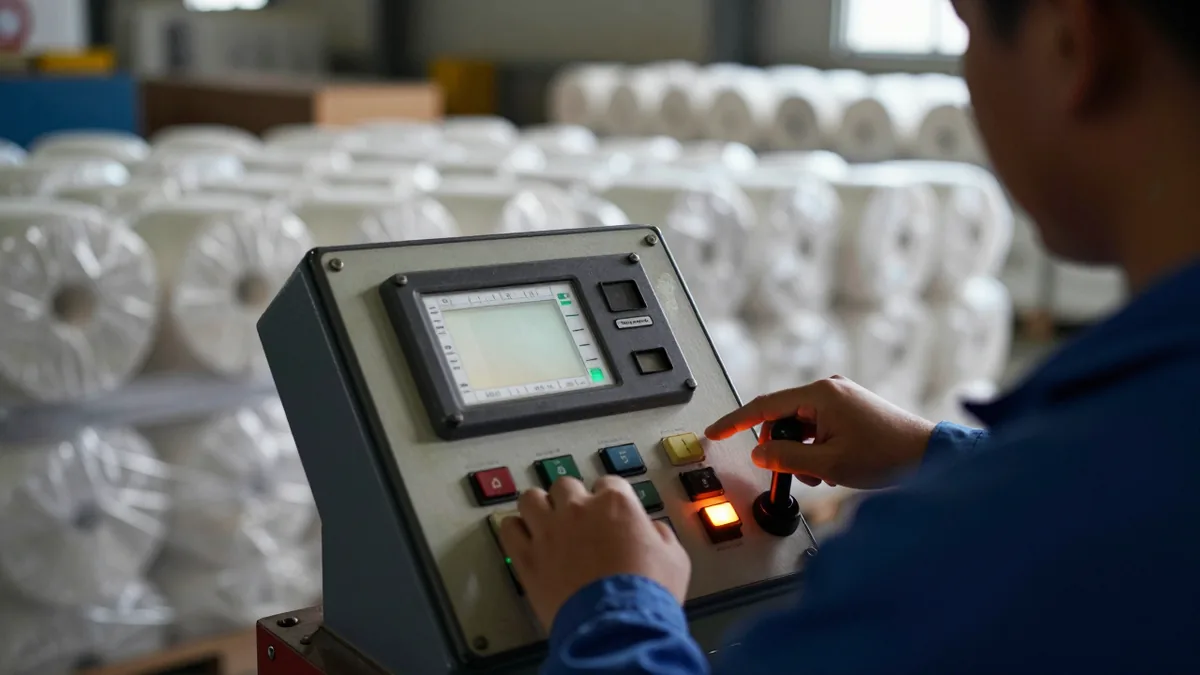
China's Rise to Global Oil Supremacy
China's growing influence in the global oil market has led to a shift in power dynamics, with the Chinese Communist Party now calling the shots in the industry.
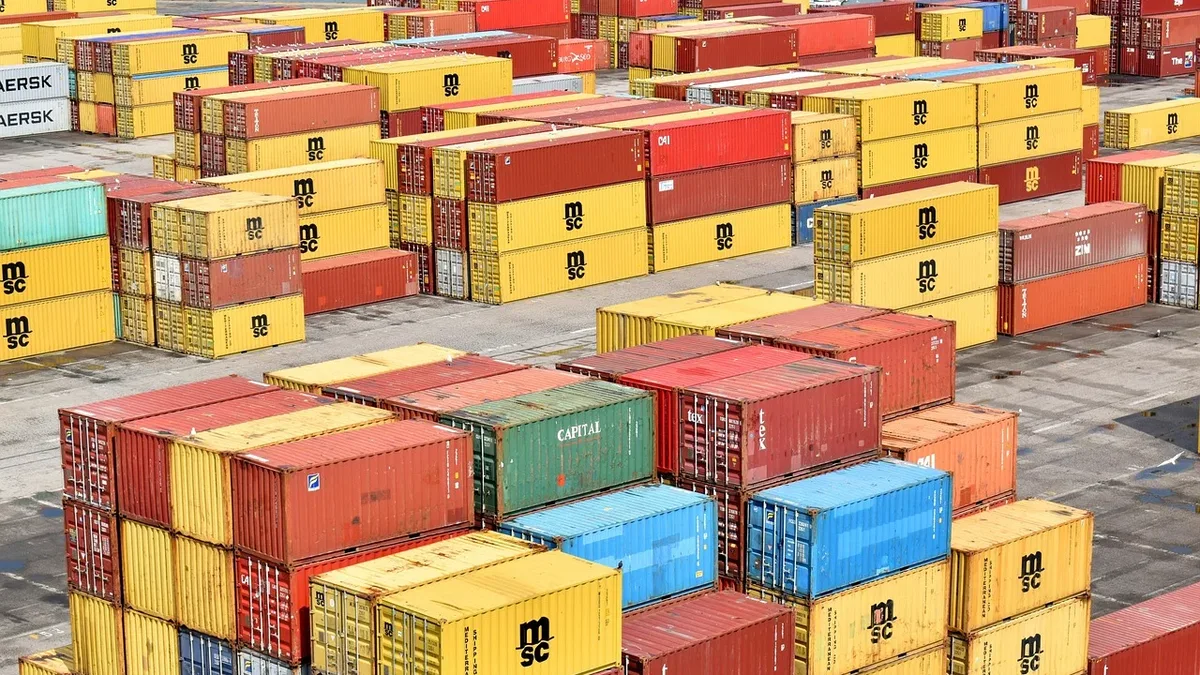
### China's Oil Power Surge China has emerged as the world's leading oil power, surpassing the influence of traditional oil-producing nations. This shift in power dynamics has significant implications for the global oil market, with the Chinese Communist Party now exerting control over the industry. The recent Iran war has caused a massive supply shock in the petroleum market, but oil prices never reached the predicted $150 a barrel. This was largely due to the efforts of several governments, including those of Abu Dhabi, Riyadh, Washington, and Tokyo, which collectively released a record 5 million barrels per day (b/d) of oil onto the market. Additionally, state-led rationing in poorer countries reduced demand, preventing a catastrophic price surge. ### The Rise of China's Oil Influence China's growing influence in the oil market can be attributed to its strategic investments in oil-producing countries and its ability to bypass traditional trade routes. The Chinese Communist Party has been actively involved in the oil industry, directing the flow of oil and influencing global prices. This has led to a shift in power dynamics, with China now playing a dominant role in the global oil market. The impact of China's rise to oil supremacy is far-reaching, with significant implications for the global economy. As the world's largest oil consumer, China's influence in the oil market will continue to shape global energy policies and prices. The shift in power dynamics also raises questions about the future of traditional oil-producing nations, such as OPEC, and their ability to maintain their influence in the industry. ### Implications for the Global Oil Market China's growing influence in the oil market has significant implications for the global economy. As the world's largest oil consumer, China's influence will continue to shape global energy policies and prices. The shift in power dynamics also raises questions about the future of traditional oil-producing nations and their ability to maintain their influence in the industry. The rise of China's oil power also highlights the need for a more diversified global energy market. As China continues to exert its influence in the oil market, other nations will need to adapt and find new ways to compete. This may involve investing in alternative energy sources, such as renewable energy, or developing new trade routes to bypass traditional oil-producing nations. In conclusion, China's rise to global oil supremacy is a significant development with far-reaching implications for the global economy. As the world's largest oil consumer, China's influence will continue to shape global energy policies and prices, and the shift in power dynamics raises questions about the future of traditional oil-producing nations.