
Institutions & debt
Indonesia's new finance minister must
President Prabowo Subianto appoints technocrat Suahasil Nazara as finance minister, aiming to stabilize markets after a year of policy uncertainty
Institutions & debt on Trade and Tide: IMF programmes and conditionality, World Bank and development finance, Sovereign debt distress and restructuring, Paris Club and the Common Framework, Credit ratings and sovereign risk and Regional development banks.
President Prabowo Subianto appoints technocrat Suahasil Nazara as finance minister, aiming to stabilize markets after a year of policy uncertainty
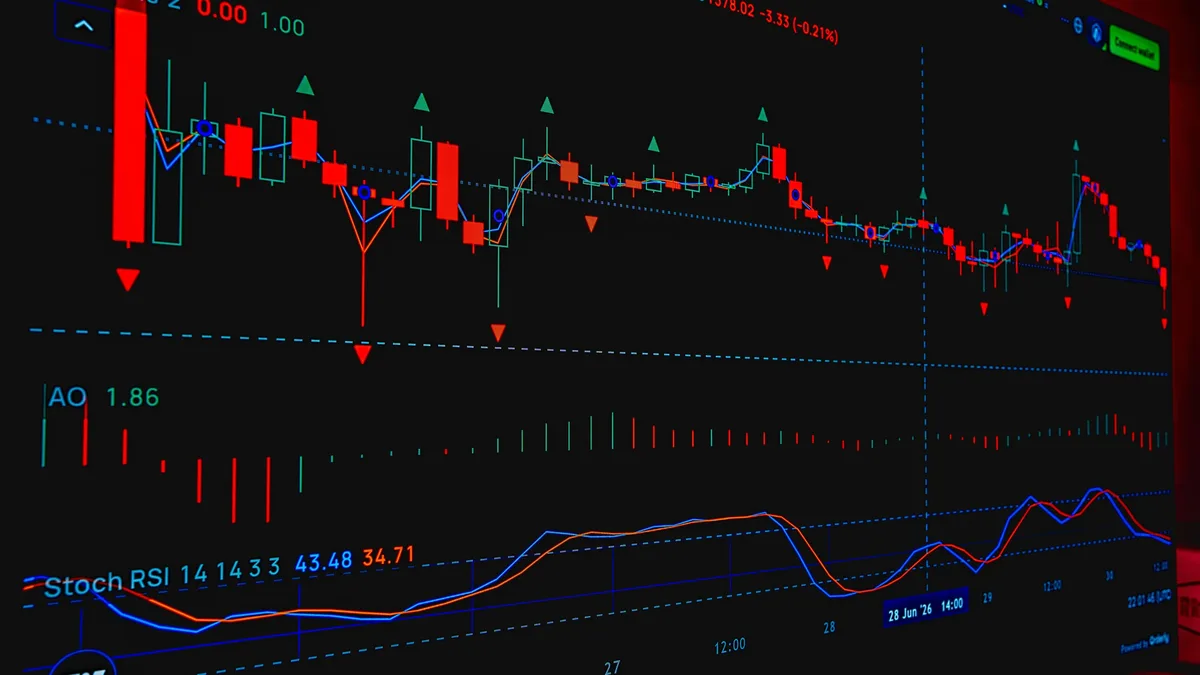
Rising government bond yields, driven by inflation, corporate demand, and high public debt, are squeezing investors and threatening broader economic

Brent crude oil surged past $100 a barrel, raising inflation concerns ahead of key central bank meetings.

The U.S. Treasury Department announced a $6 billion government debt buyback operation, exceeding its prior plan but falling short of some market

China's Ministry of Finance injected $54 billion into eight state-owned lenders and insurers on September 6th, 2026, but the sum is seen as insufficient
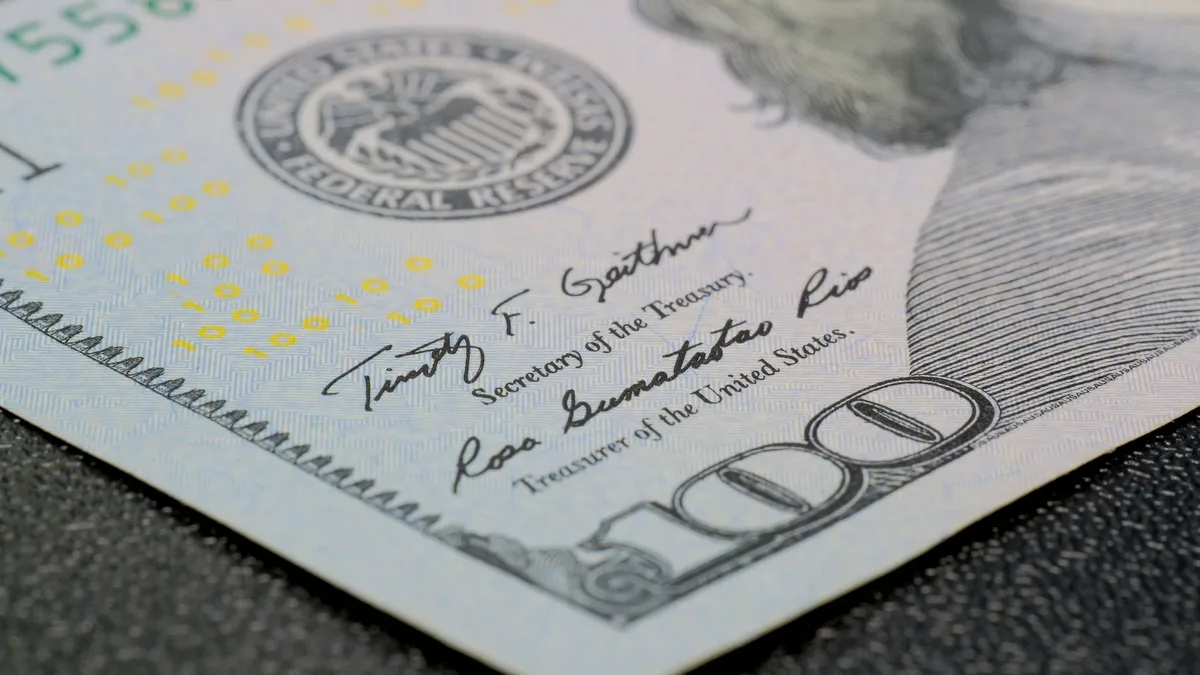
Treasury Secretary Scott Bessent told CNBC the department's accelerated buyback of longer-dated government debt could exceed the announced $4 billion per issue.

The WTO's 2026 Public Forum in Geneva will focus on services as a driver of development and jobs. The three-day event features over 100 sessions on trade.

U.S. Housing starts fell to 1.239 million units in July, below expectations, as higher mortgage rates slowed construction.

Finance ministers from the US, UK, Canada, and several European nations walked out of a G20 meeting in Washington to protest the presence of Russian

The 10-year U.S. Treasury yield could reach 5%, driven by strong U.S. Growth and rising global sovereign bond yields, a MarketWatch analysis says.

Swiss wealth managers are urging a delay to a new central register of company owners following a cyber-attack in Liechtenstein, citing security concerns.

Monetarism is returning to mainstream economic discussions, especially at the Fed, but must update for modern finance to be credible again.

The U.S. Treasury Department announced it will no longer require shell companies to identify owners, while federal debt reached $40 trillion.

Investors have priced in higher inflation as Treasury's liquidity efforts and a doubled debt buyback program raise concerns about policy implications.

Treasury Secretary Scott Bessent's efforts to address liquidity problems in the government debt market have so far been unsuccessful, leaving him with a range of options to deploy.

The U.S. government debt has reached a record high of $40.05 trillion, more than doubling in the past decade.

The 2026 Public Forum, themed 'Powering the Future', will focus on the role of services in global development, income, and job creation.

Daron Acemoglu, a renowned economist, has been praised for his work on institutions and prosperity. However, some question his influence and the value of his research.

A Financial Times poll reveals that most US voters believe their financial situation has worsened during Donald Trump's presidency, reflecting broader economic concerns.

Despite decades of economic reform, China's totalitarian institutions have shown remarkable resilience, surviving and reasserting themselves under President Xi Jinping.

Central banks face the challenge of communicating effectively without revealing too much, much like the Oracle of Delphi. Striking the right balance is crucial to maintain credibility and influence economic behavior.