Fed December Rate Hike Hinges on October Jobs Data
The Federal Reserve is set to raise interest rates in December, with the size of the hike dependent on strong October employment figures and persistent inflation signals.

The Federal Reserve is poised to raise interest rates in December, with the October jobs report and inflation data determining the timing and magnitude of the move. A Fed rate hike on December 9 now looks certain, with members discussing a 50 basis point increase from the current federal funds target range of 3.75% to 4.00%.
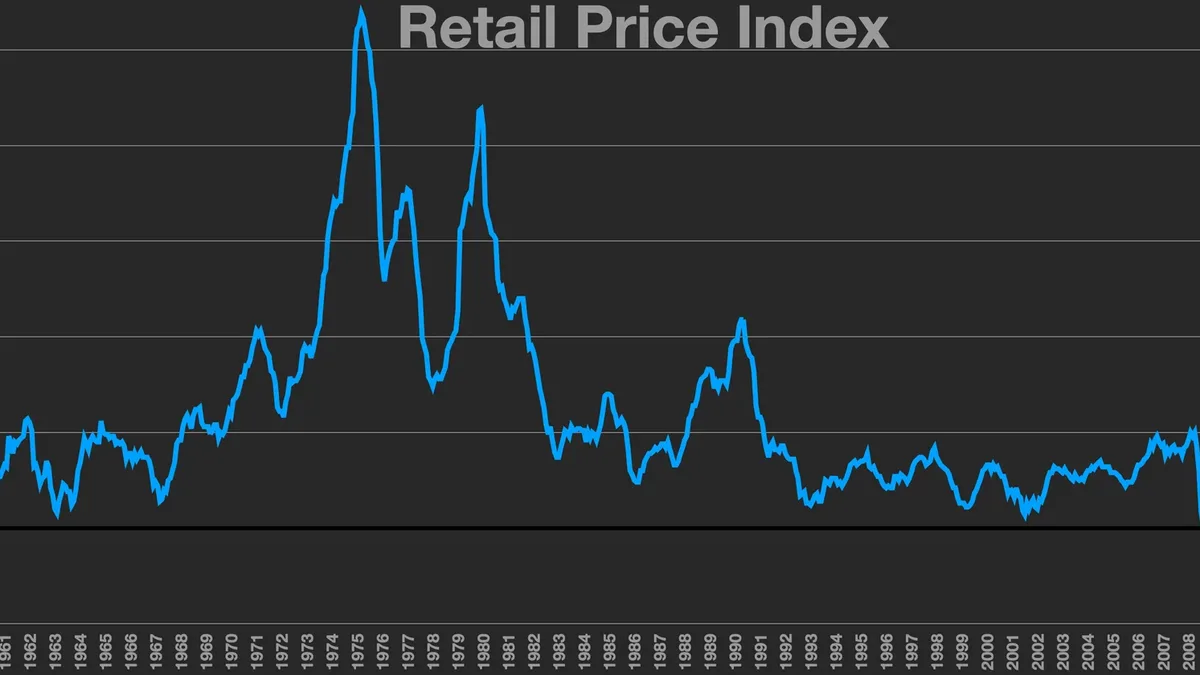
US consumer prices rose 3.7 percent in September, above expectations. Core inflation ran at 3.0 percent in August, clearly below the expected rate. The Producer Price Index rose 6.5% year over year in October, the highest level since November 2022. Core PPI remained above 5%.
Inflation data shows mixed signals
The latest inflation readings present a complex picture for policymakers. While headline consumer price increases have been stubborn, some core measures show moderation. The Producer Price Index data for October indicated some cooling in pipeline pressures.
| Metric | Figure |
|---|---|
| October PPI (Month over Month) | +0.3% |
| October PPI (Year over Year) | +6.5% |
| Core PPI (Year over Year) | +5.0% |
| Core PPI ex-food, energy & trade (Year over Year) | +4.9% |
Fed Governor Lisa Cook and Cleveland Fed President Beth Hammack dissented from the recent decision to hold rates steady, preferring an immediate 25-basis-point increase. The Fed chair acknowledged tighter financial conditions but stopped short of describing them as restrictive enough to slow economic activity. Inflation has remained above the 2% objective for nearly six years.
Market reactions and asset performance
Financial markets are volatile as they digest the potential for further monetary tightening. Equity indices have seen gains, while bond yields have climbed sharply. The risk is whether existing financial tightening eventually begins affecting the economy more severely than current data suggest.
| Index / Asset | Performance |
|---|---|
| Dow Jones Industrial Average | +284 points |
| Nasdaq Composite | +137 points |
| S&P 500 | +48 points |
| Russell 2000 | +18 points |
| WTI Crude Oil | $88 per barrel |
| Brent Crude Oil | $96 per barrel |
| 10-Year Treasury Yield | +5.137% |
| 30-Year Treasury Yield | +5.467% |
| 2-Year Treasury Yield | +4.852% |
Bitcoin has been particularly sensitive, trading at around $74,030 on Monday, below the $75,451 average price at which a major strategy bought its holdings. The cryptocurrency started the week at around $74,800 after briefly dropping to $73,477, its lowest level since August 21.
Economic strength complicates policy
Underlying economic strength is giving the Fed room to continue hiking. US GDP growth for the first half of 2026 has been revised upward to 2.4%, while third-quarter growth estimates are running above 3%. Business investment has expanded at a double-digit pace, productivity remains strong and initial unemployment claims are close to historical lows.
The most important analytical distinction is that the Fed appears increasingly comfortable with stronger growth if productivity is improving alongside it. US payrolls grew by 165,000 in October, more than twice the forecast, a stark reversal from September when the labour market produced just 29,000 jobs. July was revised after the fact to a loss of 10,000.
Investors continue to anticipate another Fed rate hike in December 2026, with a further increase potentially following in early 2027. Interest-rate futures continue to point toward a potential increase in December, followed by another move around March 2027. The October Fed meeting was primarily about preserving policy flexibility while maintaining inflation-fighting credibility.
The decisive factor will be the US jobs report for October, released at 2:30 p.m. German time.