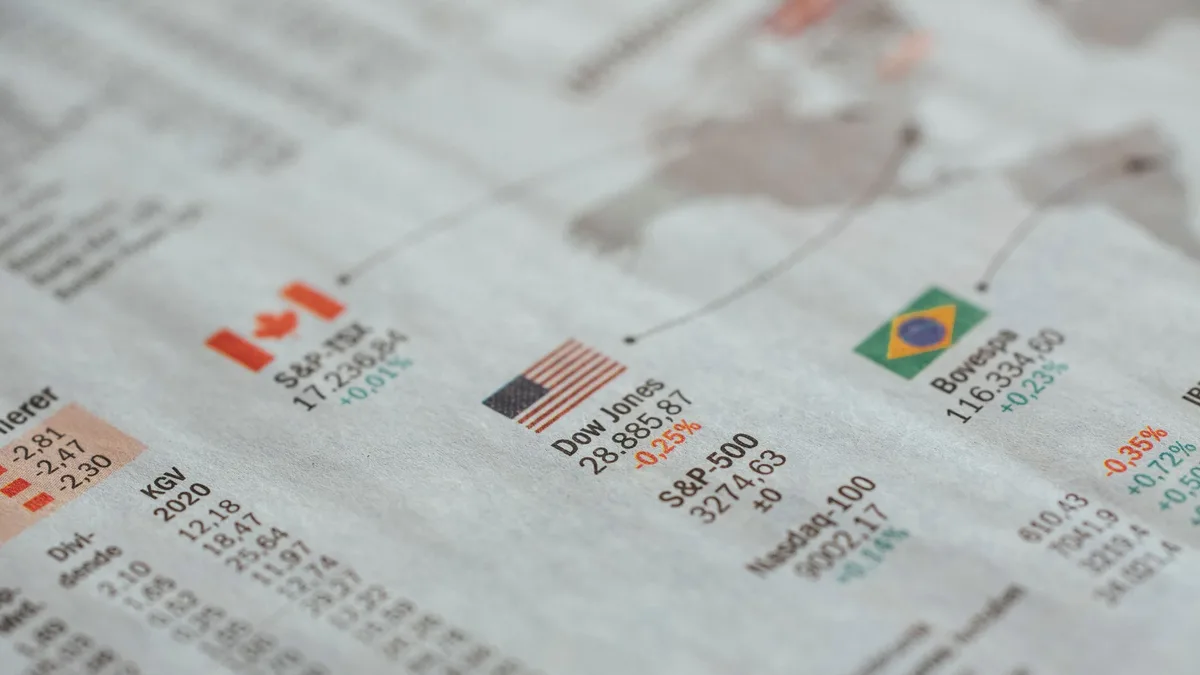
Turkey's fund scandal triggers market turmoil and political fallout
A stock market scandal involving allegedly inflated fund values has triggered a sharp market collapse in Turkey, affecting 455,000 investors and leading to fund liquidations, arrests, and a high-level political resignation.
Turkey's stock market plunged in mid-September 2026 as authorities moved to liquidate troubled investment funds holding illiquid assets. The BIST 100 index plummeted by 6% in a single day and lost about 12% within a few trading days, hit by a liquidity crisis after funds holding relatively illiquid stocks ran into trouble. The Capital Markets Board (SPK) ordered the liquidation of 131 investment funds managed by seven portfolio management companies, putting hundreds of billions of lira in assets at risk.
Scale of investor impact and regulatory response
Approximately 455,000 Turkish investors have been affected by the scandal. The SPK stated that investment funds with about $18 billion in assets put these investors' savings at risk. In response, regulators have frozen the assets of 42 individuals and 46 legal entities. The deadline for fund liquidation has been extended from three to six months. Independent financial advisor Aysel Gundogdu stated the rationale for the delay. "This is intended to reduce selling pressure so that stocks are not sold at fire-sale prices," Gundogdu said.
Political repercussions and accountability demands
The crisis has triggered significant political fallout. Fatma Betul Sayan Kaya, a deputy chair of the ruling Justice and Development Party (AKP) and a former minister, resigned and asked President Erdogan to relieve her of all posts. She faced allegations regarding stock transactions connected to the fund crisis. The investigation has resulted in more than 45 arrests, including executives from major investment and portfolio management companies. A former government minister and deputy chairman of the ruling party also resigned after being accused of making illicit gains through manipulative stock market transactions.
Allegations of inflated valuations and junk stock exposure
Investigators allege fund managers artificially inflated values while holding worthless 'junk stocks'. The crisis involves claims that funds accumulated large positions in thinly traded stocks, driving prices higher to attract new investors. When redemptions were demanded, funds were forced to sell, increasing price pressure and contributing to the market collapse. Funds managed by Pusula Portfoy and Tera were specifically affected by trouble making timely repayments. Two Tera funds alone held assets totaling around €6.5 billion. Gundogdu expects money market funds will largely be redeemed, but hedge and equity funds with 'junk stocks' may face difficulties, with assets unlikely to cover all investor claims.
Calls for transparency and recovery beyond liquidation
Experts stress that winding down funds does not address the core need to identify responsibility and recover losses. Economist Guldem Atabay emphasized distinguishing between normal market losses and damages from irregularities. "Liquidation is no substitute for accountability," Atabay said, calling for responsible parties to be identified and damages recovered from them. The Istanbul Public Prosecutor's Office continues investigating charges of fraud, violations of capital markets law, and formation of a criminal organization.