EU Demands Concrete Trade Results from China by October Deadline
EU Trade Commissioner Maroš Šefčovič is in Beijing for a final push to rebalance a record €1 billion daily trade deficit before an October deadline.

The EU's October deadline for substantive progress in trade negotiations with China has arrived. EU leaders expect concrete results from talks in Beijing ahead of their summit in Brussels next week.
Šefčovič seeks concrete outcomes in Beijing talks
EU Trade Commissioner Maroš Šefčovič is in Beijing for two days of talks with Chinese Commerce Minister Wang Wentao. His task is to secure commitments to rebalance a trading relationship Brussels sees as heavily skewed. At the heart of the discussions is access to the EU market. Šefčovič has warned that failure to deliver tangible results this month would trigger a push among EU leaders for harsher measures. He stated the bloc's members want to see a clear direction. Maroš Šefčovič said: "They [EU27] want to see the direction of travel. They want to even have a concept for the solution of this issue, a pilot scheme."
Hybrid vehicles at centre of EU's proposed import curbs
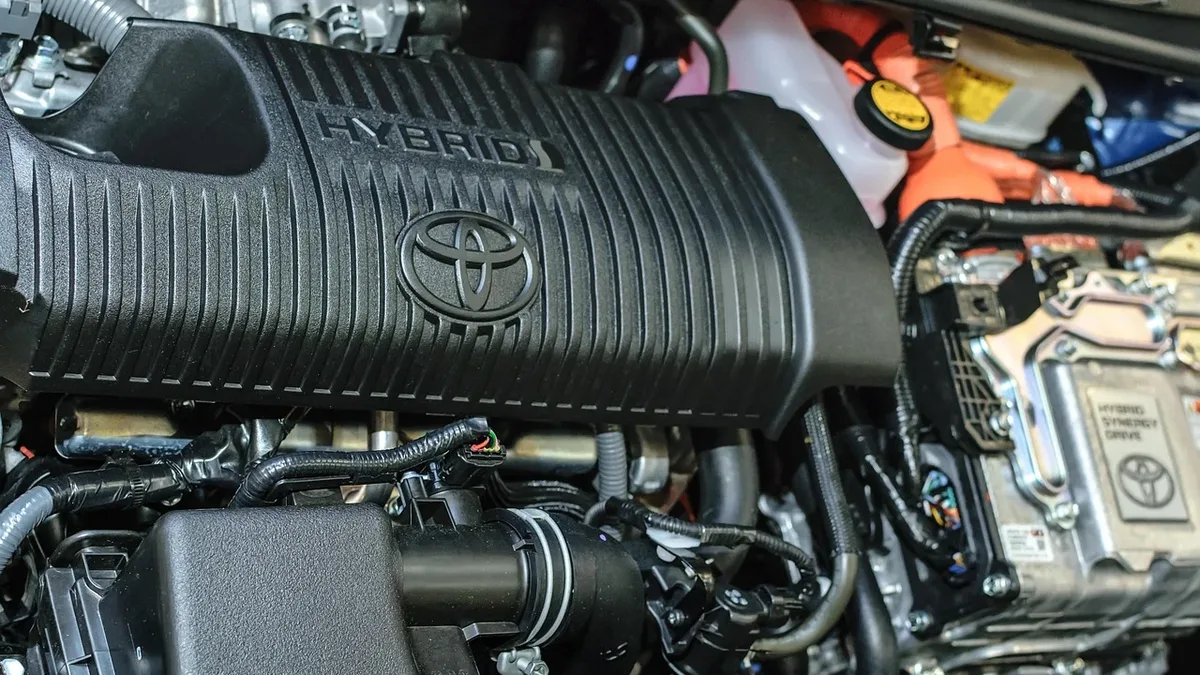
The EU is proposing a time-limited import cap on Chinese hybrid vehicles as a pilot case for potential wider safeguards. Chinese hybrids now account for a significant share of the EU market.
The EU aims to set the cap at a level meant to avoid provoking Chinese retaliation. Chinese-made hybrids currently do not face the same heavy tariffs as electric vehicles. Beijing has pushed for a 'price undertaking' mechanism instead. China has explicitly rejected the concept of 'voluntary export restraints'. A spokesperson for China's Ministry of Commerce said such measures violate WTO rules and principles of fair competition. If implemented, the cap would directly hit the European expansion of Chinese brands like BYD, which has used hybrids to sidestep EV tariff pressures. It would close off their fastest-growing product line in Europe.
Broader trade tensions and retaliation risks loom
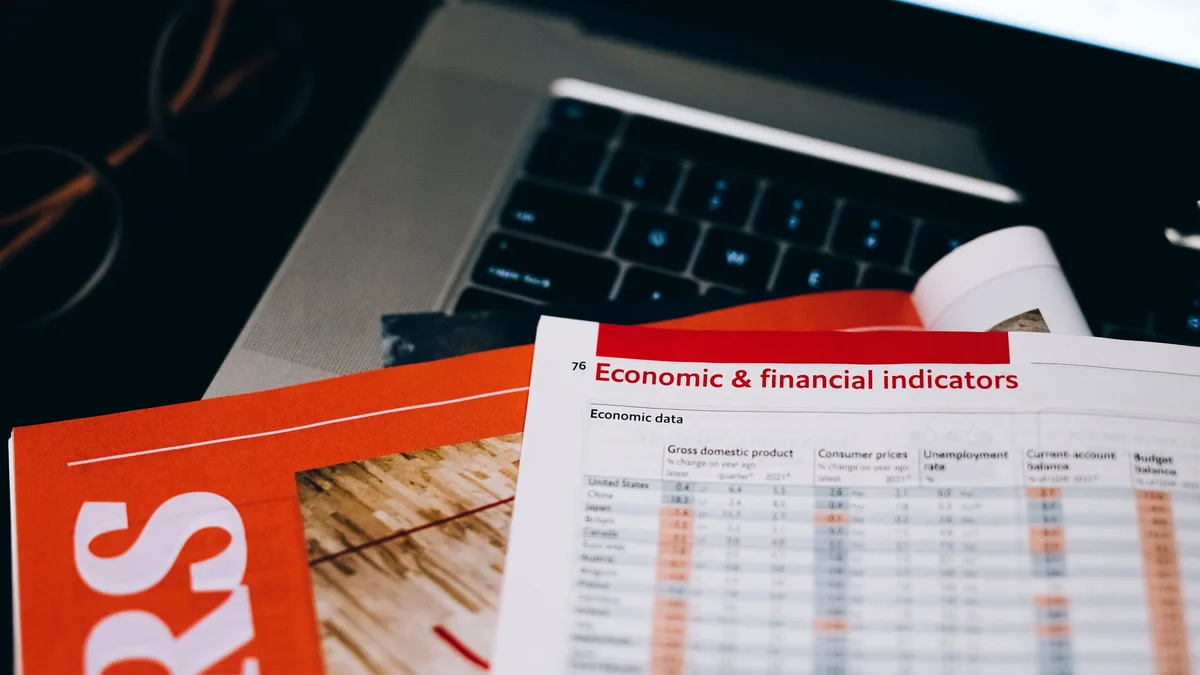
The EU's trade deficit with China reached a record €1.18 billion per day in July, an 18% surge from last year. European officials blame Chinese subsidies, a weakened renminbi, and weak domestic demand in China unleashing excess capacity. Brussels wants product-specific quotas. It has launched several probes and imposed anti-dumping duties. In response, China recently opened an investigation into EU chemicals. German and French leaders have pushed for new tools allowing a swift reaction to economic threats, including a potential immediate cut-off from the EU internal market. The EU seeks a fast-track system for critical raw materials from China and lower barriers for EU goods like brandy, pork, and dairy. If Beijing retaliates, European exporters of luxury goods, agricultural products, and automobiles could be first hit. The EU states it is prepared to use all available tools if its demands are rejected.
Outcome will shape future EU-China trade relations
The result of this final negotiation will set the tone for future economic engagement. Collapse risks a broader trade conflict with repercussions for global automotive supply chains and trade. European officials seek to avoid a trade war but are prepared to retaliate. The EU's safeguard measure plan may be adjusted based on the talks. Šefčovič's task is to secure commitments from China to rebalance the trading relationship.