US CPI Inflation Surges on Energy Prices, Pressuring Fed
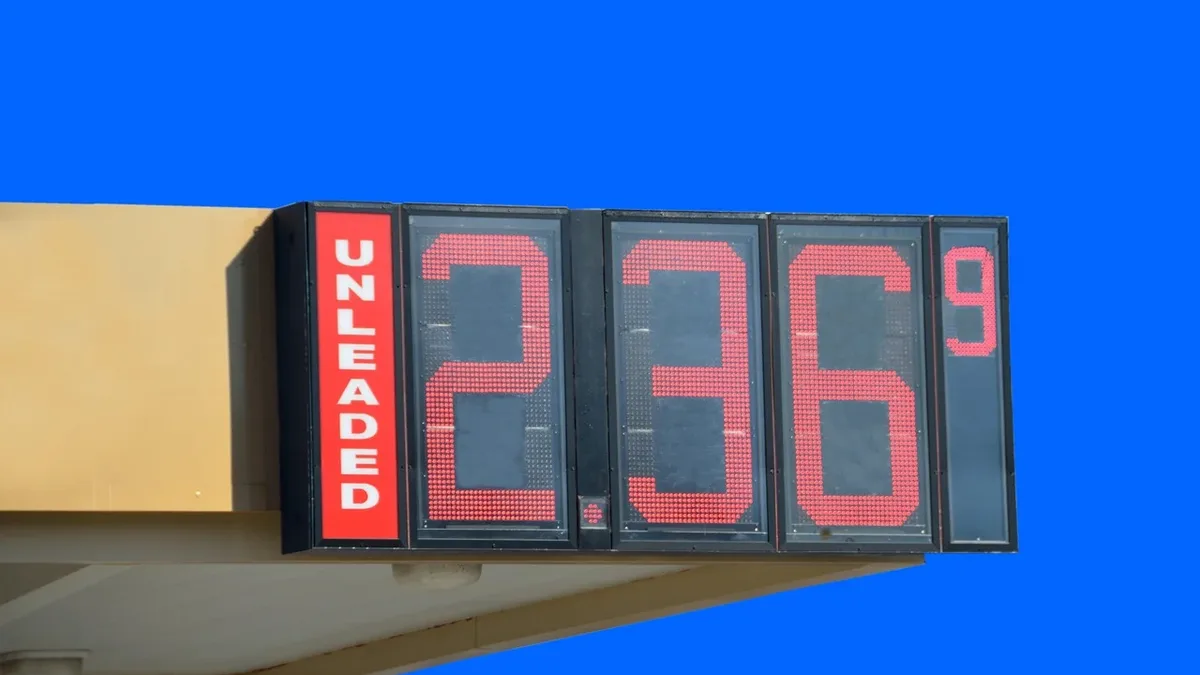
US inflation accelerated to 3.7% annually in September, driven by a sharp spike in energy and gasoline costs, reinforcing expectations for further Federal Reserve interest rate hikes.
Every Global Economy story tagged Shocks & cycles.

US inflation accelerated to 3.7% annually in September, driven by a sharp spike in energy and gasoline costs, reinforcing expectations for further Federal Reserve interest rate hikes.


A New York Federal Reserve study finds Trump-era tariffs added 2.9 percentage points to consumer goods prices as of February.

The World Trade Organization has sharply raised its 2026 merchandise trade growth forecast to 3.9%, driven by surging demand for AI infrastructure.

US job growth slowed sharply to 29,000 in September while the unemployment rate rose to 4.2%.

Amazon announced a 15% price increase for its Nvidia-based EC2 Capacity Blocks cloud service starting next week.

The Conference Board's consumer confidence index plunged to 81.9 in September, its lowest level since 2014, driven by surging inflation.

The Swiss National Bank kept its key interest rate at 0%, diverging from major trading partners now hiking to fight inflation.

A sharp spike in U.S. Treasury yields, driven by inflation fears and weak auction demand, is pushing borrowing costs higher for consumers and businesses.

UK inflation accelerated to 3.1% in August, driven by a sharp 23% annual rise in motor fuel prices. The data comes ahead of a Bank of England policy decision, with markets expecting interest rates to be held steady.

U.S. Consumer inflation rose 3.4% in August, outstripping a 3.1% wage gain and causing real earnings to fall.

U.S. producer prices rose 0.4% in August, keeping annual wholesale inflation at 5.4% and reinforcing expectations for a Federal Reserve interest rate hike.

Markets now price a 70% chance of a Federal Reserve interest rate hike next week, driven by rising wholesale prices and oil above $100 a barrel.

A new WTO report finds Latin America and the Caribbean's digitally delivered services exports grew fivefold in 20 years.

Oil prices climbed after reports of a Saudi Aramco refinery being hit by Houthi rebels.

US private payrolls increased by 38K in August, below expectations, with services driving the growth.

The August U.S. Jobs report, due Friday, is forecast to show modest payroll growth of 53,000, keeping unemployment at 4.1%.

A 'supersized' El Niño climate event will persist until February 2027, threatening global commodity markets and energy production with extreme weather.

Dell Technologies reported a massive surge in AI server demand, booking $60.9 billion in orders and generating $16.4 billion in revenue for its July quarter.

PwC predicts global data center spending will reach $31.6 trillion from 2026 to 2050, surpassing the combined cost of US/UK railways and the internet.

Madagascar has initiated a WTO safeguard investigation into imports of self-adhesive labels, packaging, and certain other printed items.

Former Fed governor Kevin Warsh advocates for aggressive rate hikes, creating tension with President Trump's growth agenda before the midterms.

U.S. GDP growth steadied at 1.5% in Q2 while PCE inflation rose to 3.7% year-over-year. Durable goods orders jumped 1.1% in July, exceeding forecasts.

DICK'S Sporting Goods reported a second consecutive quarterly earnings miss, sending its shares down 18%. Pre-market futures show modest gains across major U.S. indices, while the S&P Case-Shiller index indicates continued real-term declines in home prices. The market awaits the Consumer Confidence report and upcoming earnings from Zoom, Box, Intuit and NVIDIA.

The Federal Reserve’s preferred inflation gauge shows core personal consumption expenditures rose 3.3% annually in July, matching forecasts. The report also highlights modest gains in personal income and spending, while goods prices fell and services prices edged up.

iQIYI reports Q2 revenue of RMB 6.3 billion, narrowing non-GAAP operating loss to RMB 130.3 million.

The UK economy is experiencing a rebound, but the ongoing Iran war and high energy prices pose significant risks to its growth prospects.

The latest consumer price index report shows a moderate increase in prices, potentially reducing the likelihood of an imminent interest rate hike.

The July consumer price index report shows inflation rising 0.1% for the month, with an annual rate of 3.4%, and core readings of 0.2% and 2.5%.

US President Donald Trump expressed frustration with the Federal Reserve's interest rate policy, arguing that the US should be paying lower rates compared to other countries.

A growing number of Americans are expressing concerns about the potential risks and consequences of artificial intelligence, leading to a shift in public opinion.

The Bureau of Labor Statistics reported that wholesale costs for goods and services were unchanged in July, contrary to forecasts of a 0.2% increase.

ECB economists warn of a potential correction in US tech stocks, citing concerns over valuations and growth prospects.