Inflation Outpaces U.S. Wage Growth, Squeezing Paychecks
U.S. Consumer inflation rose 3.4% in August, outstripping a 3.1% wage gain and causing real earnings to fall, reversing a year of progress as energy price
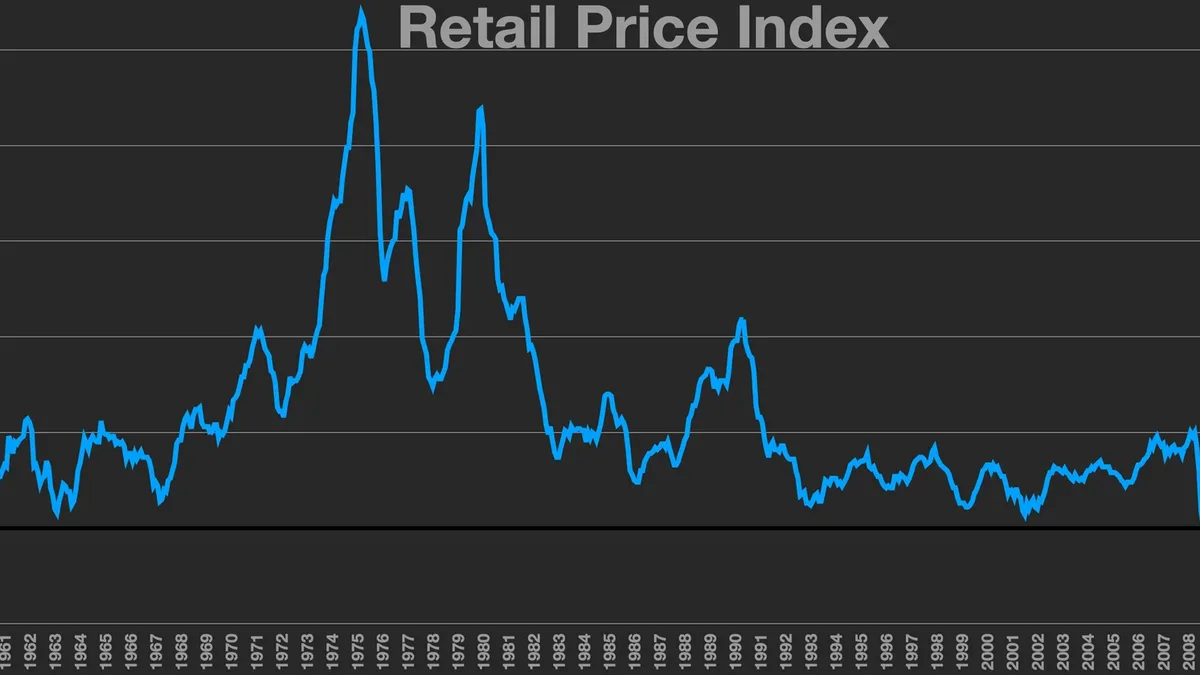
American workers are losing purchasing power as inflation once again outpaces wage growth. Data released Friday shows consumer prices rose 3.4% in August from a year earlier, while average hourly earnings increased only 3.1% over the same period.
Heather Long, chief economist at Navy Federal Credit Union, told CNBC that a substantial number of Americans are worse off as their incomes fail to keep up with price increases. Real average hourly earnings, adjusted for inflation, fell 0.1% from July and were down 0.3% from a year earlier in August.
A Reversal of Progress
The current gap marks a reversal after nearly a year of improvement. From May 2023 until about April 2024, wage growth had generally exceeded inflation, allowing workers to slowly regain ground. Long noted that April was a clear turning point.
"The basics are that inflation is wiping out wage gains," she said. The economist, who first started charting the relationship a year ago to highlight improving conditions, said the progress has now blown up.
Energy Prices Drive the Squeeze
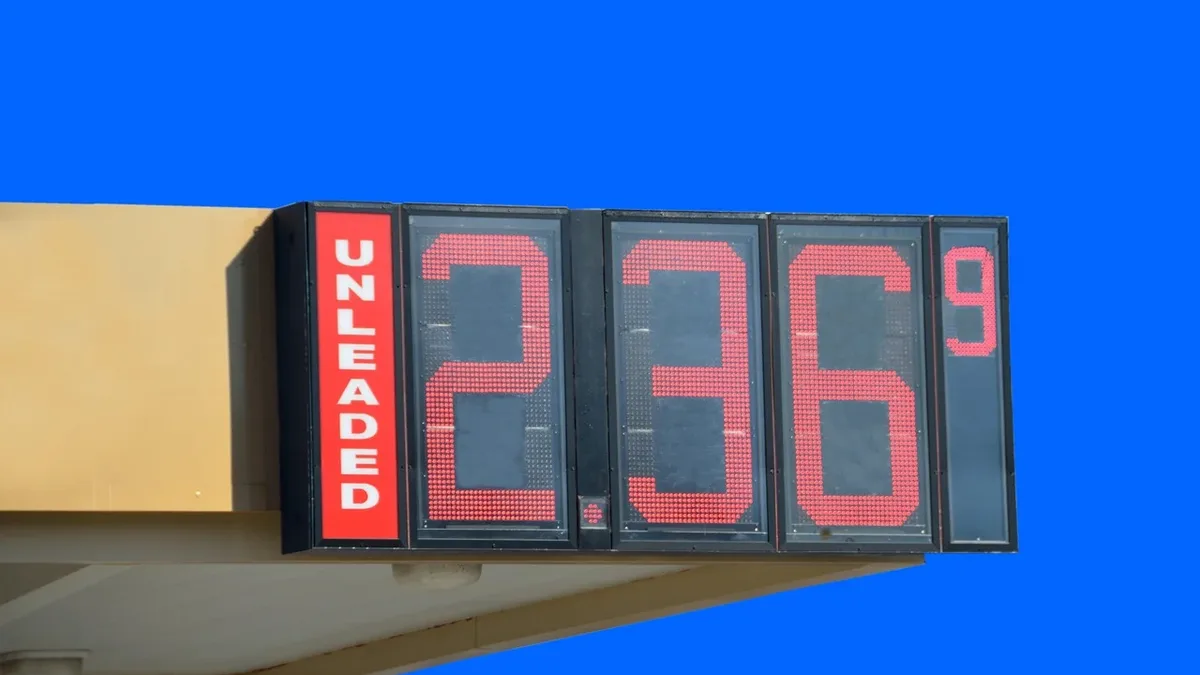
The reversal this spring is tied to a jump in energy costs. Gasoline prices rose 3.9% in August alone, accounting for more than one-third of the gain in the consumer price index. Diesel touched $6 per gallon on Friday for the first time amid fuel supply disruptions from wars in Iran and Ukraine.
Long links the shift in household finances directly to the surge in energy prices following the war in Iran. Navy Federal previously estimated gasoline prices jumped 21% in March, pushing its measure of car ownership costs to a record.
A Prolonged Economic Challenge
Long said it is difficult to see inflation falling substantially while geopolitical pressures continue, especially as wage growth slows. "It's going to be tough for a long time," she stated.
The best-case outcome, she believes, could be for wage growth and inflation to converge again around the beginning of 2027. "But that's still going to feel pretty miserable on Main Street if inflation equals wage growth," Long added. A prolonged squeeze on purchasing power is already starting to affect consumer spending, which accounts for roughly two-thirds of U.S. Economic activity.
Consumers Adjust Spending Habits
The financial pressure is changing where people shop. Data from YouGov shows higher-income shoppers are more likely to shop for groceries at Costco, while Walmart Supercenter is preferred by middle- to lower-income households.
A similar shift toward warehouses and discount stores is visible in Navy Federal's internal spending data covering about 15 million members. "People who used to shop at Whole Foods are now at Costco, Aldi, and so you can see that people are still really trying to stretch every dollar," Long said, noting this behavior appears almost across the income spectrum. She concluded, "The frustration is real on inflation and affordability."