UK inflation hits 3.1% as fuel costs surge
UK inflation accelerated to 3.1% in August, driven by a sharp 23% annual rise in motor fuel prices. The data comes ahead of a Bank of England policy decision, with markets expecting interest rates to be held steady.
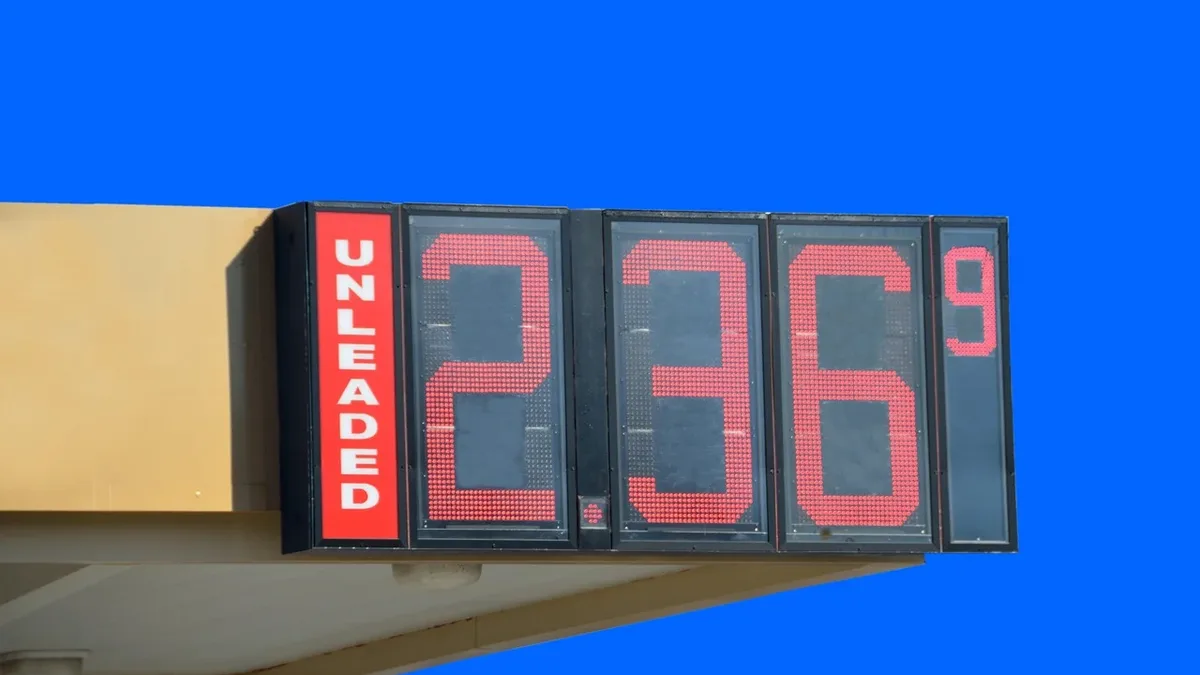
UK inflation rose to 3.1% in August, pushed above 3% for the first time since March by soaring gasoline and diesel costs. The Office for National Statistics (ONS) reported the annual increase, which matched economists' forecasts, was largely driven by motor fuel prices that surged 23% year-on-year.
Prices are climbing as crude oil trades above $100 a barrel. The British motoring body RAC said petrol and diesel have hit their highest levels in four years, a period linked to the conflict involving Iran. The UK, a net energy importer, remains vulnerable to such external shocks.
Fuel prices reach multi-year highs
The average price of gasoline increased by 9.1 pence per liter between July and August. Diesel prices rose by 14.2 pence per liter in the same month. According to the ONS, these moves put average fuel prices at their highest point since November 2022.
Inflation had risen to 2.9% in July after a government-regulated energy price cap was revised sharply upward. In August, the cost of electricity, gas, and other household fuels jumped 6% compared to the same month last year. The country is still dealing with a cost-of-living crisis that began with post-pandemic inflation and was worsened by the energy price surge following Russia's 2022 invasion of Ukraine.
Financial markets reacted to the data. Yields on UK government bonds, or gilts, fell across the curve. The 30-year gilt yield dropped almost 2 basis points to 5.907%, after hitting a 28-year high the previous day. The benchmark 10-year yield was nearly 3 basis points lower at 5.365%. The British pound held steady against both the US dollar and the euro.
Bank of England faces policy decision
The inflation report arrives just before the Bank of England's Monetary Policy Committee announces its latest decision. Data from LSEG indicates markets price in more than an 80% chance the central bank will hold its key interest rate at 3.75%. However, a hike is anticipated at the following meeting in November.
Economists are divided on the immediate implications for monetary policy. James Smith, a developed markets economist at ING, stated in a note that there was "nothing in the latest UK inflation numbers that screams a need to hike interest rates." He questioned whether the energy shock was broadening into other parts of the inflation basket, noting very little sign of this happening.
Smith highlighted that food and non-alcoholic beverages inflation slipped to 1.1% year-on-year in August. He pointed to a similar trend for goods and services the ONS defines as having high energy intensity. Even after adjusting for distortions, inflation for these categories has fallen this year and showed no change in August.
Retail and consumer outlook under pressure
The sustained high costs present a challenge for retailers and consumers heading into the critical year-end shopping period. Bogdan Toma, a partner at McKinsey & Company, said in an emailed note that gasoline prices at a nearly four-year high could signal an uncertain 'golden quarter' for consumers and retailers.
"With households absorbing back-to-school costs and facing the possibility of higher interest rates, demand heading into the fourth quarter may remain subdued," Toma wrote. He noted that competition for fewer and smaller consumer baskets could be intense, putting pressure on retailer margins.
Scott Gardner, an investment strategist at J.P. Morgan Personal Investing, said the inflation increase was unlikely to convince the Bank of England to hike rates immediately but could raise fresh concerns among policymakers. He noted that higher energy costs from the US-Iran conflict are still filtering through the economy, with industry surveys suggesting renewed cost pressures in manufacturing and services.
Gardner added that his team is monitoring potential second and third-round effects from higher costs across the economy. He also cited artificial intelligence as an often-overlooked factor, as growing demand for metals and semiconductors could add to supply-chain pressures. For now, he concluded, it is too early to tell if the energy price spike is becoming a broader inflation shock, noting that much depends on the duration of the war in the Middle East.