
Shocks & cycles
Bond yields surge most since 2022 on hawkish Fed repricing
The policy-sensitive 2-year Treasury yield surged 38.8 basis points over four sessions, its biggest jump since 2022.
Shocks & cycles on Trade and Tide: Global growth outlook, Inflation across economies, Monetary policy divergence, Recessions and slowdowns, Energy price shocks and Food prices and security.
The policy-sensitive 2-year Treasury yield surged 38.8 basis points over four sessions, its biggest jump since 2022.

Retail sales growth in the U.S. slowed to its weakest rate in nearly a year during October, with total spending reaching $561.7 billion.

Falling gasoline prices and a strong jobs report set the stage for the October inflation data, which is forecast to show a 0.3% headline increase.

Spain is holding back 12% of its olive oil production from November 2026 to regulate supply and support prices.

The Bank of England increased its key interest rate to 4% for the first time in over three years, revising inflation forecasts upward due to Middle East energy price shocks.

Federal Reserve Chairman Kevin Warsh is reshaping policy with strategic ambiguity, signaling potential rate hikes while reducing FOMC voting frequency through 2028, as inflation persists.

Treasury Secretary Scott Bessent backed the Federal Reserve's decision to hold interest rates steady, arguing energy price shocks from the Iran conflict are transitory and downplaying risks in AI sector financing.

The US is reportedly considering easing sanctions on Russia's shadow fleet of tankers to lower global freight rates, a move critics warn would undermine Western pressure on Moscow and shift enforcement burdens to Europe.

Federal Reserve officials warn that more interest rate increases are necessary to combat persistent inflation, even after holding the policy rate steady this week.
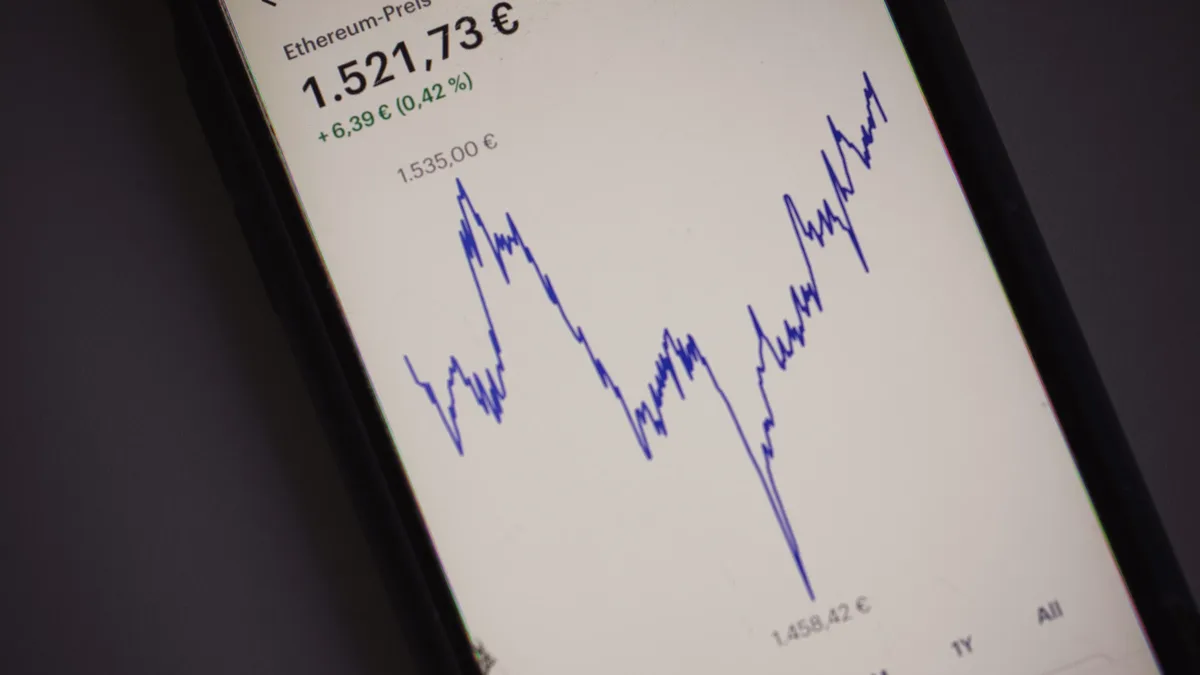
The U.S. economy expanded at a 3.4% annualized pace in the third quarter, exceeding forecasts, while September inflation data showed persistent price pressures, keeping the Federal Reserve on alert.

India's Ministry of Finance has upgraded its economic growth forecast for FY27 to 7.3%, significantly above global projections, despite persistent inflation and currency pressures.

U.S. home prices rose 2.1% in August, a slower pace than the 3.4% inflation rate. The data comes alongside resilient durable goods orders and a mixed corporate earnings picture.

France's private sector returned to contraction in October, ending a brief expansion and pulling the eurozone's overall business activity growth to its weakest pace in four months. The downturn, marked by falling orders and hiring, coincides with a sharp spike in French government borrowing costs and political uncertainty.

Financial experts warn that persistent inflation and volatile interest rates are complicating financial planning for European households and businesses, urging adaptive strategies and cautious spending.
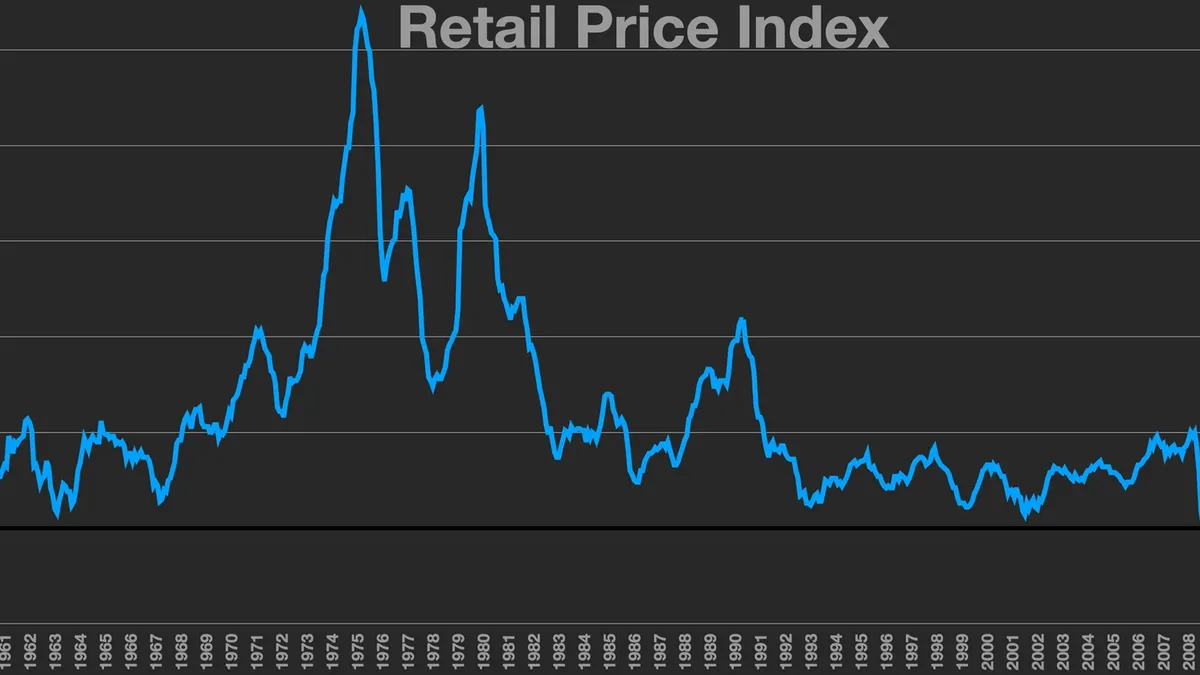
U.S. producer prices surged in September, with the headline PPI hitting a multi-year high, while retail sales remained robust, complicating the Federal Reserve's inflation fight.
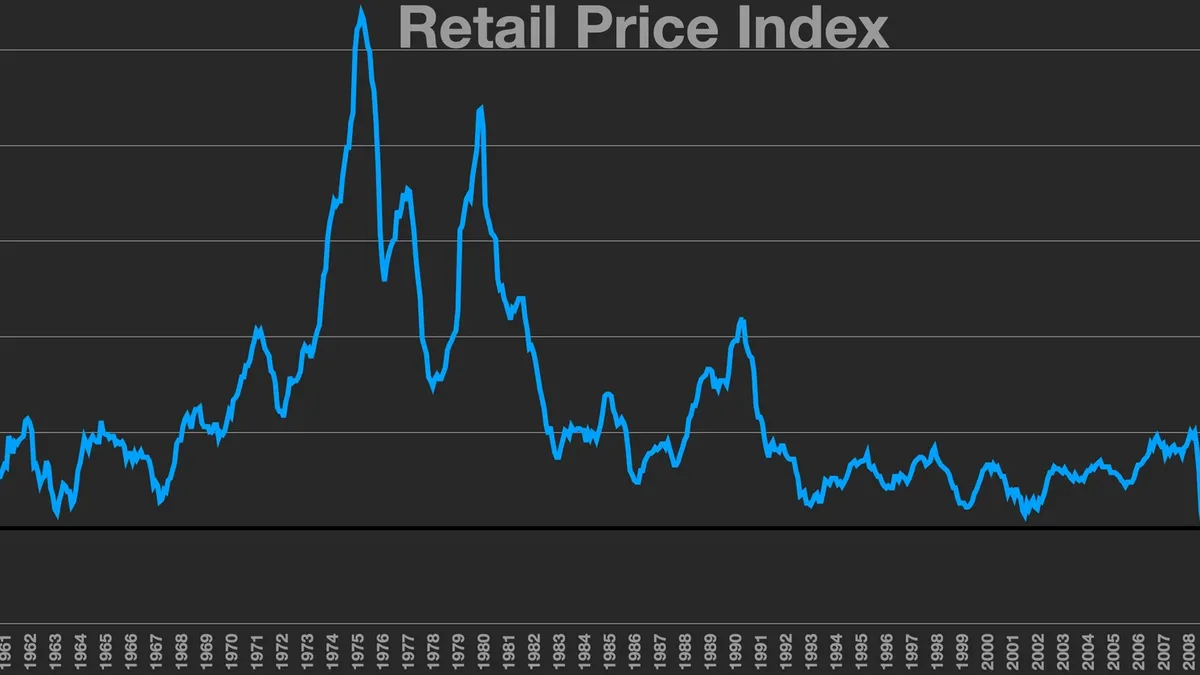
US inflation accelerated to 3.7% annually in September, driven by a sharp spike in energy and gasoline costs, reinforcing expectations for further Federal Reserve interest rate hikes.

India's retail inflation surged to 5.54% in September, driven by soaring food and transport costs, prompting the central bank to maintain a hawkish policy stance while raising its growth forecast.
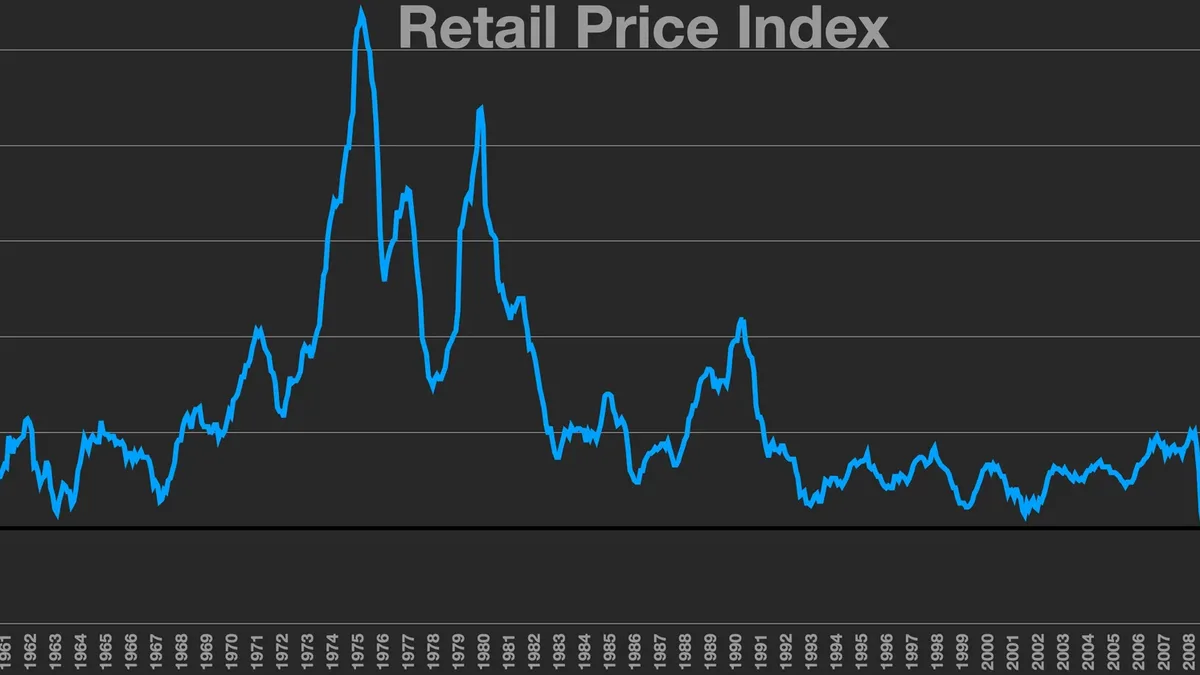
A New York Federal Reserve study finds Trump-era tariffs added 2.9 percentage points to consumer goods prices as of February.

The World Trade Organization has sharply raised its 2026 merchandise trade growth forecast to 3.9%, driven by surging demand for AI infrastructure.

US job growth slowed sharply to 29,000 in September while the unemployment rate rose to 4.2%.

Amazon announced a 15% price increase for its Nvidia-based EC2 Capacity Blocks cloud service starting next week.

The Conference Board's consumer confidence index plunged to 81.9 in September, its lowest level since 2014, driven by surging inflation.
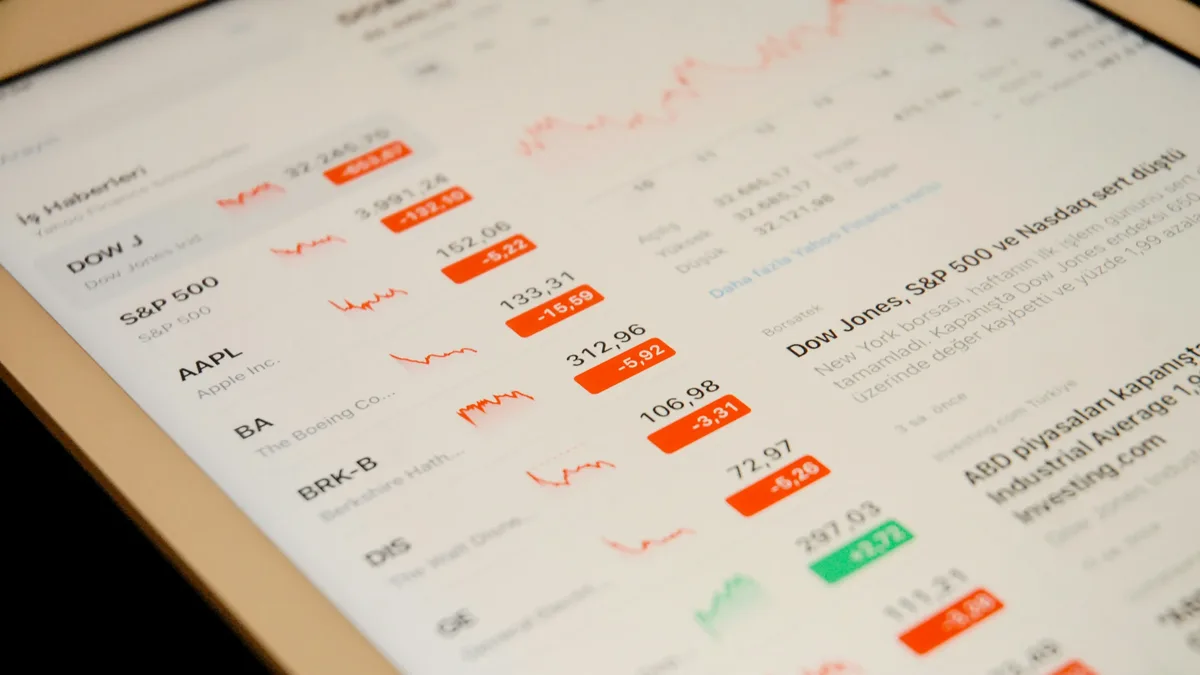
The S&P 500 hovers near its all-time high, but the rally is driven almost entirely by a narrow group of mega-cap tech stocks.

The Swiss National Bank kept its key interest rate at 0%, diverging from major trading partners now hiking to fight inflation.

A sharp spike in U.S. Treasury yields, driven by inflation fears and weak auction demand, is pushing borrowing costs higher for consumers and businesses.

UK inflation accelerated to 3.1% in August, driven by a sharp 23% annual rise in motor fuel prices. The data comes ahead of a Bank of England policy decision, with markets expecting interest rates to be held steady.
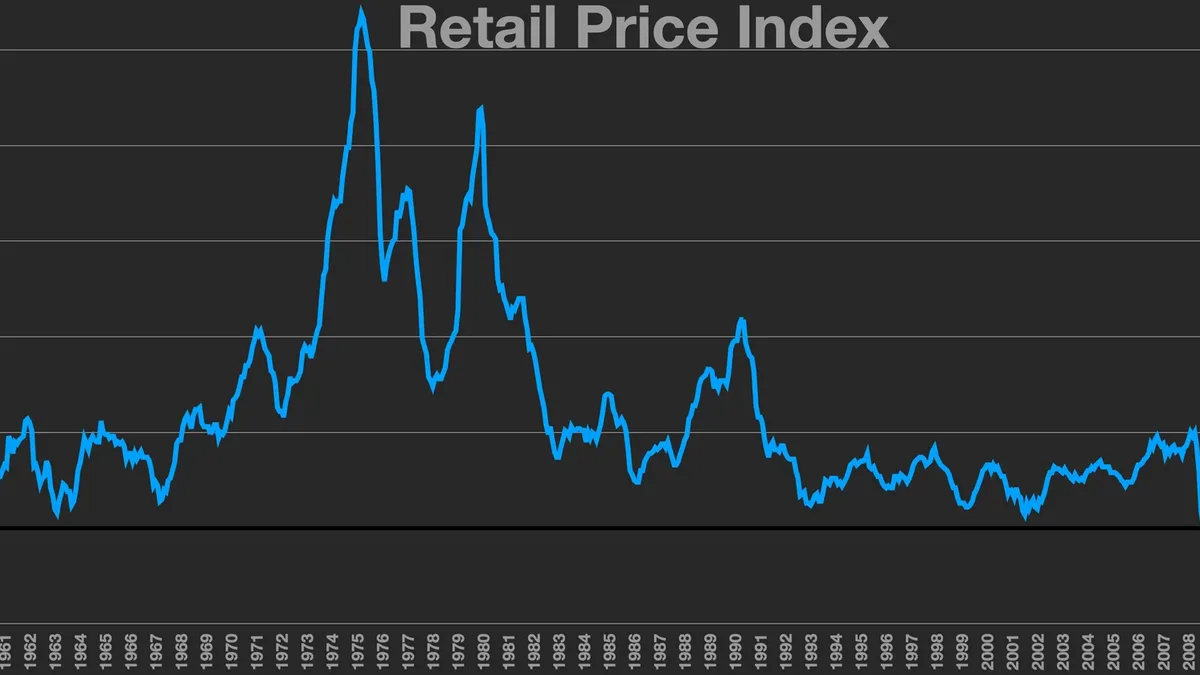
U.S. Consumer inflation rose 3.4% in August, outstripping a 3.1% wage gain and causing real earnings to fall.
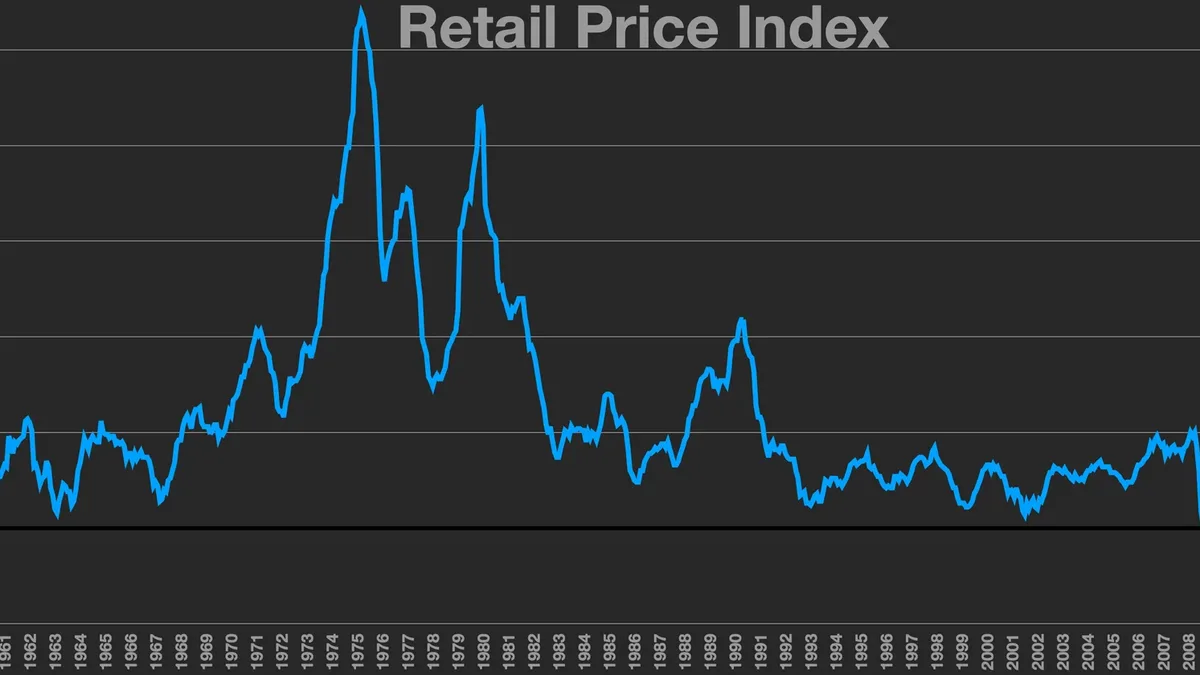
U.S. producer prices rose 0.4% in August, keeping annual wholesale inflation at 5.4% and reinforcing expectations for a Federal Reserve interest rate hike.

Markets now price a 70% chance of a Federal Reserve interest rate hike next week, driven by rising wholesale prices and oil above $100 a barrel.

A new WTO report finds Latin America and the Caribbean's digitally delivered services exports grew fivefold in 20 years.

Oil prices climbed after reports of a Saudi Aramco refinery being hit by Houthi rebels.

US private payrolls increased by 38K in August, below expectations, with services driving the growth.
Institutional investors are re-rating the space sector, driving up stocks like AST SpaceMobile.

The August U.S. Jobs report, due Friday, is forecast to show modest payroll growth of 53,000, keeping unemployment at 4.1%.

A 'supersized' El Niño climate event will persist until February 2027, threatening global commodity markets and energy production with extreme weather.

PwC predicts global data center spending will reach $31.6 trillion from 2026 to 2050, surpassing the combined cost of US/UK railways and the internet.

The ISM manufacturing index dropped to 54.6% in August. Tariffs and conflict caused price and supply issues, prompting warnings of slower activity ahead.

Eurostat reports euro zone inflation jumped to 3.3% in August, driven by energy costs, making an ECB interest rate increase highly probable next week.