October Inflation Surge Intensifies Fed Rate Hike Pressure
U.S. consumer prices rose 0.4% in October, exceeding forecasts, with core inflation stubbornly high at 0.3%. The data fuels market expectations for a Federal Reserve interest rate increase at its December meeting.
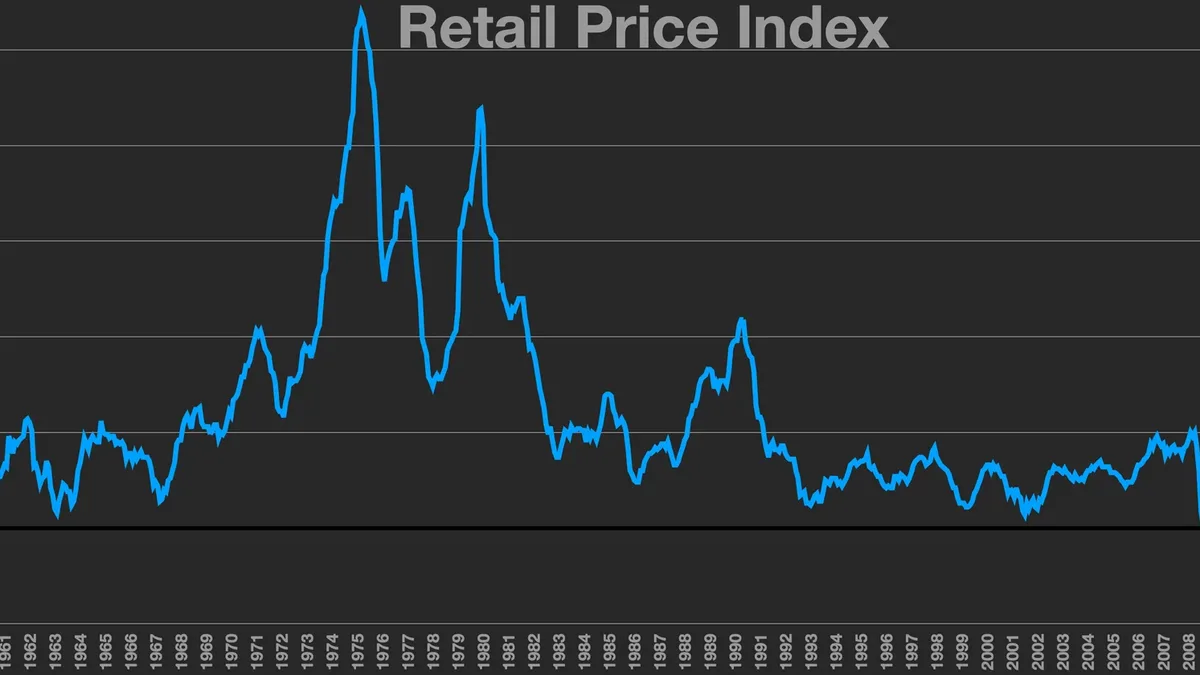
Consumer prices rose 0.4% in October, seasonally adjusted, according to the Bureau of Labor Statistics. This exceeded the 0.3% increase economists had anticipated. Core inflation, which excludes volatile food and energy prices, rose 0.3% for the month, matching its pace from September and August and coming in above the 0.2% forecast. The October inflation report all but guarantees the Federal Reserve will hike its benchmark interest rate at its December meeting. Traders have priced in a quarter percentage-point increase, with markets assigning a 15.3% chance of a larger half-point move.
Market Expectations and Fed Policy Implications Intensify
The data has intensified debate over the size of the impending rate hike. Fed Governor Christopher Waller had previously stated he would support a half-point rate hike in December if core inflation came in at 0.3%. Following the report, Dallas Fed President Lorie Logan noted the CPI was higher than expected and suggested it may be possible to move more rapidly on rates this winter. She sees a need for two additional quarter-point increases, after which it would make sense to pause. The Federal Reserve has not raised rates since September, when it increased its benchmark by a quarter point to a range of 3.75%-4%. Inflation has now been above the Fed's 2% target for over five and a half years.
Energy and Food Price Drivers Persist
Energy and food costs continued to push prices higher. The overall energy index rose 0.7% in October, a sharp deceleration from September's 5.2% gain. Within that category, gasoline prices rose 1% while natural gas costs fell 0.8%. Electricity prices, however, climbed 0.9%. Food costs accelerated by 0.5%, accounting for nearly a fifth of the overall monthly price increase. The rise was driven by specific surges:
| Category | Price Increase |
|---|---|
| Baby food and formula | 5.1% |
| Television | 3.3% |
| Smartphones | 1.4% |
| Snacks | 1% |
| Beef | 0.9% |
| Meats, poultry, fish, and eggs | 0.5% |
Housing and Services Contribute to Inflation
Housing costs remained a significant and persistent contributor. Shelter costs increased 0.3%, accounting for more than 30% of the headline CPI increase. Owners' equivalent rent rose 0.3% and rents increased 0.2%. Services inflation broadened beyond housing. Transportation services rose 0.8% last month, while medical care services increased 0.3%. Prices for medical care commodities rose 0.5%. Airline fares accelerated 0.4%. The price pressures are widespread. A net 37% of businesses in an October small business survey plan to raise prices in the next three months, the highest level since July 2022. Prices continue to rise faster than workers’ pay, eroding purchasing power. The December 8-9 Fed meeting will consider this as its final CPI data before the decision.