Fed Signals Cautious Path as Inflation Holds Above Target
The Federal Reserve's preferred inflation gauge remains stubbornly above its 2% target.

The Federal Reserve's preferred inflation gauge is expected to show annual headline inflation holding at 3.7%, with core inflation steady at 3.3%-unchanged since July and well above the central bank's 2% target. However, recent data reveals downward pressure, with the core Personal Consumption Expenditures (PCE) index rising just 0.2% month-over-month in August and the annual rate ticking down to 3%. The Fed raised its target rate by 25 basis points on September 16.
Consumer spending defied expectations and inflationary pressures in August, rising 0.8%. This surge was partly driven by higher gasoline prices. Spending data from Bank of America shows broad-based resilience. For the week ended September 19, overall credit card spending rose 6.9% year-over-year, with a 26.5% surge in gasoline spending. Even excluding gasoline, spending increased by 5.7%.
Fed signals cautious approach to rate hikes
The Federal Reserve approved a quarter percentage point rate increase at its September meeting and indicated the likelihood of another hike before year-end. Fed Governor Michael Barr reiterated that further rate hikes are likely needed. New York Fed President John Williams stated there is 'no need for urgency' to raise rates in October, suggesting any further move would come 'late this year,' implying December.
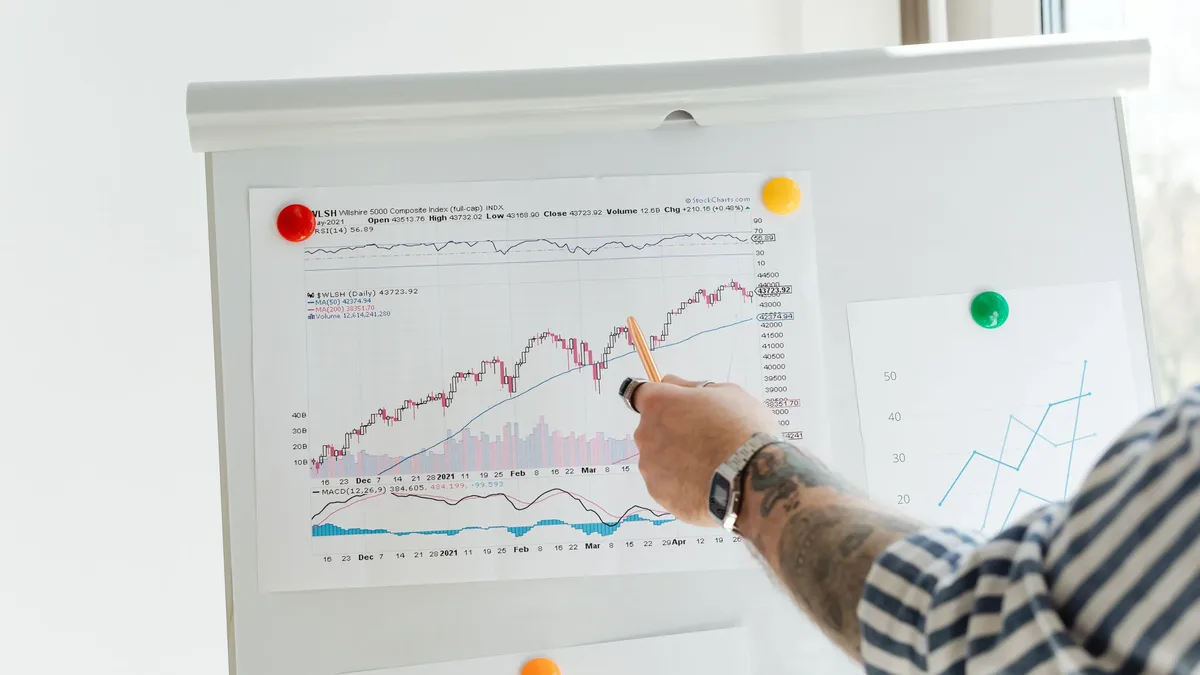
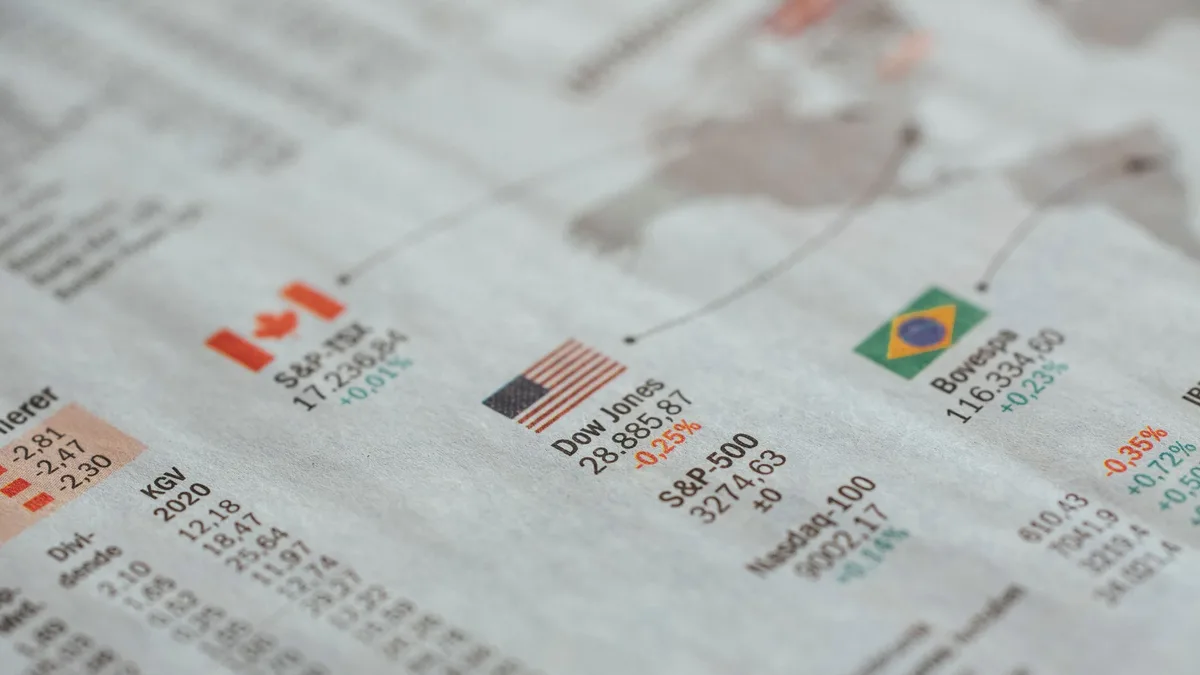
Market expectations have shifted. The probability of a hike at the October meeting is now seen at roughly 35%, down from around 70% earlier in the week. Fed funds futures still estimate a 68% chance of a move. Meanwhile, the 10-year Treasury yield closed at 5.24% on Monday, its highest level in nearly two decades.
External pressures complicate inflation path
Officials cite several external factors keeping inflation elevated. Fed Governor Michael Barr stated that tariffs and the prolonged war with Iran have disrupted progress. John Williams identified the artificial intelligence buildout as a third contributor, noting it increases competition for capital and contributes to higher Treasury yields. He added that the pressure on goods prices from tariffs has largely abated.
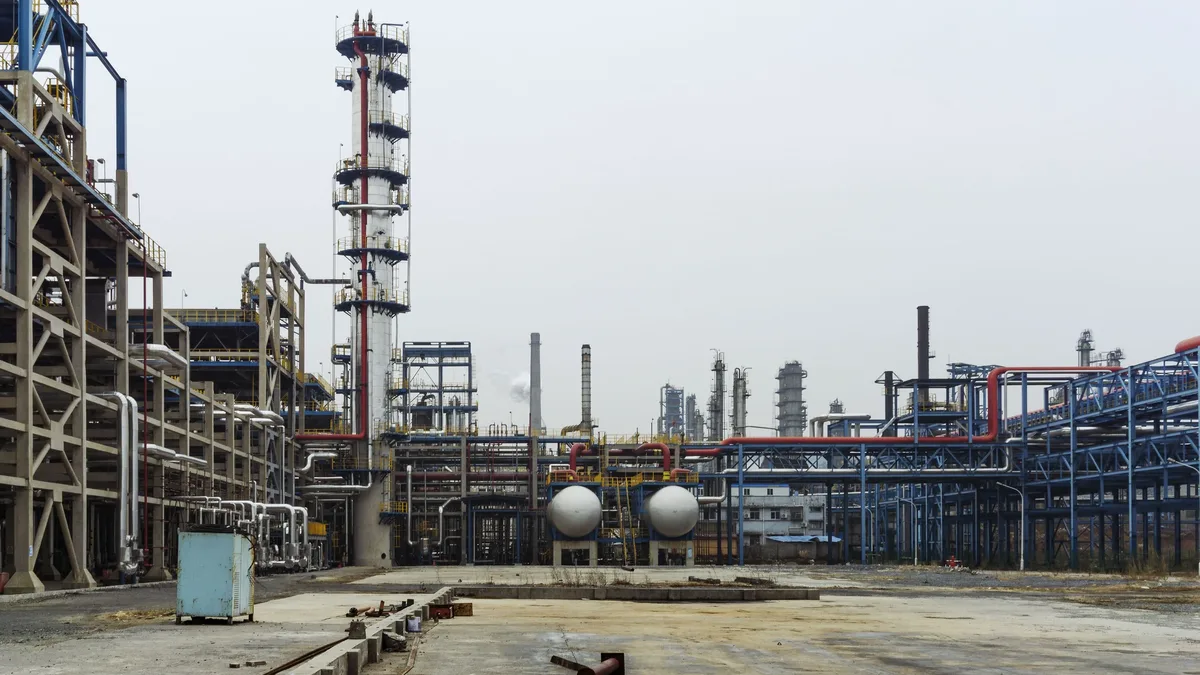
The war in Iran is cited as the main driver of higher diesel prices, a specific inflation concern. Discussions in Washington about restricting U.S. Diesel exports could further disrupt refinery economics and global fuel markets. Offsetting these pressures, prices for housing services have decelerated, and there is no evidence the labor market is adding to inflationary pressures.
Markets continue to price in a strong probability of further tightening, with one hike anticipated in either December or January. The path remains data-dependent, with officials closely watching the interplay between resilient demand and slowly moderating price growth.