Bond Market Pushes for Fed Rate Hikes Despite Gas Price
The bond market is pushing for Federal Reserve rate hikes to restore inflation-fighting credibility, even though such moves won't lower gasoline prices
Wall Street now feels fairly confident the Federal Reserve under its new chairman, Kevin Warsh, will start hiking interest rates next week. This would be the first increase since 2023, according to a MarketWatch report.
The move is seen as a necessary signal that confronting the nation's inflation problem can no longer wait. This growing confidence helped steady long-dated Treasury yields on Friday after weeks of tumult. The benchmark 10-year Treasury yield's rapid move toward the key 5% threshold suddenly slowed to a crawl.
After jumping 25 basis points in two weeks, the 10-year yield bumped up only 3 basis points to 4.97%. Weeks of earlier tumult had pushed 10-year and 30-year Treasury yields up by about 50 and 45 basis points respectively since late June. That has lifted long-term rates back to some of their highest levels since 2007.
The Inflation Imperative
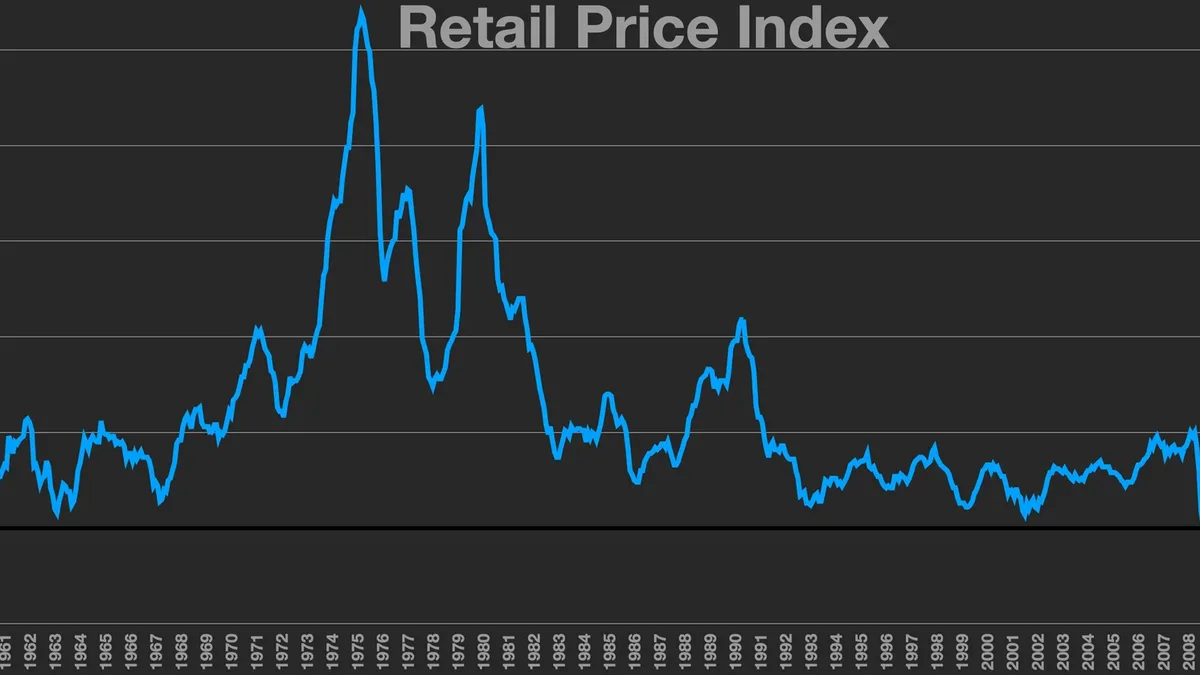
The consumer-price index climbed to a 3.4% yearly rate, well above the central bank's 2% target. Fed officials had been hoping inflation pressures would subside over time, potentially paving the way for more rate cuts. The reality of the Iran war has run against the Trump administration's desire for lower rates. The artificial-intelligence race has also proceeded at a stunning pace, driving the economy and adding to inflation.
"At this point, the Fed's only choice is to go," said Loren Moran, a fixed-income portfolio manager at Wellington Management. She said one of the biggest risks would have been a softer CPI that left the market in an "unhinged moment" in rates.
Treasury Secretary Scott Bessent this week kicked off a series of bigger buybacks of long-dated Treasurys. The aim is to keep the world's biggest debt market functioning smoothly and to stabilize long-end rates. Yet it is the confidence around Fed rate hikes that helped steady them Friday.
Limits of Monetary Policy
Analysts point out the inherent limits of rate hikes on certain inflation drivers. Charlie Ripley, a senior portfolio manager at Allianz Investment Management, said if the Fed raises rates by 50 or 75 basis points this year, "that's not going to bring down the price of oil or gasoline."
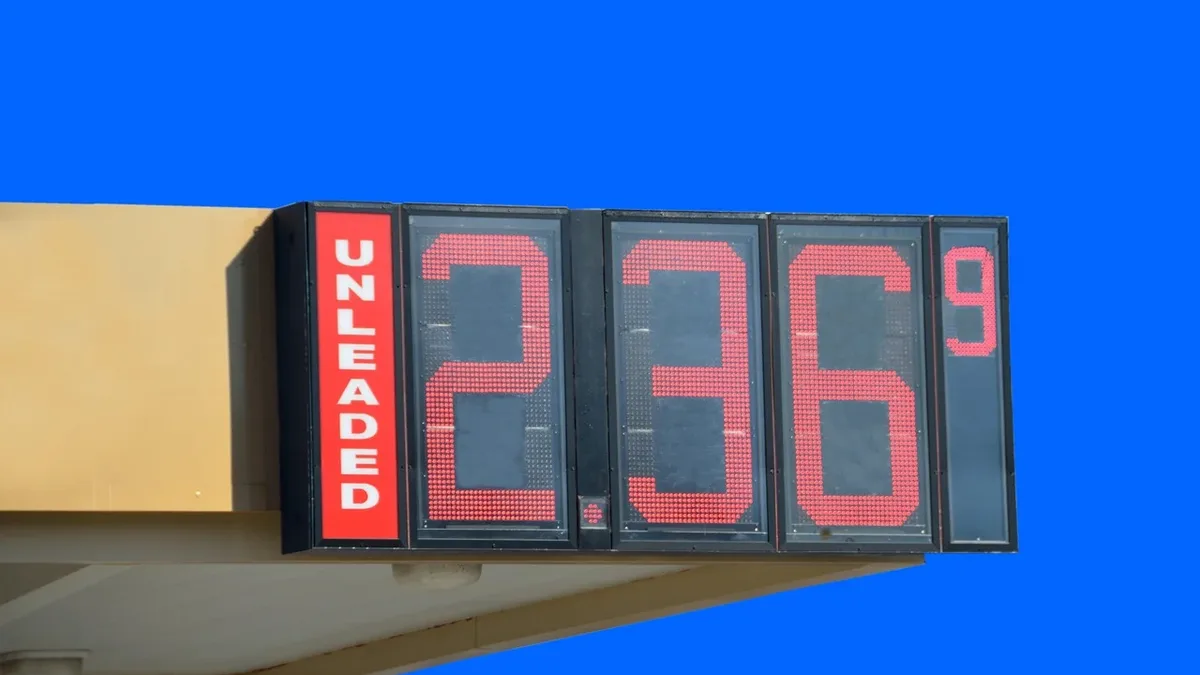
The national average price of gasoline at the pump was $4.295 on Friday, advancing as the Iran conflict pushed up crude prices. Crude-oil prices remain above $100 a barrel. Moran of Wellington Management said it comes down to trying to restore credibility in getting to the 2% Fed inflation target. The question is whether the market is willing to take some of the medicine of cooling the economy.
A modest reprieve Friday from surging oil prices provided relief to the equity market. Investors have largely focused on eye-popping earnings instead of the rising cost of capital, the tariff fight, and the U.S. Deficit, which is now near $2 trillion. "It's a bit shocking" to see the S&P 500 index's performance amid these pressures, the report noted.
Market Yield Movements
The report provided specific figures on recent yield movements for key Treasury benchmarks.
| Security | Yield | Change Since Late June |
|---|---|---|
| 10-Year Treasury Note | 4.975% | Up ~50 basis points |
| 30-Year Treasury Bond | 5.367% | Up ~45 basis points |
"If we get a result that is not a hike, I think that just introduces volatility back in," said Ripley. The bond market's push for tighter policy continues despite the clear disconnect with energy-driven price pressures.