Nomura Economists Criticize Fed Chair's Inflation Gauge
Economists at Nomura argue Federal Reserve Chair Kevin Warsh's method of tracking inflation diffusion has significant flaws.
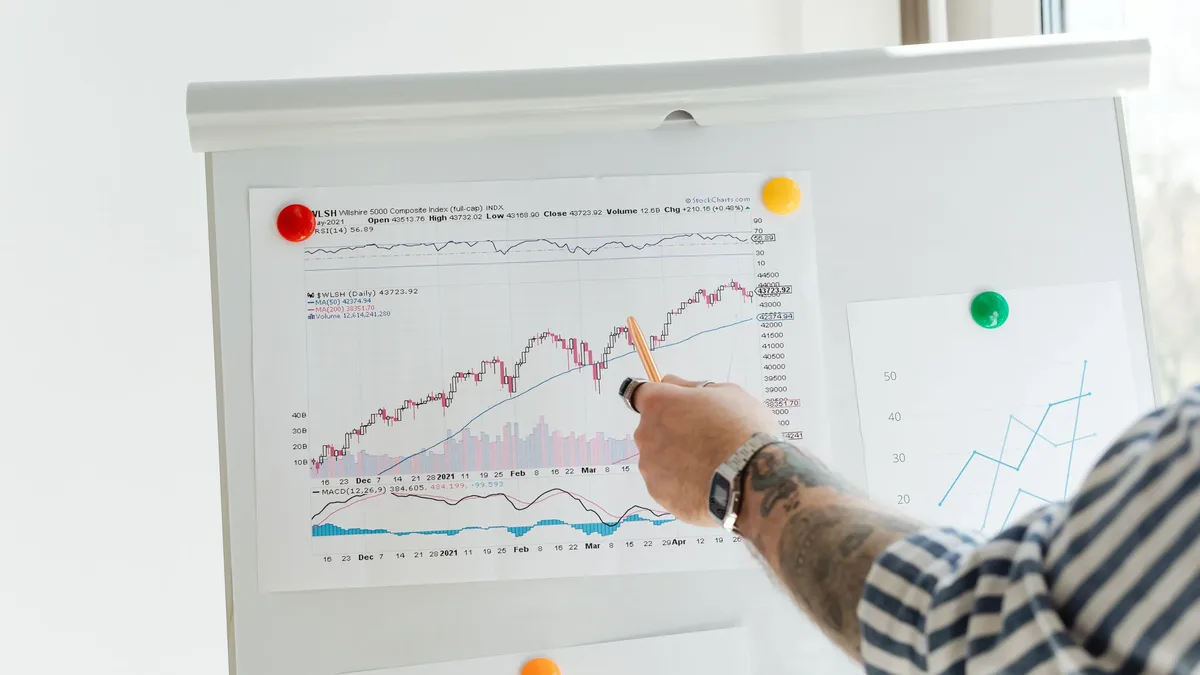
Federal Reserve Chair Kevin Warsh is using a new method to gauge underlying inflation, but economists at Nomura say it has hidden flaws. In an August speech at Jackson Hole, Warsh revealed he tracks the percentage of components in the personal consumption expenditures price index showing price increases above 3%.
Warsh noted that over the past 12 months, 54% of the 199 goods and services in the PCE basket showed price increases above that threshold. He said that was well below the post-pandemic high of 77% but above the pre-pandemic two-decade average of 32%. The Fed raised interest rates three weeks after that speech, suggesting the data point held relevance for policymakers.
However, a team of economists at the Japanese investment bank Nomura, led by Aichi Amemiya, contends the methodology is problematic. Their primary criticism is that Warsh treats each of the 199 PCE components equally, rather than weighting them by their share of nominal consumer spending.
"That distinction matters," the Nomura economists stated. They explained that food, energy, and core goods account for roughly 47% of the components on an equal-weighted basis, but only about 32% after accounting for actual expenditure weights. Housing, by contrast, represents just 3% of the 199 categories despite carrying a 16% weight in consumption.
This means Warsh's diffusion index is looking at a particularly volatile subset of inflation categories. The economists argue this unweighted approach distorts the true picture of price pressures facing consumers.
The Lagging Indicator Problem
The second major flaw identified by Nomura is that the diffusion measure has not historically been a leading indicator. Analysis shows it moves concurrently with, rather than ahead of, core PCE inflation data.
Around major turning points, including the post-global financial crisis disinflation and post-pandemic inflation surge, neither diffusion measure identified inflections in the trend materially earlier than core PCE inflation, the economists noted. They provided a chart illustrating this concurrent relationship.
This lack of predictive power is a critical weakness for a tool intended to guide monetary policy. If the diffusion index merely echoes established trends, it offers little advance warning to central bankers.
Historical Use and Broader Adoption
The critique does not mean diffusion indexes are without value. The Nomura team acknowledged that Fed officials have cited such data in the past. Former Vice Chair Janet Yellen and current Governor Christopher Waller have both referenced diffusion figures.
Foreign central banks also monitor these metrics. The Bank of Canada is among the institutions that track inflation diffusion as part of their analytical toolkit. This indicates a recognized, if supplementary, role for the data.
The economists' core conclusion is a warning about over-reliance. If Warsh and other members of the Federal Open Market Committee start placing greater weight on the unweighted diffusion index, they risk reacting to false signals. This could lead to policy missteps in a complex economic environment.
The debate over inflation measurement comes as market sensitivity remains high. The yield on the 2-year Treasury note ended a recent Tuesday at its second-highest level of the year.