Bank of England to hold rates as Fed and ECB
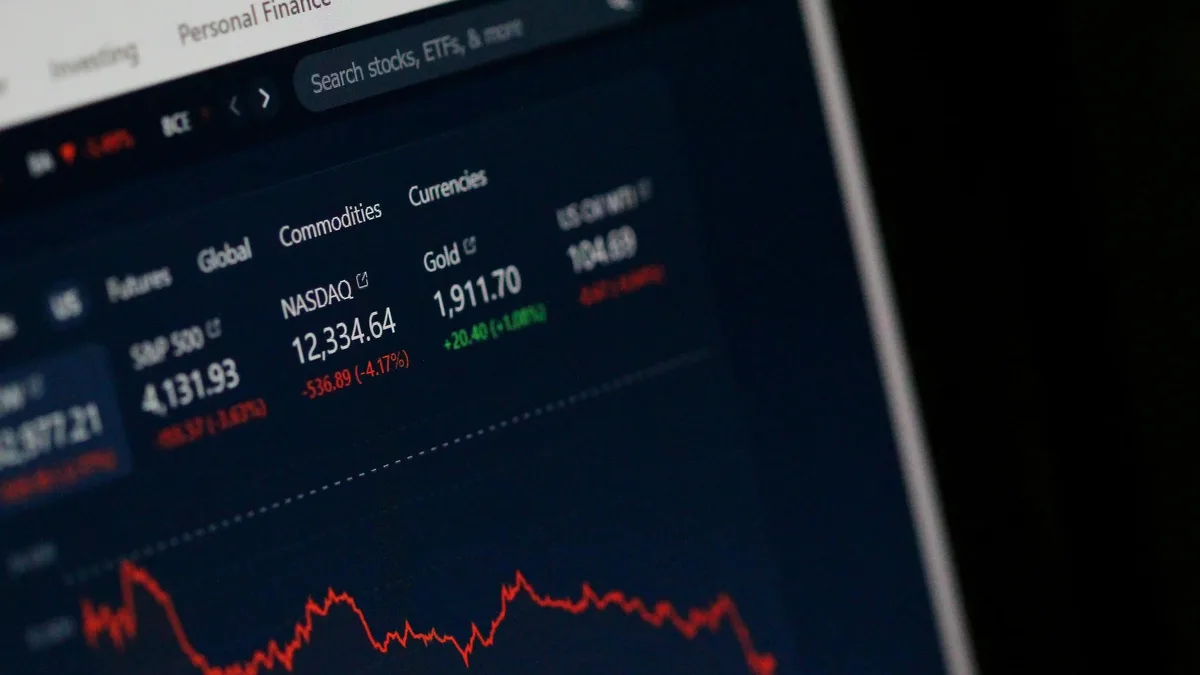
The Bank of England is expected to keep interest rates unchanged, diverging from the U.S. Federal Reserve and European Central Bank which both recently raised rates, despite UK inflation rising above 3%.
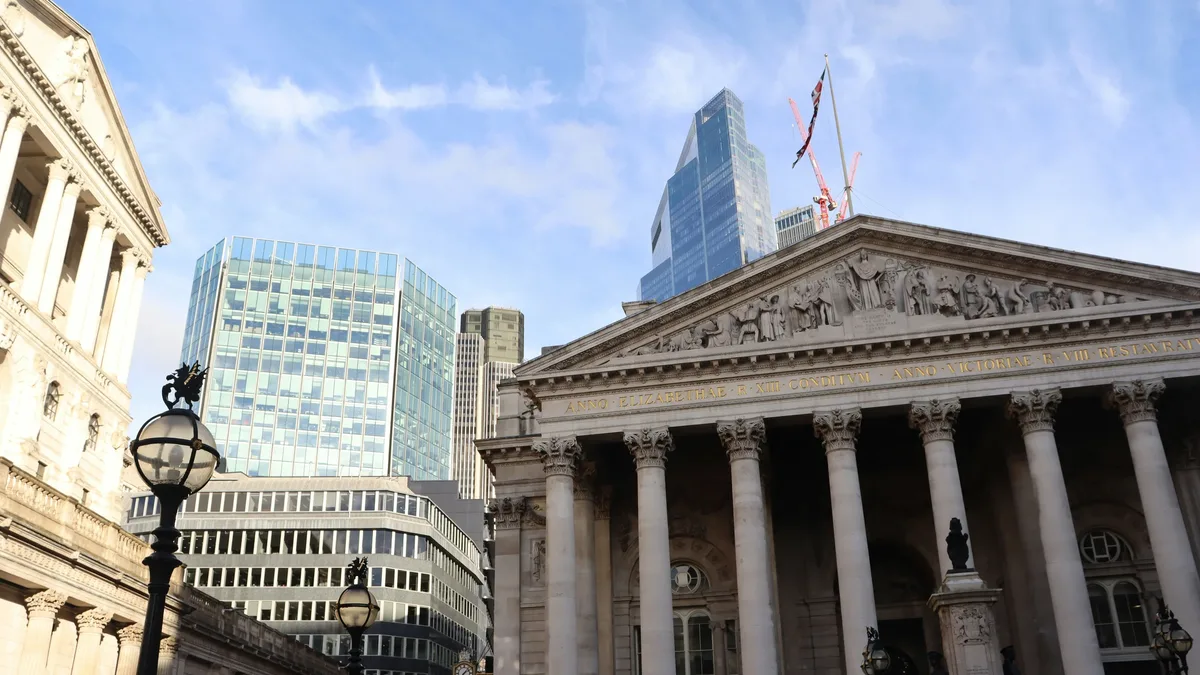
The Bank of England is widely expected to leave its key interest rate unchanged on Thursday. This decision would come despite new data showing UK inflation rose to 3.1% in August, exceeding the central bank's 2% target.
A hold would mark a clear divergence from other major central banks. The U.S. Federal Reserve, which was first created in 1913 to conduct monetary policy, announced a quarter-point hike on Wednesday. Last week, the European Central Bank announced its second rate hike this year. Markets see an over 80% chance the Bank of England holds steady now, with a hike of at least 25 basis points widely anticipated for its November meeting.
Inflation data and energy pressures
Data from the UK's Office for National Statistics showed the August inflation increase was the first above 3% since March. The spike was largely driven by a 23% year-on-year surge in motor fuel costs. As a net energy importer, the UK remains vulnerable to external energy shocks. The country is still dealing with a cost-of-living crisis linked to post-Covid inflation and the Russia-Ukraine war's impact on natural gas supplies.
Investment strategist Scott Gardner of J.P. Morgan Personal Investing said the inflation rise was unlikely to prompt an immediate rate hike. It could, however, raise fresh concerns among policymakers. "The U.S.-Iran conflict began over six months ago but higher energy costs are still filtering through to business input prices and household spending," Gardner noted.
Market context and gilt pressures
Global inflation concerns and apprehension about UK fiscal policy have pressured British government bonds, known as gilts, this year. Britain currently has the highest borrowing costs in the G7. Yields on long-dated 20- and 30-year gilts have been approaching 6%. Earlier this week, The Telegraph reported that the Bank of England would announce plans to stop selling these long-dated gilts alongside its rate decision.
Shreyas Gopal, an FX strategist at Deutsche Bank, said the absence of hawkish surprises in recent UK data had cooled market expectations for a hike this week. The Bank of England has not changed its key rate this year. Its last move was a 25-basis-point cut in December. Meanwhile, the Bank of Japan is expected to raise its key rate at the end of its own meeting on Friday.