
Flows
Congress Moves to Reclaim Tariff Authority After Voter Backlash
Following midterm election losses, a bipartisan push in Congress aims to require legislative approval for new tariffs, reversing presidential trade authority used by Trump.
Following midterm election losses, a bipartisan push in Congress aims to require legislative approval for new tariffs, reversing presidential trade authority used by Trump.
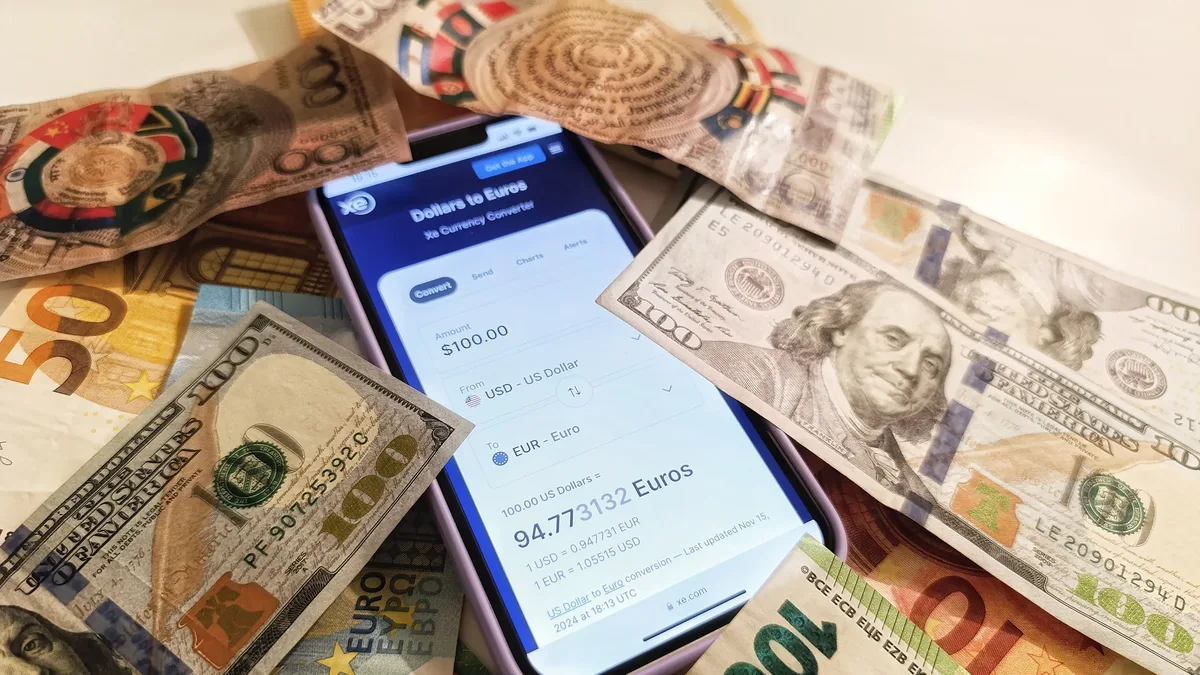
The Federal Reserve is set to raise interest rates in December, with the size of the hike dependent on strong October employment figures and persistent inflation signals.
The policy-sensitive 2-year Treasury yield surged 38.8 basis points over four sessions, its biggest jump since 2022.

The Middle East and North Africa's mobile economy is projected to reach €421 billion by 2030, having generated €340 billion in value and supported 2.2 million jobs in 2025, as 5G expansion accelerates amid a persistent digital divide.

Retail sales growth in the U.S. slowed to its weakest rate in nearly a year during October, with total spending reaching $561.7 billion.

1964 · Abidjan, Côte d'Ivoire


Argentine peso (ARS) · Argentina

1966 · Mandaluyong, Philippines

Between Djibouti and Yemen, connecting... · Strategic maritime passage for global...



The EU's proposed Industrial Accelerator Act, demanding 70% European vehicle content for subsidies, is causing friction with major auto exporters Turkey and Asian nations, who warn of protectionism and seek reciprocal treatment.

The US is reportedly considering easing sanctions on Russia's shadow fleet of tankers to lower global freight rates, a move critics warn would undermine Western pressure on Moscow and shift enforcement burdens to Europe.

Uzbekistan's WTO accession negotiations, resumed in 2020, are advancing as the Working Party chair visits to push for final agreements on legislation and market access, backed by broad international support.

Federal Reserve officials warn that more interest rate increases are necessary to combat persistent inflation, even after holding the policy rate steady this week.

The heads of the WHO, WIPO and WTO will open a joint symposium on 25 November 2026 to tackle barriers to local and regional health technology production.
The EU imposes a €2 handling fee on all packages from outside the bloc from November 1, adding to a €3 duty that has already cut small parcel imports by 60%.
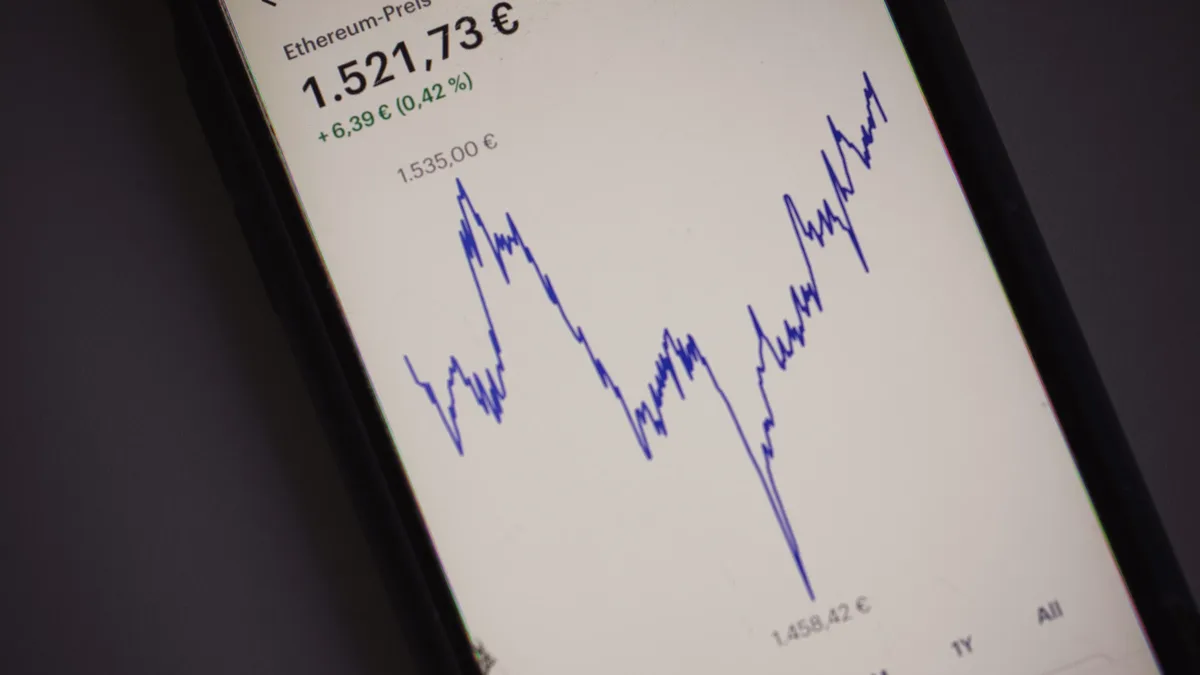
The U.S. economy expanded at a 3.4% annualized pace in the third quarter, exceeding forecasts, while September inflation data showed persistent price pressures, keeping the Federal Reserve on alert.
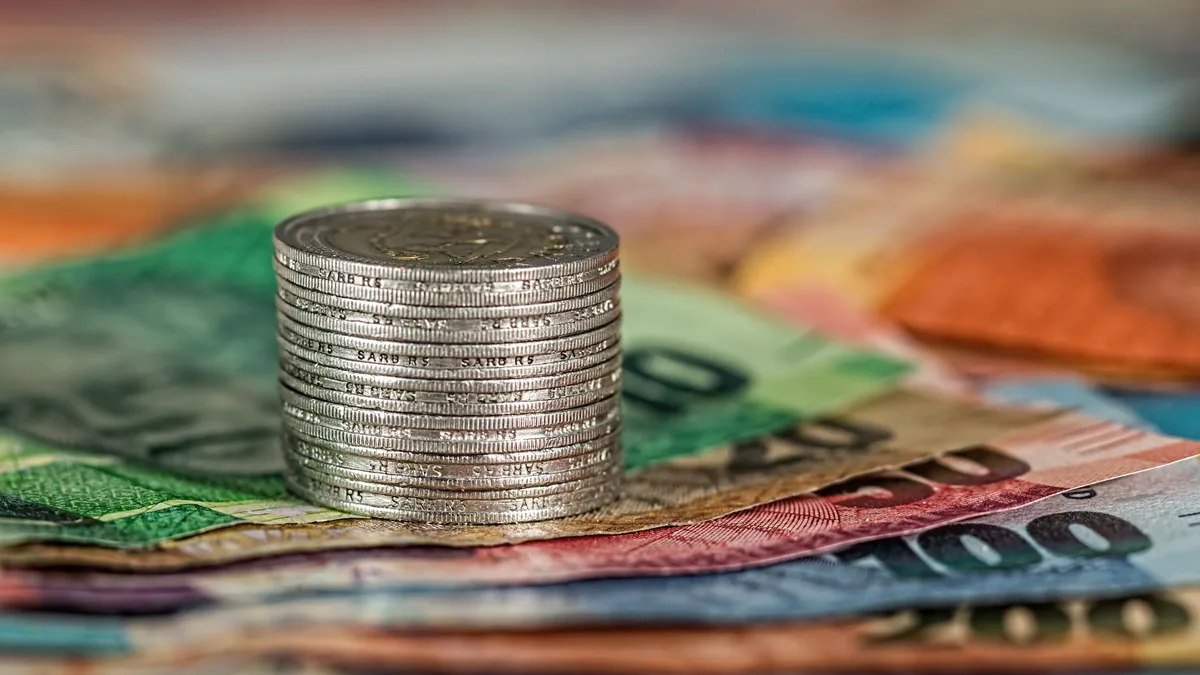
At a WTO lecture, Côte d'Ivoire's President argued re-globalization can help developing nations shift from raw material exports to higher-value production, contingent on infrastructure, skills, and trade rules, citing his country's 7% average growth since 2012.
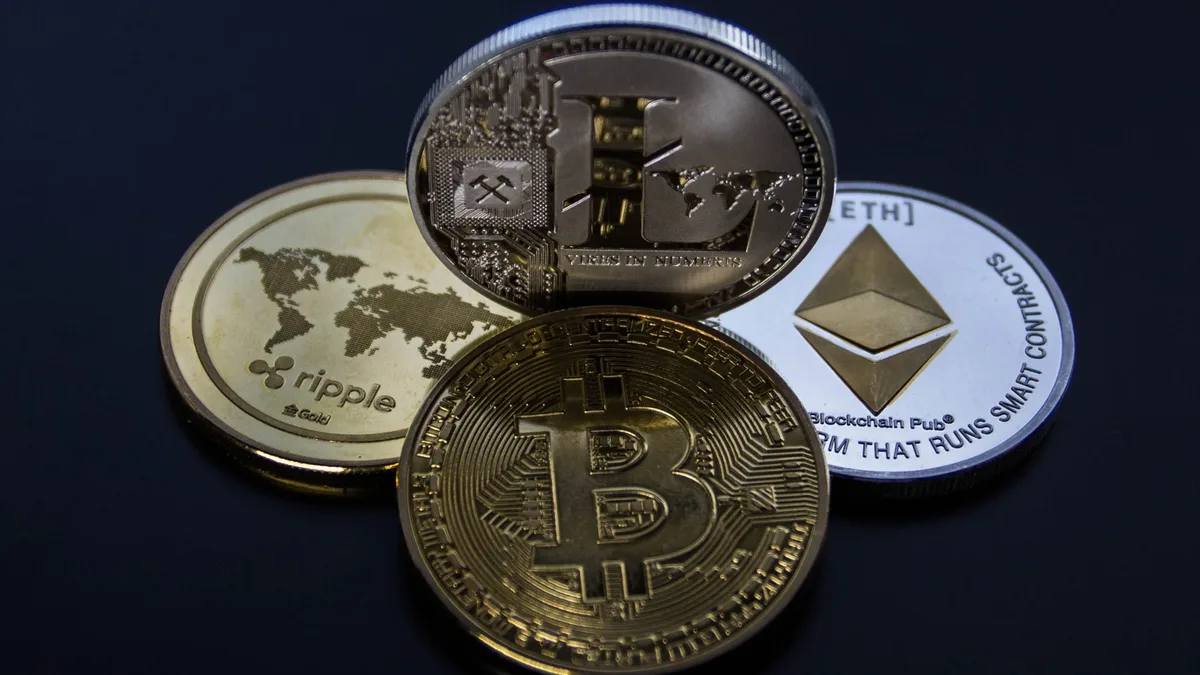
India's Ministry of Finance has upgraded its economic growth forecast for FY27 to 7.3%, significantly above global projections, despite persistent inflation and currency pressures.
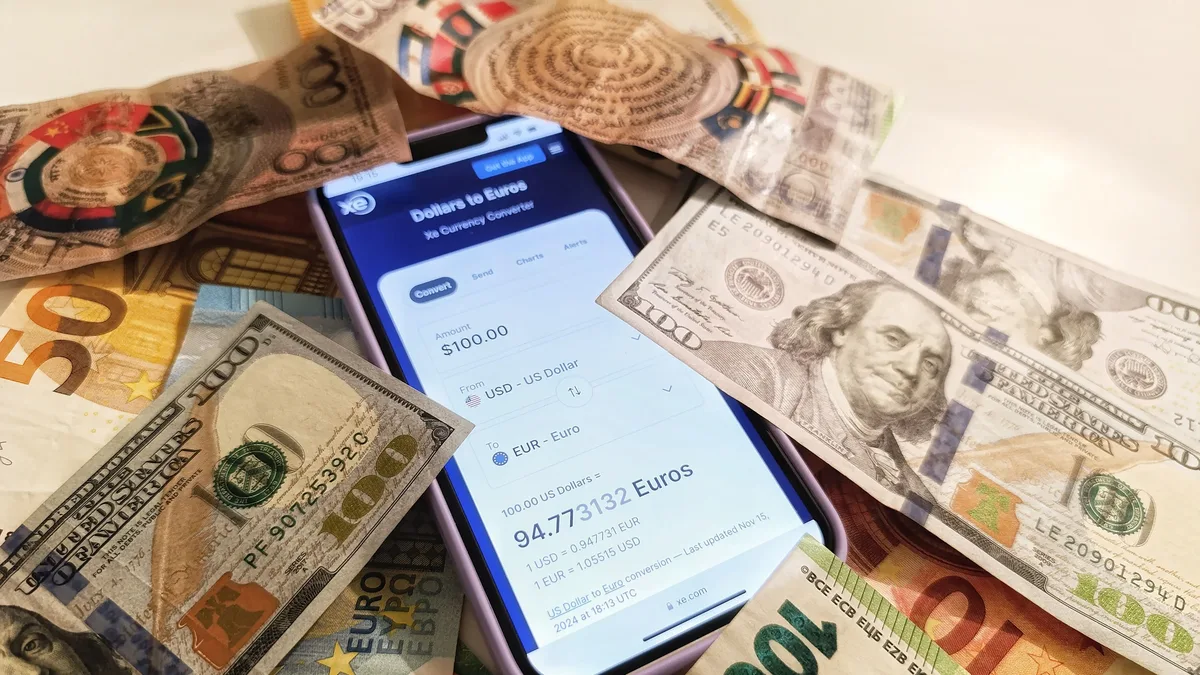
The Federal Reserve held its benchmark interest rate unchanged in a 10-2 vote, with two officials dissenting in favor of a hike.

U.S. home prices rose 2.1% in August, a slower pace than the 3.4% inflation rate. The data comes alongside resilient durable goods orders and a mixed corporate earnings picture.

Germany's Ifo Business Climate Index rose to 90.2 in October, marking its sixth straight monthly gain and highest level since early 2023, signaling cautious economic optimism despite sectoral divergences and persistent risks.
The flows between economies: capital, goods, currency and growth. Regions & economies and Flows are the two spines, Currencies follows the exchange rate story, Institutions & debt covers the lenders and the borrowing, and Shocks & cycles covers what breaks the pattern.
It stays cross-border. A national data release matters here for what it does to a flow, a currency or a creditor rather than in its own right, and pieces are watching several economies at once.
From statistical agencies, central banks, multilateral institutions and named publications, credited and linked in each piece. Nothing is modelled or forecast here, and revisions are reported when they land.
No. Nothing on the site is a recommendation about any currency, bond or market, and there are no forecasts of our own. Where a projection appears, the institution that made it is named.
They are written with automated assistance from the source reporting and carry no individual byline, with the source credited in place of an author. Nobody here is presented as an economist, and no forecast is issued under any name.
No. There are no cookies, no analytics and no third-party scripts, so your reading is not measured or shared.