US Weighs Lifting Sanctions on Russian Shadow Fleet Tankers
The US is reportedly considering easing sanctions on Russia's shadow fleet of tankers to lower global freight rates, a move critics warn would undermine Western pressure on Moscow and shift enforcement burdens to Europe.
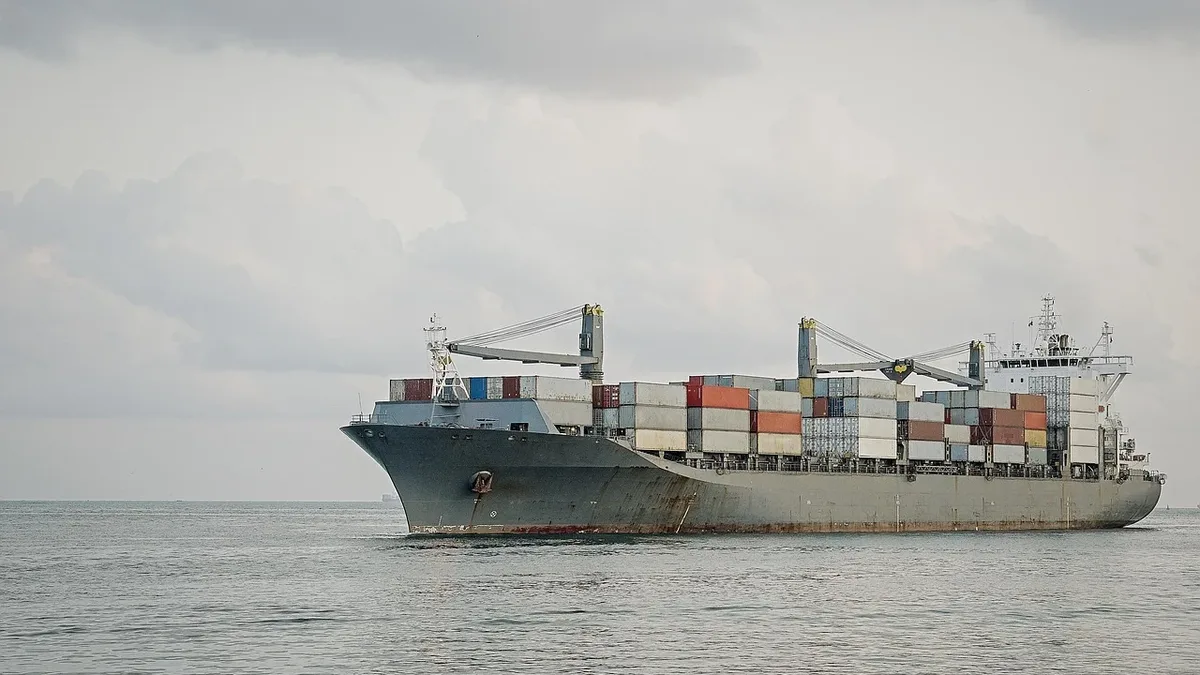
The Trump administration is reportedly considering lifting sanctions on Russia's shadow fleet of tankers to ease record-high global freight rates. This potential shift risks undermining Western sanctions designed to curb Moscow's energy revenues and could reshape global oil trade dynamics.
Aging, uninsured, and poorly maintained tankers form the shadow fleet that bypasses sanctions to move Russian oil. Since Russia's full-scale invasion of Ukraine, Moscow has relied on this network to transport oil, oil products, and gas condensate to markets including China, India, Egypt, and Turkey. One tanker, the Vasily Dinkov, made 15 voyages carrying approximately 726,000 tons of Russian crude oil in the first half of 2026. The fleet now accounts for nearly 19% of global oil tanker capacity. The 39 sanctioned vessels sail under a wide array of flags.
US Consideration to Lift Sanctions
A US official stated the move was intended to ease record-high global freight rates by allowing some vessels to transport oil not subject to sanctions. US Energy Secretary Chris Wright rejected claims sanctions were being removed, framing the action as converting dark tankers to legitimate ones. The US president also waived broad new sanctions on Russia authorized by recent legislation.
The decision was sharply criticized by Ukraine and European allies. Michael Carpenter, a senior fellow at IISS, warned lifting sanctions would reward the aggressor and help Moscow gain revenues to continue attacking Ukraine. Ben Harris, vice president at the Brookings Institution, said it would make it substantially easier for Russia to trade oil at market rates and improve its government finances. He noted US sanctions carry outsized weight due to the threat of being cut off from the US financial system.
European Options if US Steps Back
If the US steps away, responsibility shifts to European policymakers who have less effective options. Experts suggest Europe could demand tankers carry legitimate insurance when traveling through European waters, which would bar many shadow fleet vessels. Europe could also pressure countries worldwide to better regulate tankers flying their flags. The vast majority of the shadow fleet traverses the Baltic Sea and exits via the Danish Strait, giving the EU a key chokepoint to board and inspect vessels.
Without US backing, it will be harder for EU countries to take on the burdens and risks of sanctions enforcement. Russia has threatened to seize ships belonging to European countries in retaliation for interdicting Russian vessels. Michael Carpenter said even if the US eases restrictions, the EU will have no choice but to continue enforcing its sanctions on these vessels.
Rassvet Satellite System Sanctions
Parallel sanctions target Russia's attempt to build its own low-orbit satellite communications system, known as Rassvet. The system is intended to provide Russian forces with satellite communications and could enable control of drones and missiles over long distances. It depends on foreign technologies, equipment, and components.
Sanctions were applied to 10 companies and 19 Russian citizens involved in the project. Key entities targeted include the developer Bureau 1440, its related solar panel producer Labs 1440, and FAB Rassvet which develops satellites and terminals. The Belarusian enterprise AeroKosmicheskie Pribory, which develops aerospace components, was also sanctioned. Five companies supplying foreign industrial equipment, electronic components, and optical systems to Russia were included, with 5S Group's products used in Bureau 1440's developments.
Reactions and Consequences
The potential US policy shift has drawn strong warnings about the credibility of Western sanctions. Elisabeth Braw, a senior fellow at the Atlantic Council, said, "The shadow fleet is a scourge and it is in nobody's interest to have these ships sailing around in the world's oceans." She stressed that Ukraine's European allies will have to remain united and work with partners like Japan, Australia, and Canada, but their impact alone is far less than with US involvement.
Presidential Commissioner for Sanctions Policy Vladyslav Vlasiuk stated the new sanctions hit supply chains at the development stage and urged partners to synchronize their measures. The prospect now is for the EU to step up enforcement using its control over the Baltic Sea and Danish Strait, even in the absence of full US support.