EU's 'Made in Europe' car rules spark trade tension with Turkey and Asia
The EU's proposed Industrial Accelerator Act, demanding 70% European vehicle content for subsidies, is causing friction with major auto exporters Turkey and Asian nations, who warn of protectionism and seek reciprocal treatment.

The European Union's proposed Industrial Accelerator Act sets a 70% European content requirement for vehicles to qualify for subsidies, threatening to exclude major trading partners and disrupt global supply chains. The rules, part of a plan to upgrade European car factories, would apply to battery-electric, plug-in hybrid, and fuel-cell vehicles, which constituted 27% of new EU registrations last year, and could later extend to some hybrids and combustion-engine cars after 2035.
Turkey's export exposure and lobbying effort
Turkey faces significant risk from the proposed rules, with 73% of its total automotive exports destined for the EU. Last year, those exports were valued at $30.1 billion. The country has enjoyed seamless EU market access since the 1990s. Ankara is now lobbying Brussels for inclusion in the 'Made in Europe' program, with its automakers seeking a compromise for phased integration. Ayhan Zeytinoglu, chairman of the Economic Development Foundation, warned that exclusion would cause great damage to Turkey's trade with the bloc. The uncertainty has already impacted investments, with BYD putting its planned $1 billion plant in Manisa on hold.
Asian manufacturers' protest and diplomatic response
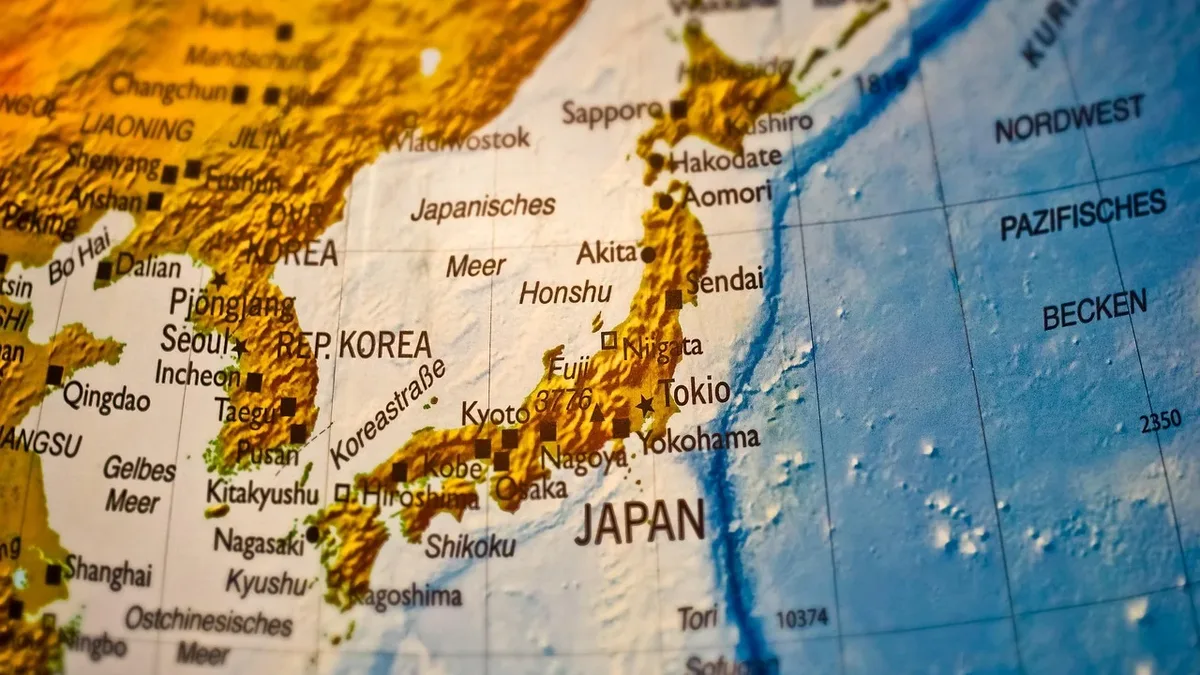
South Korea and Japan have lodged strong protests, arguing the rules constitute protectionism. While Japanese and Korean automakers have European production sites, models imported directly from Asia would be ineligible for subsidies. South Korean President Lee Jae Myung directly asked German Chancellor Friedrich Merz for support to secure treatment equivalent to EU member states. Merz, surprised by the intensity of the pushback during a tour of East Asia, admitted the Franco-German proposal had sparked considerable concern about a new wave of European protectionism. He vowed to take the complaints seriously at the next EU summit.
In response, Merz proposed a 'global political alliance for rules-based trade' between middle powers, including the EU, Asian nations, Canada, Australia, and the Mercosur bloc. This was a thinly veiled reference to challenges from Chinese trade tactics and U.S. tariff threats. The industry friction highlights the difficulty of implementing such a broad alliance.
Industry concerns and proposed safeguards
European auto-parts suppliers warn that up to 650,000 regional jobs could be lost by 2035 without better protection. Benjamin Krieger, Secretary General of the European Association of Automotive Suppliers (CLEPA), stated, "A lost industrial job is very hard to win back, and the damage reaches well beyond large suppliers. We must stop the bleeding." CLEPA advocates for an opt-in mechanism with strict criteria for third countries, including regulatory alignment, social and environmental standards, and reciprocity.
| Production Hub | Key Relationship with EU Auto Industry | Notable Investment Context |
|---|---|---|
| Turkey | Major exporter; 73% of auto exports go to EU | BYD $1B plant on hold; seeking IAA inclusion |
| Morocco | Viewed by French carmakers as low-cost hub | Over €10B in Chinese post-pandemic investment |
| Poland & Hungary | Host Korean battery plants | Plants count as European under IAA rules |
European automakers themselves are divided. Some lobby to water down the rules to protect profit margins and maintain sourcing from abroad, particularly China. They warn higher parts costs and insufficient European battery supply would disadvantage them against Chinese rivals. Meanwhile, allowing Turkey and Morocco into the program is seen by some as benefiting only European companies based there, while excluding recent investments involving Chinese capital. EU leaders will meet in Dublin on November 13 to discuss the complaints and consider Merz's alliance proposal.