WTO Report Sees Stablecoin Potential for Global Trade
A new WTO study highlights stablecoins' growing role in easing cross-border payments for international trade, while flagging regulatory and infrastructure
A new study from the World Trade Organization explores the potential for stablecoins to ease international trade payments. The report, launched on September 14, argues these private digital assets can accelerate settlement, lower costs, and increase transparency for cross-border transactions.
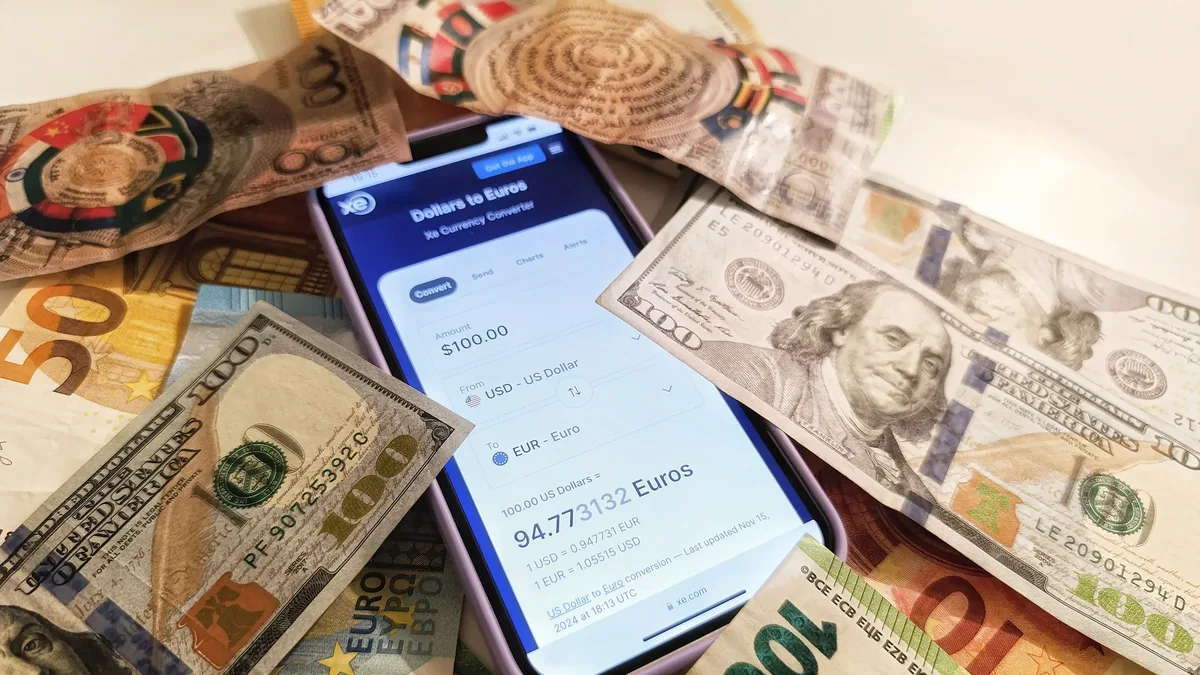
Stablecoins are privately issued digital assets designed to maintain a stable value relative to a reference asset like the US dollar. While still a small share of overall stablecoin turnover, real payment volumes are steadily growing, led by business-to-business transactions. The WTO report highlights their use for payments, remittances, and B2B deals as a way to address persistent frictions in traditional cross-border payment systems.
Opportunities for Efficiency and Inclusion
The core promise of stablecoins lies in improving the mechanics of international payments. They can help traders who face difficulties using traditional cross-border payment tools. For developing economies, the technology presents a significant opportunity. By improving small firms' access to digital transactions, stablecoins could support their greater participation in global trade.
WTO Director-General Ngozi Okonjo-Iweala emphasized this point. "More efficient cross-border payments have the potential to lower transaction costs, facilitate participation in international trade and improve access to global markets," she stated in the report's foreword. However, she cautioned that these benefits require supportive frameworks.
Limitations and Distinct Role
The report is clear that stablecoins have a specific and limited function in trade. Their main use is as a payments and settlement tool; they do not substitute for trade finance. They cannot replicate the credit, guarantee, and risk-mitigation functions that underpin merchandise trade. This distinction means their relevance differs across trade in goods and trade in services.
This functional limit shows that stablecoins are a piece of the financial infrastructure puzzle, not a comprehensive solution. They address payment speed and cost but not the broader financing needs that enable trade.
Significant Challenges to Overcome
Before broader adoption can occur, the report stresses that stablecoins face significant hurdles. These include regulatory, operational, and trust-related challenges. Their potential will depend not only on technical capabilities and interoperability across jurisdictions but also on the existence of appropriate governance frameworks.
For developing countries, the risks are pronounced. Limited supervisory capacity, weak digital infrastructure, inadequate consumer protection, and gaps in other financing measures may increase operational and financial risks. The opportunities can only be fully realized, as Okonjo-Iweala noted, "if they are accompanied by appropriate regulatory frameworks, interoperable payment infrastructures, and international cooperation that foster confidence, security and inclusion."
The report's launch was part of the WTO's World Trade and Tech Day on September 14. The event featured a keynote address by Bank for International Settlements General Manager Pablo Hernández de Cos, a presentation of the report's findings, and a high-level panel discussion on how stablecoins could support more efficient, secure, and inclusive international trade. The WTO hopes the analysis will contribute to discussions on harnessing technological innovation to make global trade more efficient, inclusive, and resilient.