Shipping assets attract long-term capital
Institutional investors are increasing allocations to shipping, drawn by high returns driven by Middle East conflict.
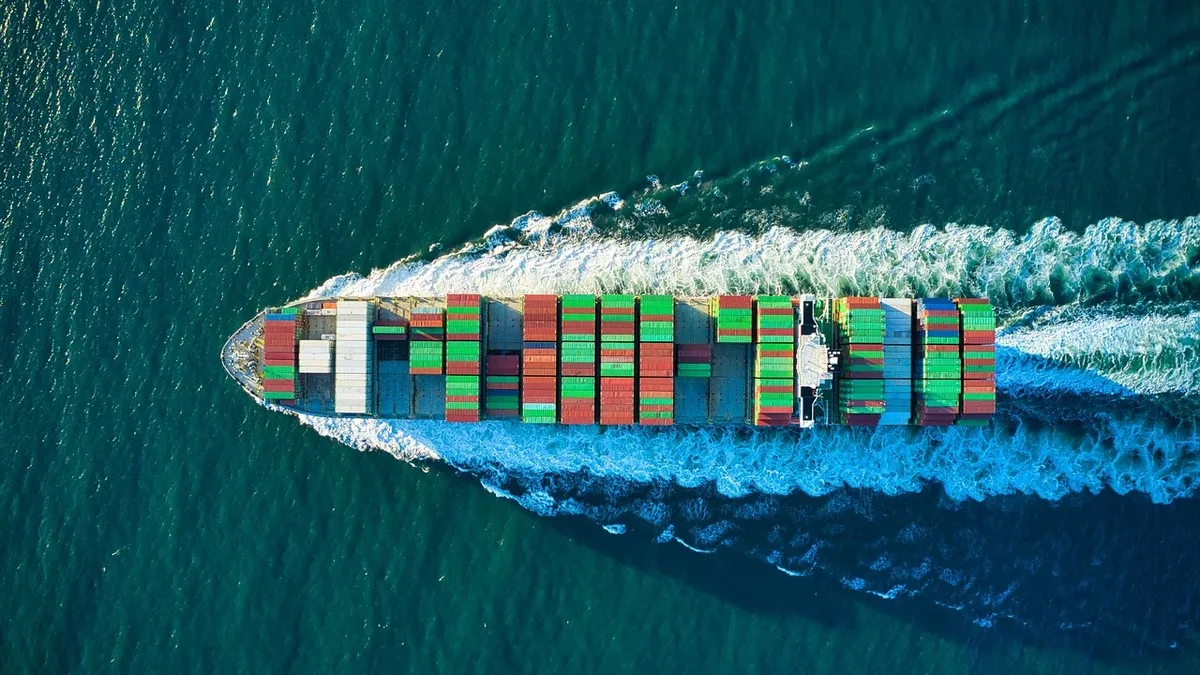
Institutional investors are pouring capital into global shipping assets. This surge is driven by elevated returns stemming from Middle East conflict and broader supply chain realignments.
Long-term holders like pension funds and private equity firms are now major players. They are buying vessels directly, moving beyond traditional fund structures. The sector's appeal lies in its tangible asset base and its direct link to volatile trade routes.
Geopolitics and supply chains fuel returns
Red Sea disruptions have forced longer voyages, tightening vessel supply. At the same time, global trade patterns are shifting. These factors have combined to create a highly profitable environment for ship owners. Investors see this as more than a short-term spike.
They view shipping as a structural play. It offers a hedge against inflation and geopolitical risk. The assets are physical, and demand is tied to fundamental global economic activity. This contrasts with more abstract financial instruments.
Capital moves from funds to direct ownership
The investment approach is evolving. Capital is increasingly moving on-balance-sheet. Firms like Carlyle and Apollo have made significant direct purchases in recent years. This signals a deeper, more committed form of exposure.
Major pension funds are following suit. They are building dedicated internal teams to manage these physical assets. The goal is to capture the full return profile and exercise direct control. The table below outlines recent notable investments by large institutions.
This trend marks a shift from the past. After the 2008 financial crisis, institutional capital largely retreated. Now, it is returning with a focus on hard assets and predictable income streams linked to global trade flows.
Sector seen as durable hedge
Analysts cited by the FT note the mindset change. Shipping is no longer viewed as purely cyclical and speculative. It is now framed as a portfolio stabilizer. The income generated is tied to real-world dislocation and demand.
Vessels are seen as a direct claim on global GDP growth and trade. In an uncertain macroeconomic climate, that link provides comfort. The assets cannot be replicated digitally and are essential for moving goods.
The capital influx is substantial and appears set to continue. As one investor stated, the appeal is the combination of high current yields and a long-term strategic position in global commerce. The final contracts for a series of new liquefied natural gas carriers were signed last month.