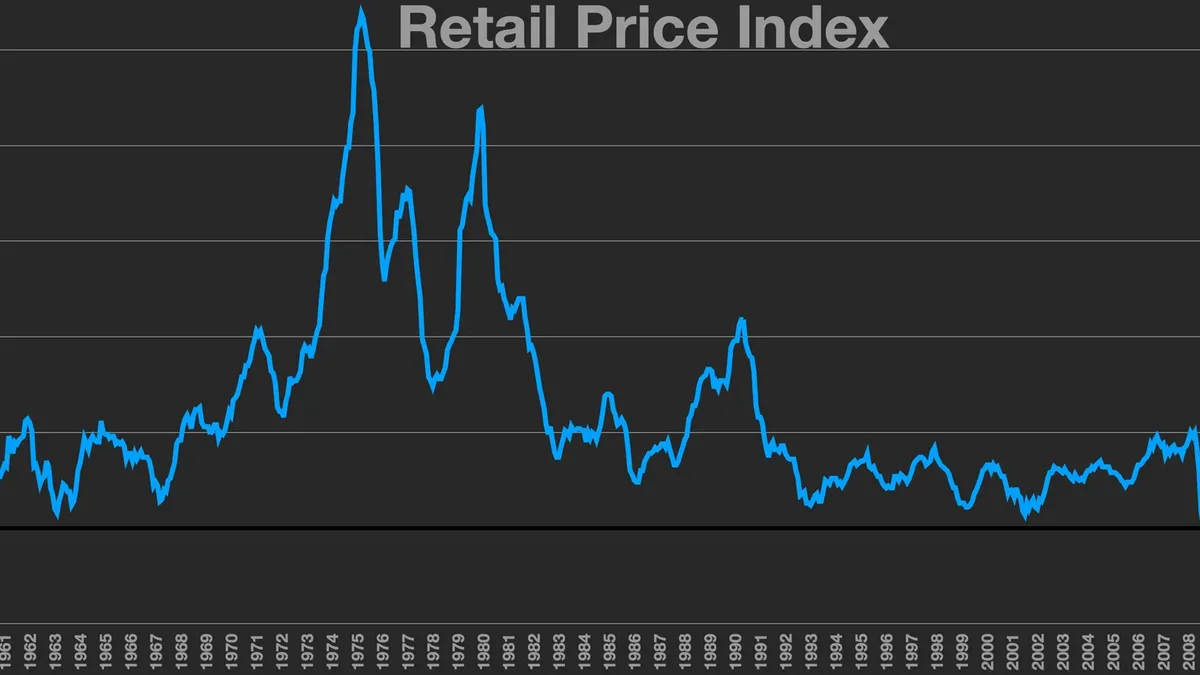
US CPI Inflation Surges on Energy Prices, Pressuring Fed
US inflation accelerated to 3.7% annually in September, driven by a sharp spike in energy and gasoline costs, reinforcing expectations for further Federal Reserve interest rate hikes.
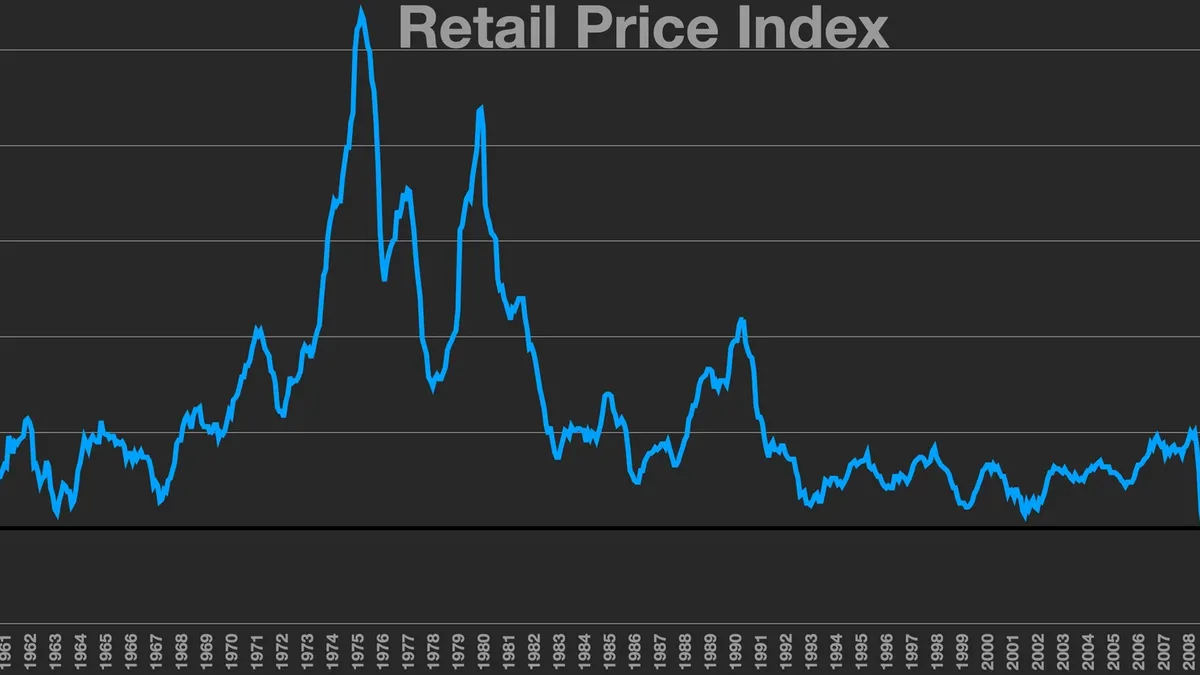
US consumer price inflation rose to 3.7% annually in September, the highest rate since March 2021. The increase was fueled by a sharp 5.2% jump in energy prices, with gasoline costs surging 9.1% for the month and a staggering 34.2% over the past year. Gasoline alone accounted for more than half of the monthly increase in the headline Consumer Price Index (CPI).
While some food items like milk saw prices fall by 2.0%, the overall picture was one of persistent price pressures. The annual inflation rate exceeded economists' expectations of 3.6%. This data release is the final major inflation report before the Federal Open Market Committee's policy meeting on October 27-28.
Core Inflation Remains Moderate
Stripping out the volatile food and energy categories provides a different view. Core CPI, which excludes these items, rose 0.3% in September, matching the increase seen in August. The annual core inflation rate held steady at 2.6%, slightly above estimates of 2.5%. This suggests underlying price pressures are more contained.
Within the core index, housing costs continued to climb but at a modest pace. Rent increased 0.2% for the month, while the owners' equivalent rent measure rose 0.3%.
Policy Implications and Market Expectations
The persistent overshoot of the Federal Reserve's 2% inflation target has solidified market expectations for further monetary tightening. Futures traders now see a better than 96% chance of at least one more rate hike before the end of the year. The odds of a hike specifically at the upcoming October meeting have risen to approximately 54%.
According to the CME FedWatch tool, traders are currently pricing in a 78.4% probability that the Fed will hold rates steady at the current range of 3.75% to 4.00% later this month. However, the broader consensus points to action soon. In their latest quarterly projections, 16 of 18 FOMC officials predicted at least one more rate increase this year.
Fed officials have expressed concern that prolonged geopolitical conflict could embed high energy prices into inflation expectations, even if they view the initial supply shocks as temporary. Additional price pressures are noted from existing tariffs and strong demand for goods related to artificial intelligence infrastructure. While several key policymakers have stated the central bank does not need to rush its next move, most anticipate another increase in 2023. The committee's last move was a quarter-point hike aimed at bringing inflation down toward its target. All eyes are now on the Fed's decision at the October 27-28 meeting.