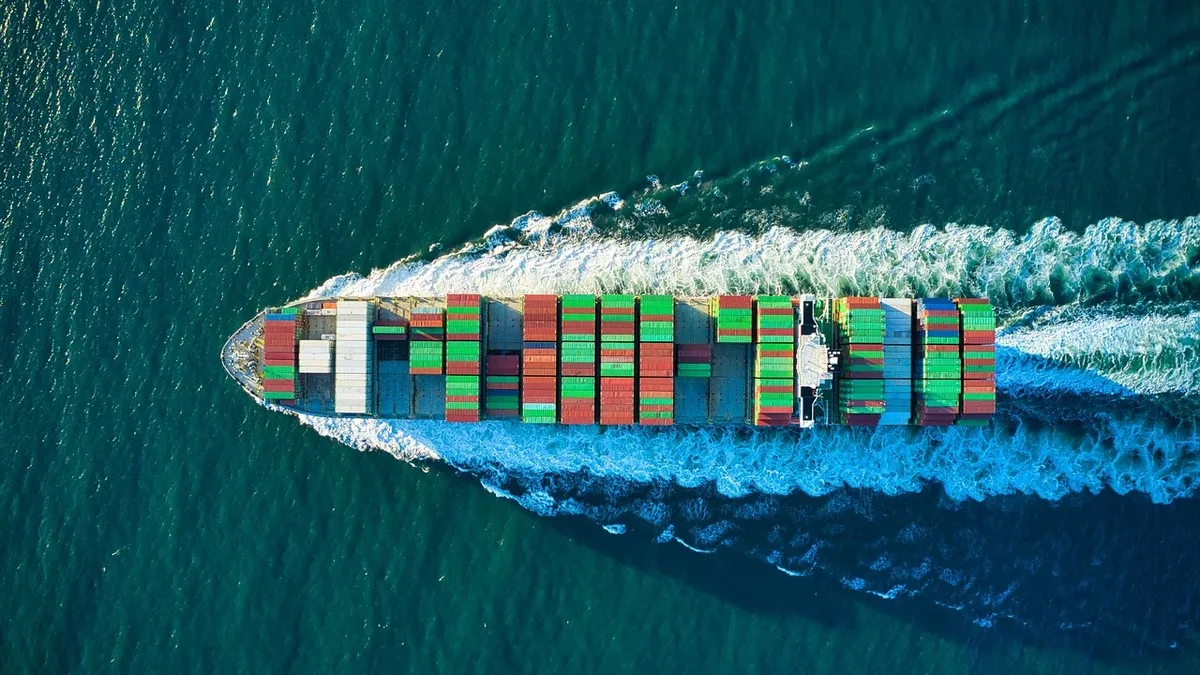
Ship transfers boost Hormuz oil flows
Oil shipments through the Strait of Hormuz have increased in recent days, reaching an estimated 15-16 million barrels daily, as producers use ship-to-ship transfers to sidestep Iranian threats, helping to stabilize crude futures prices.
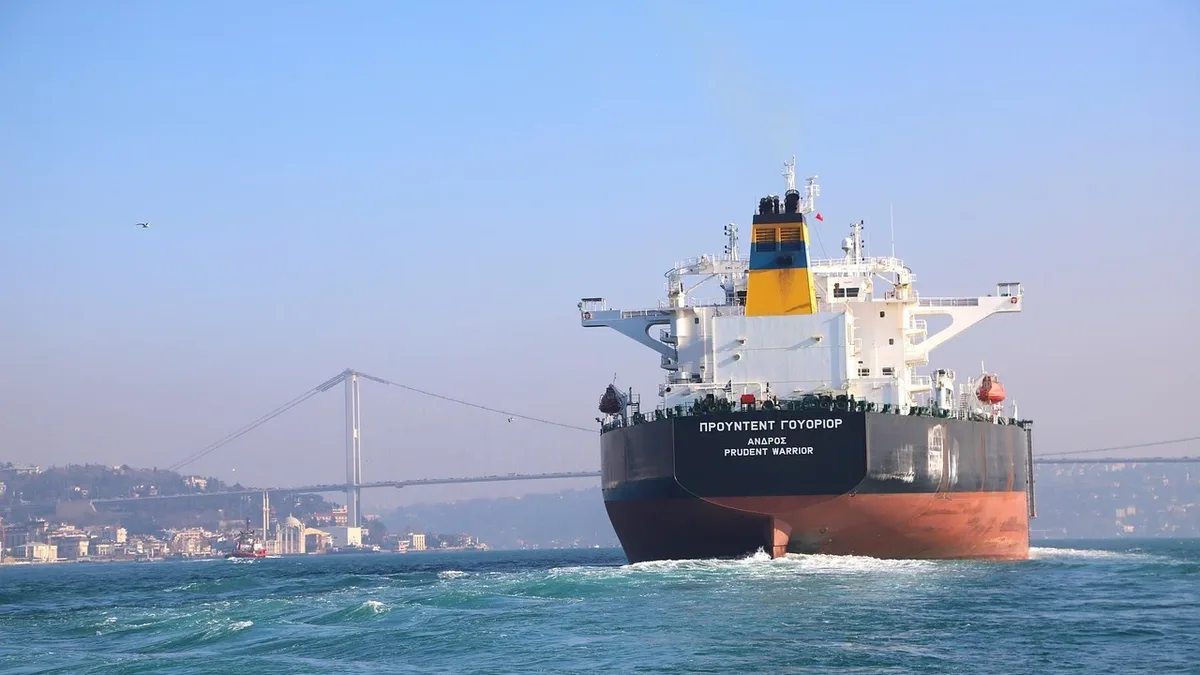
Oil flows through the Strait of Hormuz have increased in recent days. Middle Eastern producers are using ship-to-ship transfers to sidestep Iranian attacks and threats, helping to stabilize crude futures prices, according to a report from MarketWatch dated August 31, 2026.
How the transfers work
This logistical maneuver involves a relay. Shuttle tankers owned by state-controlled oil companies carry crude through the risky Strait of Hormuz into the Gulf of Oman. There, waiting tankers from buyers like Asian refiners receive the oil via ship-to-ship transfers before sailing to final destinations. Buyers pay a premium for this service.
Revised flow estimates
Kpler recently incorporated these transfers into its estimates, leading to an upward revision. The firm's unconfirmed estimates suggest Persian Gulf oil flows reached as much as 15 million barrels per day in mid-August. Analysts at Goldman Sachs, using a different methodology combining Kpler data with other sources, arrived at slightly higher figures.
Their estimates for Persian Gulf exports of oil and oil products are presented in the table below.
| Period | Estimated Export Volume (Million Barrels Per Day) |
|---|---|
| Pre-war levels | About 21 |
| March trough | About 9-10 |
| Mid-August 2026 | 15-16 |
Goldman Sachs noted this represents a significant recovery from a low point in March but remains below pre-conflict levels. The analysts said the use of ship-to-ship transfers and "dark" transits-where ships turn off GPS signals-shows producers are adapting and pricing in disruptions likely to continue well into 2027.
Military and market context
U.S. officials reportedly told Axios that Iran has lost much control over the strait and that dozens of empty Very Large Crude Carriers (VLCCs) wait in the Gulf of Oman for cargo. Producers are also moving more oil via pipelines to the Red Sea, expanding total export capacity. Despite the increased flows, transits through the Strait of Hormuz remain subdued, at about 8 million barrels a day for total petroleum liquids versus a pre-war level of about 21 million.
Fighting flared around the strait over the weekend, boosting crude futures on Monday. Both West Texas Intermediate and Brent crude oil futures rose nearly 3%.