Physical AI aims to revive US manufacturing
The Financial Times reports on the emerging field of 'physical AI', where artificial intelligence is integrated into robots and machinery, with proponents arguing it could boost productivity, fill labor gaps, and make US manufacturing more competitive.
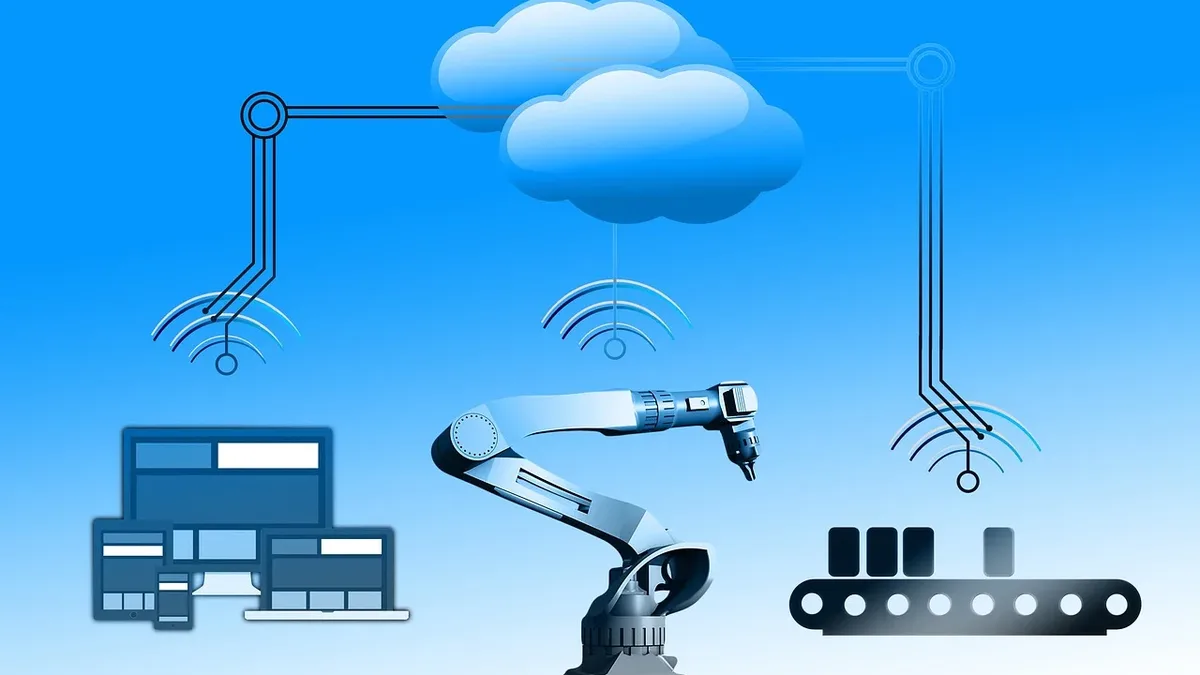
The Financial Times examines the potential of 'physical AI' to transform US manufacturing. This concept involves embedding artificial intelligence directly into robots and industrial equipment to make them more adaptive and capable.
Proponents of the technology argue it could address critical challenges facing American factories. They claim it can boost productivity, fill persistent labor gaps, and help domestic production compete more effectively on cost, potentially altering the broader industry standings. The integration aims to move beyond simple automation to create systems that can perceive, learn, and react to complex physical environments.
The technology shift
The development represents a significant shift from software-based AI. Instead of algorithms analyzing data on screens, physical AI gives machines a body and the intelligence to control it in the real world. Advocates suggest this could lead to robots that handle delicate assembly tasks, manage unpredictable supply chain logistics, or perform quality inspections with human-like perception, generating new categories of performance stats.
Economic and strategic drivers
The push for physical AI is partly driven by broader economic and geopolitical trends. Supply chain disruptions and a desire to reduce dependence on overseas manufacturing have renewed focus on reshoring production to the United States. Proponents believe that by making factories smarter and less reliant on scarce human labor, physical AI could make domestic manufacturing more viable.
One supporter quoted by the FT stated the technology's promise concisely, saying it "could be the key to rebuilding our industrial base."
Implementation challenges
Despite the optimism, significant hurdles remain before physical AI becomes widespread. The technology is complex and integrating sophisticated AI into robust, safe machinery is a major engineering challenge. High initial costs for development and deployment could be a barrier for many companies. Furthermore, the workforce needs to adapt, requiring new skills to operate and maintain these advanced systems.
The competitive landscape
The report indicates that development is not limited to one company or region. Various firms and research institutions across the US are actively working on different aspects of physical AI, from advanced robotic grippers to AI-driven production line optimizers. The ultimate impact on manufacturing competitiveness, job creation, and economic growth remains a subject of ongoing debate and observation. The story concludes by noting the technology is still in its early stages, with its promise yet to be fully proven in large-scale industrial settings.