MENA mobile economy to hit €421 billion by 2030
The Middle East and North Africa's mobile economy is projected to reach €421 billion by 2030, having generated €340 billion in value and supported 2.2 million jobs in 2025, as 5G expansion accelerates amid a persistent digital divide.
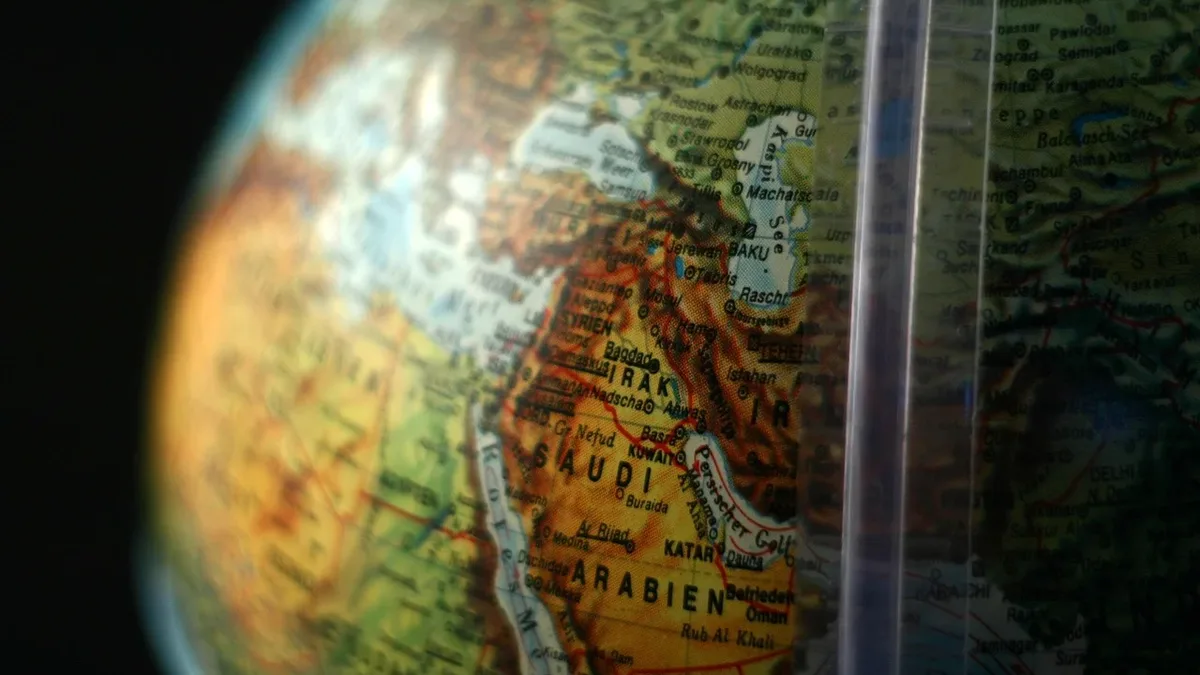
Mobile technologies and services generated €340 billion in economic value and supported 2.2 million jobs across the Middle East and North Africa in 2025. The sector's contribution to public finances reached €35.8 billion that same year, with the broader mobile economy projected to grow to €421 billion by 2030.
5G adoption accelerates across MENA markets
Commercial 5G services are now live in 17 of the region's 24 markets. Connections are expected to surge from 67 million in 2025 to nearly 350 million by 2030. This expansion was a central theme at the MWC26 Doha event, which coincided with the International Telecommunication Union's Plenipotentiary Conference for the first time.
Qatar's Minister of Communications and Information Technology, Mohammed bin Ali Mannai, highlighted the growing demands artificial intelligence is placing on network infrastructure. To support this growth, the GSMA projects operators will invest around €80 billion across the region between 2025 and 2030.
Digital divide persists despite network coverage
Despite widespread network build-out, a significant portion of the population remains excluded. While 48% of the MENA population used mobile internet in 2025, 49% were offline despite living within areas covered by mobile networks. This gap shows a critical challenge for inclusive economic growth.
GSMA Director General Vivek Badrinath acknowledged the industry's shortcoming in making connectivity affordable for the poorest. He noted that rising RAM prices, fueled by AI demand, have made low-cost smartphones priced around $50 largely unattainable.
Cross-sector collaboration addresses inclusion challenges
Addressing the digital divide requires targeted efforts. Abeer Shakweer, Assistant Resident Representative and Inclusive Growth and Innovation Team Leader at UNDP Egypt, identified women, persons with disabilities, remote rural populations, and vulnerable youth as the groups most at risk of being left behind.
Fintech innovation is one pathway to inclusion. Ooredoo Fintech, which operates in Tunisia, Oman, the Maldives and Qatar, holds more than 20% of Qatar's international remittance market share. In the Maldives, it became the first fintech company to let gig workers receive payments in US dollars via a PayPal partnership.
Meanwhile, AI development is attracting major investment for cross-sector applications. SandboxAQ CEO Jack Hidary said quantitative AI methods can help address complex problems in biomedicine, energy and financial services. The company recently received a €449 million research and development award from the US Commerce Department focused on batteries, magnets and semiconductor manufacturing.
Vivek Badrinath emphasized that progress is meaningful only when everyone shares in it.