Spain forces olive oil market withdrawal to halt price decline
Spain is holding back 12% of its olive oil production from November 2026 to regulate supply and support prices.
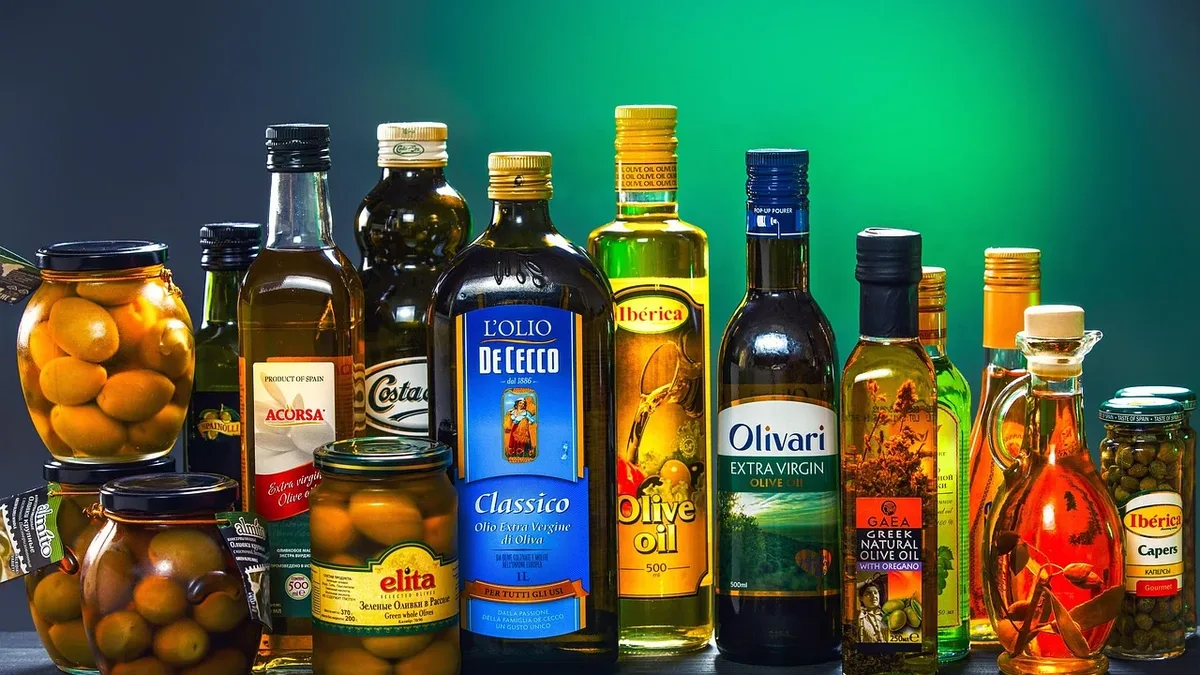
Spain is removing 188,000 tonnes of olive oil from the market to prevent further price declines. The world's biggest olive oil producer and exporter is implementing a forced withdrawal under a 20% threshold condition triggered by a strong harvest forecast and high opening stocks.
Spain accounts for about 45% of global olive oil production and 70% of EU production. Opening stocks stood at 357,040 tonnes and production is forecast to reach 1,602,596 tonnes for the 2026/27 season. This represents a 23% increase from the previous season and would be the country's fourth-largest harvest on record. Combined with existing stocks, the total volume of 1.96 million tons exceeds 120% of the average of the two most productive seasons over the last six years. The volume comprised 1.602 million tons of production and 357,000 tons of carryover.
Government mandates 12% production storage requirement
Spain ordered olive oil mills to store 12% of their production from November 2026. Producers must hold back 12% of their 2026/27 season output in storage until September 30, 2027. The withdrawal targeted 188,000 tons, or 12% of the current campaign's total volume. The measure applies to monthly reported production and excludes October and earlier months.
The stored oil must remain off the market until 30 September 2027. Mills can store oil at their own facilities or at third-party sites. The decision was published in Spain’s Official State Gazette (BOE). Spain's Ministry of Agriculture implemented a forced withdrawal of olive oil from the market for the first time. The measure does not involve reducing production or destroying stocks, but mandates storage for a specified period.
Market price pressures and industry consolidation
Procurement prices fell sharply as production recovered. Spanish producers received about €3 per kilo for extra virgin olive oil in early November, down from around €4 per kilo a year earlier. The Unión de Pagesos union reported the economic viability of farms was threatened by these low procurement prices. Retail prices, however, remained near 10 euros per liter.
This disconnect was attributed to supermarkets selling through inventories acquired at peak prices during a drought three years ago. Spain experienced severe drought and heatwaves in the 2022/23 and 2023/24 seasons, reducing harvests and pushing prices to record highs. The recovery in production is gradually changing the market's supply-demand balance.
Concurrently, a major industry consolidation is underway. Dcoop and Acesur agreed to buy Deoleo Holding, a subsidiary of Deoleo. The deal values Deoleo Holding at €520mn, including debt.
| Deal Component | Detail |
|---|---|
| Stake Acquired | 91.99%, including Deoleo’s entire 50.99% holding |
| Potential Final Stake | 100%, if remaining shareholders join |
| Buyer Stakes | Acesur stated the two buyers plan to take equal stakes |
| Share Price Reaction | Deoleo shares closed 21.1% lower on Thursday after the announcement |
Regulatory challenges and market impact
The forced withdrawal faced criticism from Spain's National Commission on Markets and Competition (CNMC). Juan José Ganuza, head of the CNMC, criticized the measure in an October report, stating it could undermine market competition and block consumer price reductions.
The major acquisition also faces hurdles. The deal requires regulatory approvals and a vote by listed Deoleo’s shareholders.