Strait Of Hormuz
| Location | Between the Persian Gulf and the Gulf of Oman |
|---|---|
| Length | Approximately 167 kilometers (104 miles) |
| Width | Varies from about 39 to 97 kilometers (24 to 60 miles) |
| Bordering states | Iran (north), Oman (south), United Arab Emirates (southwest) |
| Strategic importance | Only sea passage from the Persian Gulf to the open ocean |
| Traffic separation scheme | In place for inbound and outbound vessels |
| Key historical entity | Kingdom of Ormus (10th–17th centuries AD) |
Origin and history
The Strait of Hormuz is a natural waterway formed by the tectonic separation of the Arabian Plate from the Iranian Plate, a geological process occurring over millions of years. The strait's name likely derives from the nearby Iranian island of Hormuz, with theories suggesting origins in the Persian term 'Hur-Mogh' meaning 'Place of Dates' or from the name of the Zoroastrian god Hormoz. The waterway is documented in ancient maritime guides like the 1st-century Periplus of the Erythraean Sea, though not by its current name. Its contemporary role as the world's primary oil transit chokepoint was cemented following the rapid expansion of energy exports from Gulf nations in the post-World War II era.
What it is for
The Strait of Hormuz functions as the only viable sea passage connecting the Persian Gulf to the open ocean via the Gulf of Oman and the Arabian Sea. Its primary economic function is to facilitate the global transit of energy resources, specifically seaborne crude oil and liquefied natural gas (LNG), from producer nations to consumer markets worldwide. The waterway is an indispensable conduit for the maritime trade of several Gulf countries, including Iraq, Kuwait, Bahrain, Qatar, and the United Arab Emirates, which lack alternative export routes for bulk hydrocarbon cargoes. It enables the flow of petroleum products to major economies in Asia, such as China, Japan, and India, and remains critical for Europe's energy supply. Beyond hydrocarbons, the strait also supports the passage of containerized goods, dry bulk commodities, and other general cargo moving to and from Gulf ports, integrating the region into global supply chains. The navigation through the strait is managed by a Traffic Separation Scheme (TSS) to organize vessel traffic and mitigate the risk of collisions in the confined waters.
Pros and cons
A primary advantage of the Strait of Hormuz is its irreplaceable role in enabling efficient, large-scale maritime export for the hydrocarbon-based economies of the Persian Gulf, providing them with direct access to global markets. The established shipping lanes and traffic management scheme allow for the predictable and high-volume transit necessary to meet global energy demand. However, its status as a single-point failure creates extreme systemic risk for the global economy, where any disruption can cause immediate oil price spikes and supply shortages. A significant con is the persistent vulnerability to regional political instability and military conflict, as evidenced by historical threats to shipping and the potential for blockades. Nations dependent on these transit routes, particularly those in Asia and Europe, often regret the lack of diversification and are forced to maintain costly strategic petroleum reserves and naval patrols as mitigation. A common mistake in economic planning is underestimating the strait's vulnerability to non-state actors or asymmetric naval tactics, which can threaten shipping without a full-scale military closure, thereby insuring against this risk is a major cost for commercial shippers.
Who it suits
The Strait of Hormuz primarily suits the petroleum-exporting nations of the Persian Gulf that possess no alternative seaborne export routes, making its uninterrupted operation a paramount national security interest for countries like Saudi Arabia, Iraq, and the UAE. It also suits major energy-importing economies with the naval capability to project power and help secure the waterway, such as the United States and, to a growing extent, China and India, which have a direct stake in flow stability. The arrangement suits global oil traders and large energy companies that rely on the predictable, low-cost transport corridor to move commodities from wellhead to refinery. Conversely, it does not suit landlocked Caspian Sea energy producers or exporters from other regions who may benefit competitively from any Hormuz disruption. The current governance, split between Iranian and Omani territorial waters, suits those two coastal states by granting them significant legal and strategic leverage over global trade flows. Ultimately, the configuration suits any entity that benefits from the status quo of concentrated, efficient energy transit, despite the inherent concentration risk, as the costs of developing alternative overland pipelines or shipping routes have historically been prohibitive.
Latest Strait Of Hormuz news
Latest reporting

QatarEnergy secures $3bn Chinese loan for LNG expansion
QatarEnergy has obtained a $3 billion loan from Chinese state banks to fund its North Field East liquefied natural gas expansion, aiming to boost...
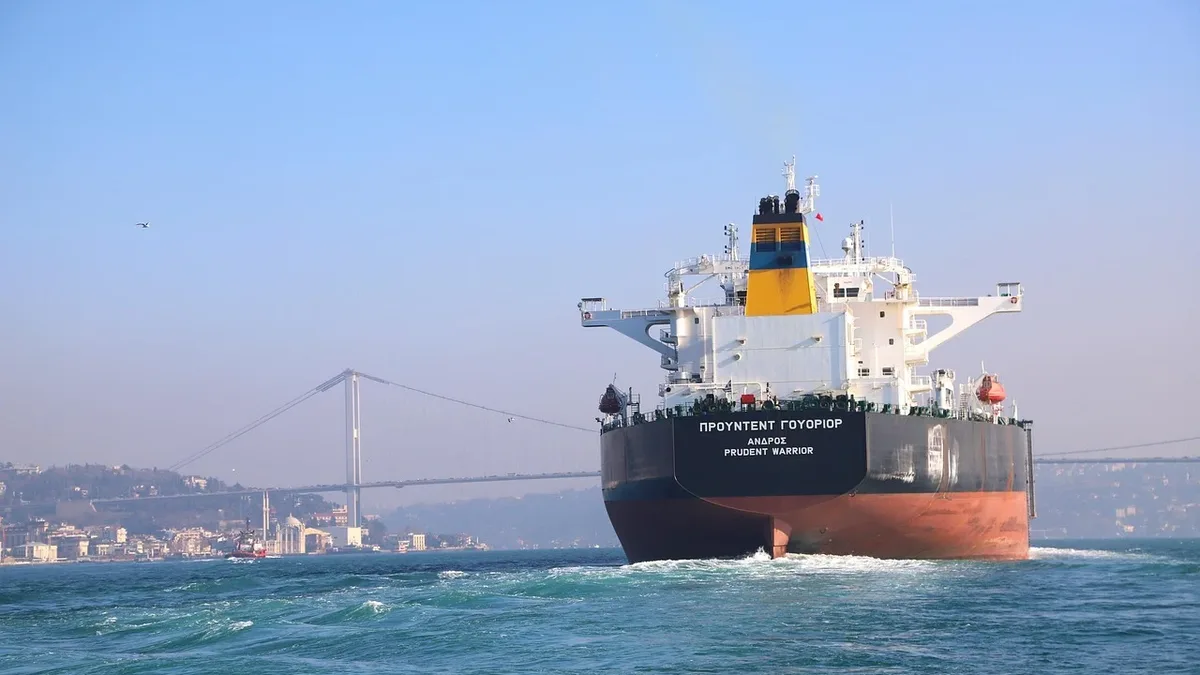
Ship transfers boost Hormuz oil flows
Oil shipments through the Strait of Hormuz have increased in recent days, reaching an estimated 15-16 million barrels daily, as producers use...