EU caps Chinese hybrid car imports amid €1bn daily trade gap
The EU will limit Chinese hybrid car imports to 350,000 units annually for four years, a move that fails to address its massive daily trade deficit with China. New tools including a 'kill switch' to cut market access aim to rebalance trade and diversify strategic supply chains.
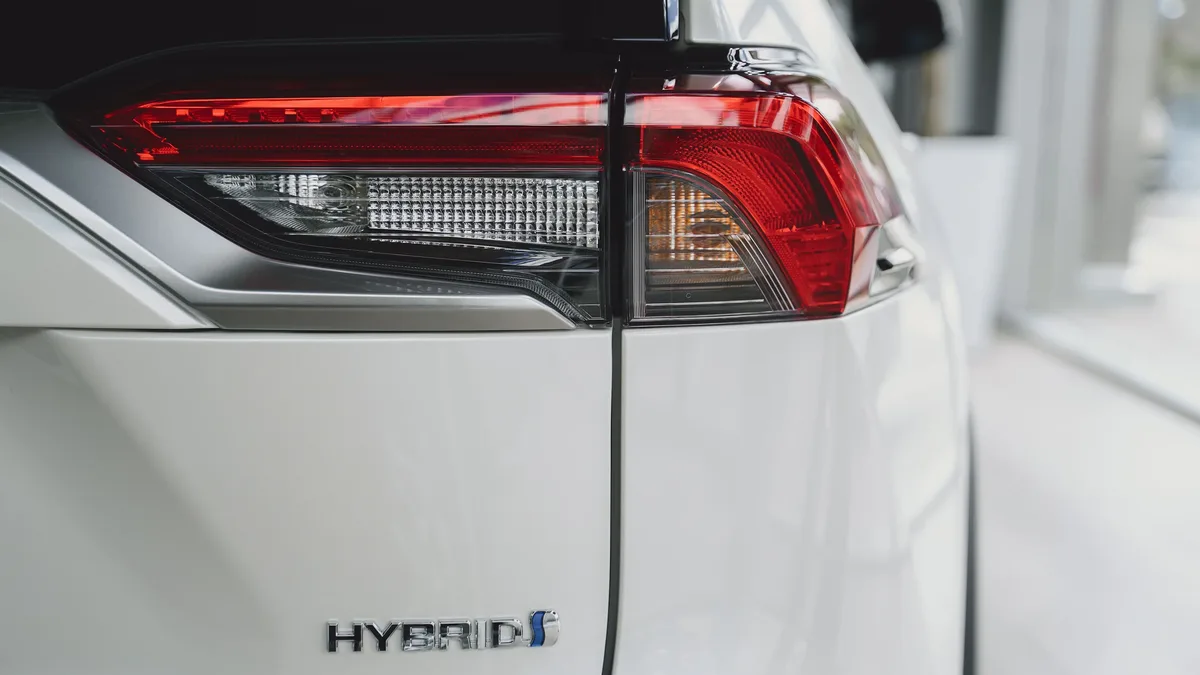
The European Union has agreed to cap imports of Chinese hybrid cars at 350,000 units per year for four years. This deal, reached on 9 October, is a direct response to a record trade deficit with China that exceeds €1 billion every day. EU Trade Commissioner Maroš Šefčovič described the bloc's approach as walking a tightrope in its negotiations with Beijing.
The import agreement includes a 6% annual adjustment rate. It is designed to curb inbound shipments of these vehicles. The measure will not, however, fix the fundamental structural imbalance in EU-China trade.
Trade deficit pressure and sectoral risks
The EU's goods trade deficit with China is running at more than €1 billion, or $1.12 billion, per day. Commissioner Šefčovič has warned that entire industrial sectors are under threat from Chinese competition. He noted that national leaders are deeply concerned about the potential for heavy job losses across the continent.
Chinese exports to the EU have surged by 25% over the past year, according to Chinese customs data. This flood of goods has intensified pressure on European policymakers to act decisively.
Technical talks and political timeline
A new round of technical discussions with Beijing is underway and will continue until the end of this year. More substantive political talks are then scheduled for January and March of 2027. This timeline establishes a clear policy window for the EU to develop and implement its new defensive tools.
Kill switch tool and supply diversification
EU leaders have given the European Commission a political mandate to develop a radical 'kill switch' tool. This mechanism would allow the bloc to cut off China's market access in the event of severe economic pressure. France and Germany were key proponents of this measure. A formal proposal for the kill switch is expected the same week as the hybrid car announcement, ahead of a summit of EU leaders in December.
Separately, the Commission plans to present a new instrument on 9 October to encourage EU companies to diversify their suppliers of strategic products away from China. French President Emmanuel Macron has specifically urged a focus on measures for chemicals, plastics, and ferro-alloys. In December, the Commission will also propose a broader instrument to limit EU companies' reliance on single sources for certain critical supplies.
Coercion response and broader trade defence
Alongside these measures, the Commission will propose a solidarity mechanism. This is intended to help member states or economic sectors that face coercion or retaliation from outside the EU. The bloc is also preparing a unilateral trade defence measure targeting Chinese chemicals and industrial machinery, which could be introduced in December.
EU leaders, including Commission President Ursula von der Leyen, have publicly supported the need for robust action. The trade ministers met in Ireland to discuss the strategy before these statements were made. The EU will present the kill switch instrument ahead of the December summit, aiming to curb Chinese market access and support the diversification of strategic supplies.