Euro zone inflation hits 3.3%, ECB hike seen
Eurostat reports euro zone inflation jumped to 3.3% in August, driven by energy costs, making an ECB interest rate increase highly probable next week.
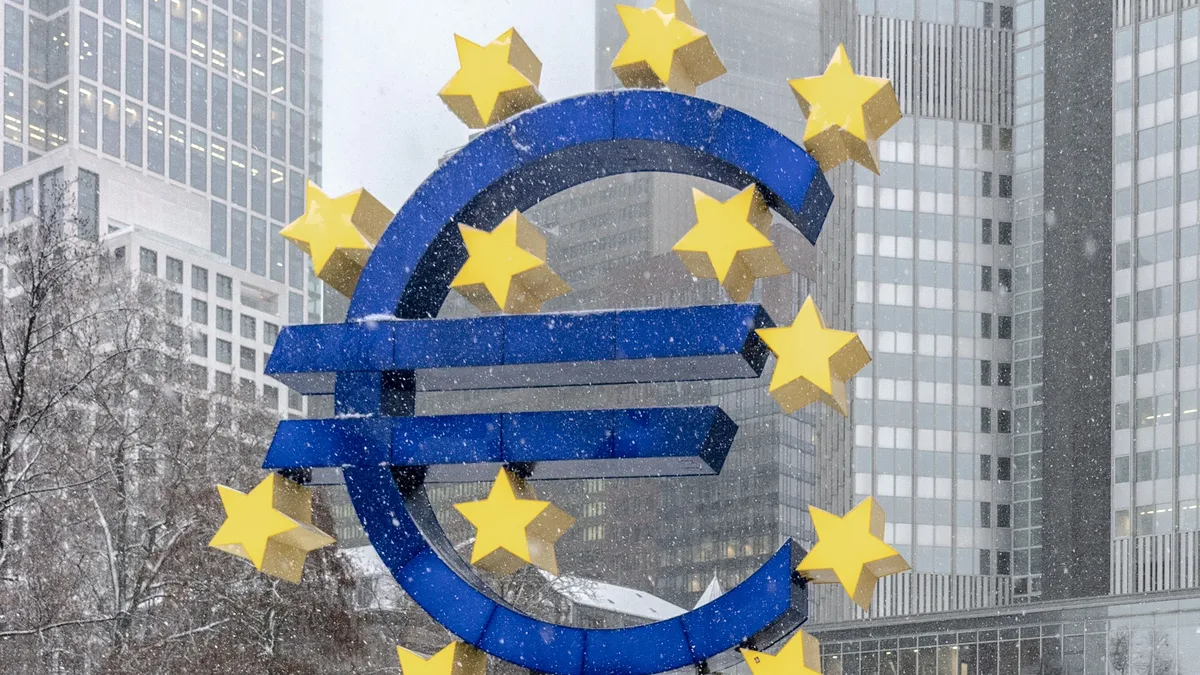
Euro zone inflation accelerated to 3.3% in August, breaching the 3% threshold for the first time since September 2024. The surge, driven by soaring energy prices, has traders overwhelmingly expecting the European Central Bank to raise interest rates at its upcoming meeting.
According to a flash estimate from statistics office Eurostat, headline inflation rose from 2.9% in July. The energy component of inflation saw a sharp acceleration, climbing to 14.3% from 10.3% the previous month. The euro area is a net importer of energy.
Inflation components diverge
While headline inflation surged, the core measure told a different story. Core inflation, which excludes volatile energy, food, alcohol, and tobacco prices, dipped slightly to 2.4% from 2.5% in July.
The primary driver of the price pressures is the conflict in Iran and the blockage of the Strait of Hormuz. These events have ramped up the cost of crude oil and refined products. Europe has faced particular disruption in its natural gas market.
Market bets on ECB action
Financial markets have locked in expectations for a policy response. Pricing data from LSEG on Tuesday morning indicated a 98.9% probability of a 25 basis point interest rate hike at the ECB's September 10 meeting. This would lift the key rate to 2.5%.
The ECB last moved rates in June, raising its key rate to 2.25%. That was its first hike since 2023, a response to global inflationary pressures stemming from the Iran conflict.
The central bank's dilemma
Economists warn the ECB faces a difficult balancing act. Joe Nellis, head of economic research at MHA, said the central bank will be wary that short-term inflation pressures could become structural, feeding into wages and services inflation.
In emailed comments, Nellis outlined the trade-off. "The ECB faces a dilemma: a trade-off between higher interest rates and economic cost," he stated. He warned that higher borrowing costs will continue to squeeze heavily indebted households, weaken housing markets, and make investment more expensive for businesses.
Nellis highlighted a specific risk for smaller firms. "For SMEs in particular, another increase in financing costs could mean investment plans being indefinitely postponed or abandoned altogether." The prospect of higher rates delivers a second blow to businesses already grappling with elevated energy costs.
| Inflation Measure | August Rate | July Rate |
|---|---|---|
| Headline Inflation | 3.3% | 2.9% |
| Energy Inflation | 14.3% | 10.3% |
| Core Inflation | 2.4% | 2.5% |
The market-implied probability for a 25 basis point hike on September 10 stood at 98.9% according to LSEG data.