July CPI Report: Inflation Remains Above Target, But Shows Signs of Easing
The July consumer price index report shows inflation rising 0.1% for the month, with an annual rate of 3.4%, and core readings of 0.2% and 2.5%.

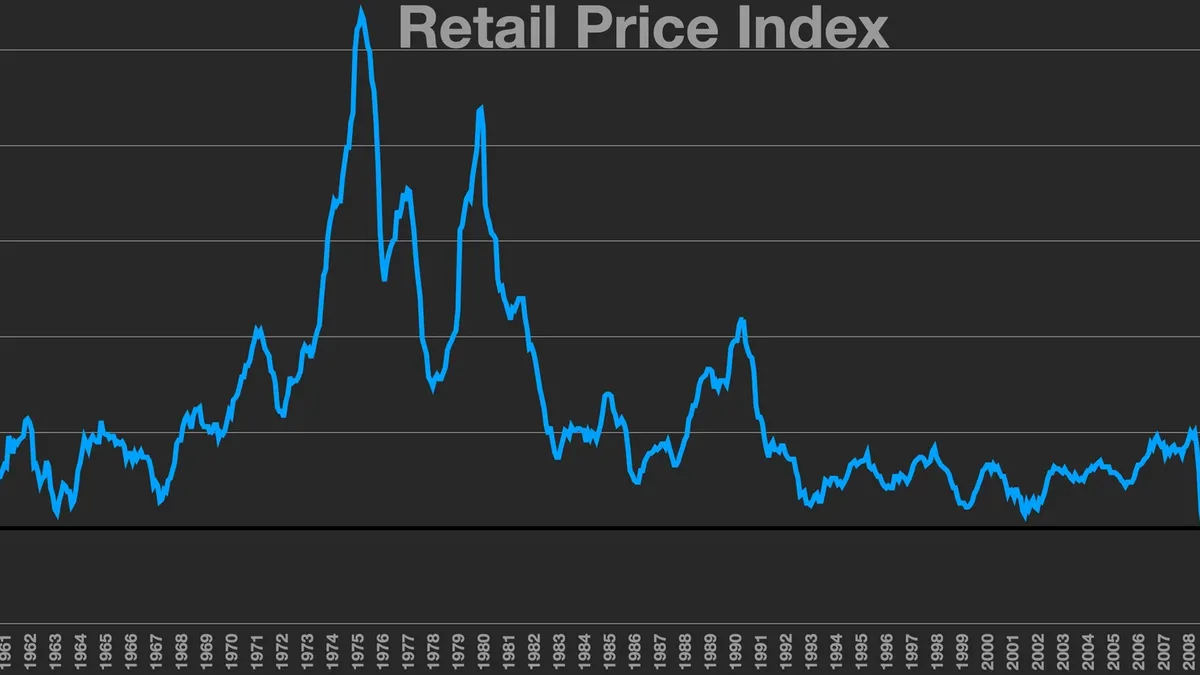
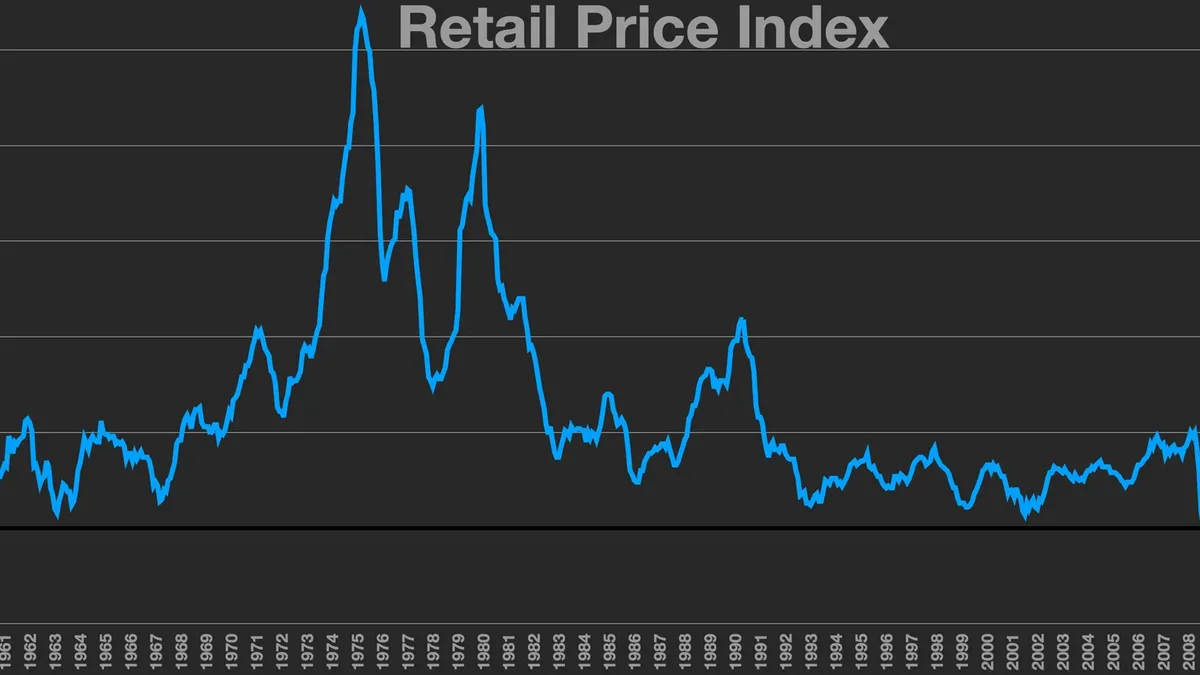
The latest consumer price index report from the Bureau of Labor Statistics has provided some relief for traders, as the July readings came in largely as expected. The consumer price index rose 0.1% for the month, putting the annual rate at 3.4%, while core readings were 0.2% and 2.5%. These numbers have helped to feed a narrative that inflation, although still a problem, may be easing after two consecutive months of benign readings.
Key Takeaways from the Report
The report highlights several key points, including the fact that the consumer price index is still above the Federal Reserve's 2% target. The easing in the CPI energy index, which is down 7% from its May historical peak, has contributed to the moderations in June and July. However, crude oil has jumped 10% over the past week, posing upside risks for the August CPI reading.
Inflation Drivers
A key driver of inflation has been shelter, which comprises about one-third of the CPI weighting. The shelter index has risen just 0.1% in the past two months, providing some hope. However, much of this decline has been due to sharp drops in the "lodging away from home" category, while owners' equivalent rent has held fairly steady. According to some analysts, core inflation is now running at levels similar to those prior to the turmoil in the Middle East, suggesting that inflation outside of food and energy may be heading back to target.
Market Reaction
Traders have taken the benign core number and combined it with last Friday's weak nonfarm payrolls report to substantially lower the odds for a rate hike at the Fed's September policy meeting. The market is now pricing in just a 38% chance of a move, down 10 percentage points from Tuesday. Some economists, such as Dan North, senior economist at Allianz Trade North America, believe that this makes life easier for the Fed, as there is less pressure for a hike. Others, like Stephen Juneau, U.S. economist at Bank of America, are sticking with their base case of 75 basis points of hikes this year, but acknowledge that the risks of delayed or cancelled hikes have increased.