Dell reports $60.9B in AI server orders
Dell Technologies reported a massive surge in AI server demand, booking $60.9 billion in orders and generating $16.4 billion in revenue for its July
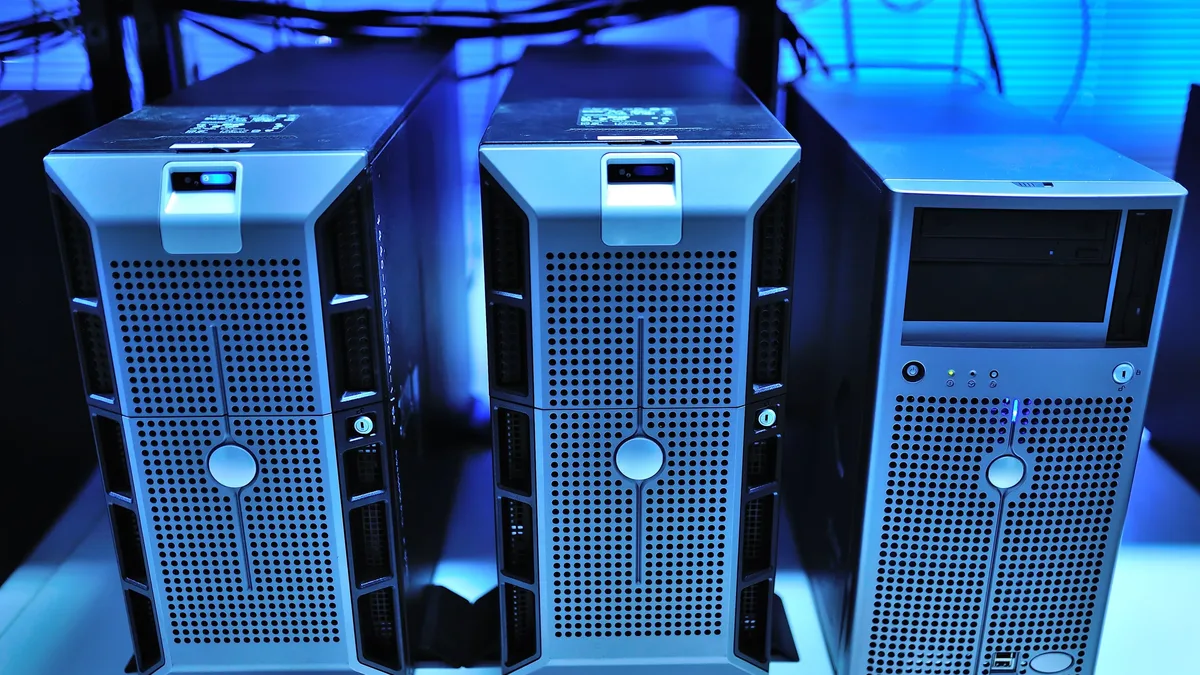
Dell Technologies announced stellar quarterly results on Tuesday, September 1, 2026, driven by explosive demand for its artificial intelligence servers. The company's AI server business booked $60.9 billion in orders and saw $16.4 billion in revenue during the July quarter, a figure that doubled from the same period a year ago.
According to the company's earnings report, Dell exited its second fiscal quarter of 2027 with a staggering $95 billion in backlog for its products. This represents a substantial increase from the $51.3 billion backlog reported in its previous earnings statement. Dell manufactures AI-optimized data-center servers that support chips from companies like Nvidia, serving a diverse customer base that includes neocloud providers, enterprises, and sovereign governments.
Financial Performance Breakdown
The tech giant's overall revenue for the quarter reached $47 billion, marking a 58% increase year-over-year and surpassing analyst expectations of $44.9 billion. Adjusted earnings per share came in at $7.04, far exceeding the FactSet consensus estimate of $4.91 and representing a 203% growth from the prior year.
Chief Operating Officer Jeff Clarke stated that IT environments have shifted from cost centers to value drivers. "Customers are investing accordingly, creating opportunity across our portfolio," he said.
| Metric | July Quarter 2026 Performance | Year-Over-Year Growth |
|---|---|---|
| Total Revenue | $47 billion | +58% |
| Adjusted EPS | $7.04 | +203% |
| AI Server Revenue | $16.4 billion | +100% |
| Traditional Server & Networking Revenue | $10.5 billion | +122% |
| Storage Revenue | $4.9 billion | +26% |
| Client Solutions (PC) Revenue | $15 billion | +20% |
Raised Outlook and Market Reaction
Buoyed by the strong performance, Dell's management significantly raised its financial guidance for the full fiscal year 2027. The company now expects revenue of $192 billion, up from a previous forecast of $167 billion. This new target implies year-over-year growth of 70%. The outlook for adjusted earnings per share was also raised to $25.50, which would represent a 148% increase from the prior fiscal year.
For the upcoming October quarter, Dell provided guidance of $6.50 in adjusted earnings per share and $49 billion in revenue. Both figures beat current analyst estimates of $4.46 for EPS and $41.4 billion for revenue.
The company's stock fell nearly 7% during Tuesday's regular trading session but rallied 8% in after-hours trading following the earnings release. So far in 2026, Dell's stock is up 238%.
Broader Business Segments and AI Forecast
Beyond its core AI server business, other segments also showed robust growth. Dell's traditional data-center server and networking segment revenue grew 122% to $10.5 billion, driven largely by enterprise customer demand for central processing units. The company's storage business, noted as its most profitable segment, saw revenue increase 26% to $4.9 billion. The client solutions group, which includes personal computers, recorded revenue of $15 billion, a 20% rise.
On its earnings call, Dell executives projected that AI would constitute 75% of all data-center demand by the end of the decade. The company sees a total opportunity exceeding $1 trillion from compute deployments across its customer segments in that timeframe.
Analyst commentary included in the source report suggested further potential catalysts. Mizuho analyst Vijay Rakesh noted that Dell could benefit from "meaningful demand" linked to Nvidia's recent announcement of a $500 billion financing platform for AI data-center buildout. He also cited potential upside from SpaceX's plan to deploy up to 10 gigawatts of computing power by the end of 2027, given Nvidia's exclusive hardware partnership with SpaceX and its existing collaboration with Dell on enterprise-grade servers.