Russia dismisses top economist after warnings of economic and social crisis
Russia has fired a prominent economist who warned of economic strain and social crisis due to the prolonged war in Ukraine, while officials maintain the economy remains resilient despite sanctions.

Russian authorities have dismissed Andrei Klepach, the former chief economist of state-controlled development bank VEB, after he warned that Russia could not sustain a prolonged war with Ukraine and risked a major social crisis. The move highlights the Kremlin’s intolerance of dissenting economic views amid the ongoing conflict.
Klepach, a former deputy economy minister, was reportedly fired following a speech in May where he stated that Russia’s costs were mounting and that the country would not win a war of attrition. He predicted economic stagnation and social unrest, though he did not foresee a complete economic collapse.
The Russian embassy in the U.K. defended the country’s economic position, claiming its fiscal health was stronger than many Western economies. It cited Russia’s foreign public debt of around $57 billion, which it said was far lower than the debt servicing costs of the U.S., U.K., Italy, or France.
Russia’s economic resilience amid sanctions
Russian officials argue that Western sanctions have failed to cripple the economy. Instead, they claim the West has suffered more, with British businesses losing access to the Russian market and supply chain disruptions increasing costs for the U.K. economy.
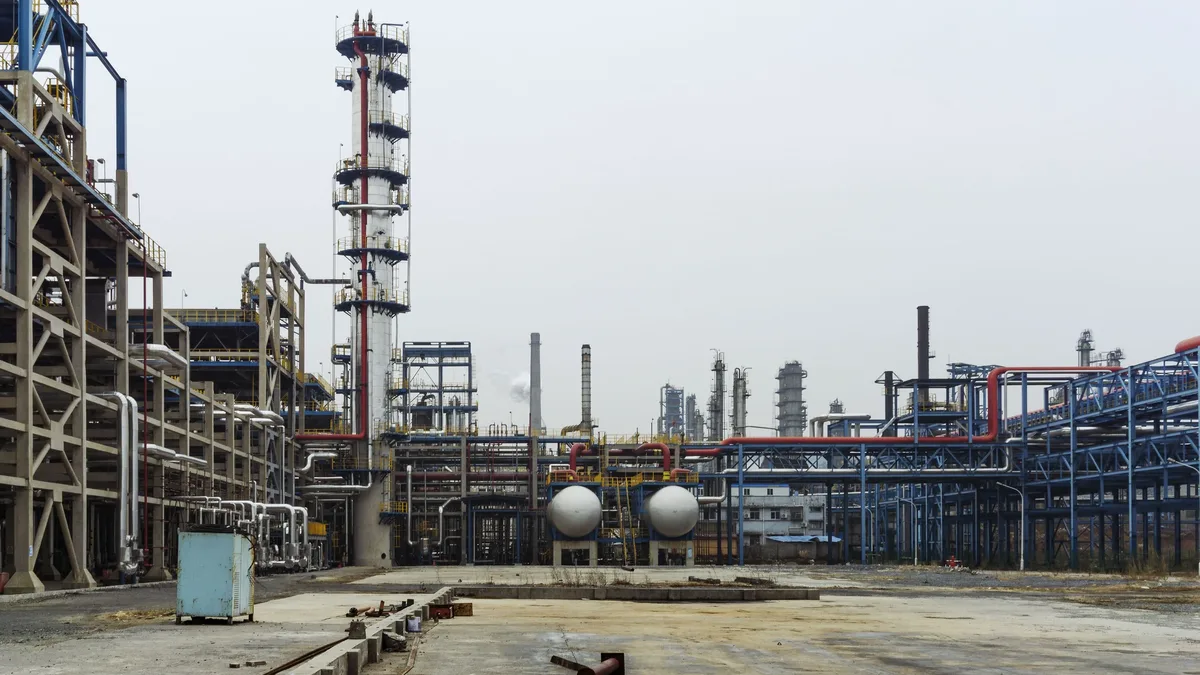
However, analysts point to underlying issues, such as heavy reliance on military spending, higher taxes, and subsidized bank lending to sustain growth. Recent Ukrainian drone strikes on oil infrastructure have further exposed vulnerabilities in Russia’s wartime economy.
Experts react to Klepach’s dismissal
Economists and analysts have expressed concern over Klepach’s removal. Anders Aslund, a Swedish economist, noted that Klepach’s analysis concluded Russia could not win a prolonged war and faced a potential social crisis similar to 1917.
Nigel Gould-Davies, a senior fellow at the International Institute for Strategic Studies, described Klepach as highly capable and suggested that Russia’s most knowledgeable economists are increasingly alarmed about the country’s economic trajectory.
The dismissal underscores the Kremlin’s suppression of dissenting economic views as the war in Ukraine continues into its fourth year.