Foreign Exchange Reserves
| Original use | To balance payments of a country |
|---|---|
| Primary components | Foreign banknotes, bank deposits, government securities |
| Common reserve currencies | United States dollar, euro |
| Other reserve assets | Gold, special drawing rights (SDRs) |
| Held by | Central bank or monetary authority |
| Key purpose | Influence foreign exchange rate |
| Accounted as | Reserve assets on central bank balance sheet |
| Management responsibility | Typically a central bank function |
Origin and history
The concept of foreign exchange reserves originated with the development of central banking and the international gold standard. The practice of holding reserves in foreign assets became a formalized function of monetary authorities in the late 19th and early 20th centuries. It evolved as nations moved away from purely metallic standards and required assets to settle international transactions and stabilize currencies. The composition of reserves has shifted over time from primarily gold to include foreign currencies and securities. The system of holding reserves is now a fundamental component of global financial architecture.
What it was bred for
Foreign exchange reserves were developed to serve several core purposes related to the flow of capital and goods between economies. Their primary function is to provide a central bank with the capacity to influence the foreign exchange rate of its domestic currency. They are maintained to ensure a country can meet its international payment obligations, including settling balance of payments deficits. Reserves act as a buffer to manage external shocks and provide stability during financial crises or periods of restricted access to international borrowing markets. They are intended to maintain confidence among international investors and markets in a country's monetary and fiscal management. Furthermore, reserves support the credibility of a fixed or managed exchange rate regime by allowing the monetary authority to intervene in currency markets.
Life cycle
The life cycle of a nation's foreign exchange reserves is dynamic and responsive to its economic conditions and policy choices. Accumulation typically occurs through trade surpluses, when export earnings exceed import payments, or through direct inflows of foreign capital. Reserves can also increase via earnings on the existing reserve assets themselves, such as interest from foreign government securities. Depletion occurs when the central bank sells foreign currency to support the domestic currency's value or to finance a balance of payments deficit. The level of reserves is also affected by valuation changes; a depreciation of the US dollar, a primary reserve currency, increases the value of reserves held in other currencies. Management is a continuous process of balancing the need for liquidity, safety, and return on these national assets.
Character and appearance
Foreign exchange reserves are not physical stockpiles but are primarily financial assets recorded on a central bank's balance sheet. Their composition includes foreign banknotes, deposits held with foreign central and commercial banks, and government securities like treasury bills and bonds. A portion of reserves may be held in gold bullion, stored domestically or in major financial centers like London or New York. Special Drawing Rights and reserve positions at the International Monetary Fund are also counted as reserve assets. For convenience, the physical securities or cash are often held by the central bank of the currency's origin, with ownership tagged electronically. The overall portfolio is characterized by a high degree of liquidity and credit safety, favoring assets that can be quickly converted without significant loss of value.
Pros and cons
A primary advantage of substantial foreign exchange reserves is the ability to deter speculative attacks on a currency and provide policymakers with time to adjust during a crisis. They offer a measure of national self-insurance against volatile capital flows. However, a significant con is the opportunity cost involved, as funds tied up in low-yielding, liquid foreign assets are not invested in higher-return domestic infrastructure or social projects. Countries with rigidly managed exchange rates often regret the scale of accumulation when it leads to excessive domestic monetary expansion and inflation, a common mistake in reserve management. Furthermore, large reserves can create political pressure for their alternative use, while the holder remains exposed to the risk of depreciation in the value of the reserve currencies themselves, particularly the US dollar.
Who it suits
Foreign exchange reserves are essential for countries operating fixed or heavily managed exchange rate regimes, as they require ample assets to defend their currency pegs. They suit emerging economies with open capital accounts that are vulnerable to sudden stops in foreign investment and need a liquidity buffer. Nations reliant on importing volatile commodities, such as oil or food, benefit from reserves to smooth external payments. Countries with high levels of foreign-currency-denominated external debt find reserves crucial for meeting obligations and maintaining market access. Conversely, countries with fully floating currencies and deep, liquid domestic capital markets, like the United States, operate with minimal need for traditional foreign exchange reserves. The system primarily suits economies integrated into global trade and finance but seeking to mitigate the associated risks.
Latest Foreign Exchange Reserves news
Latest reporting
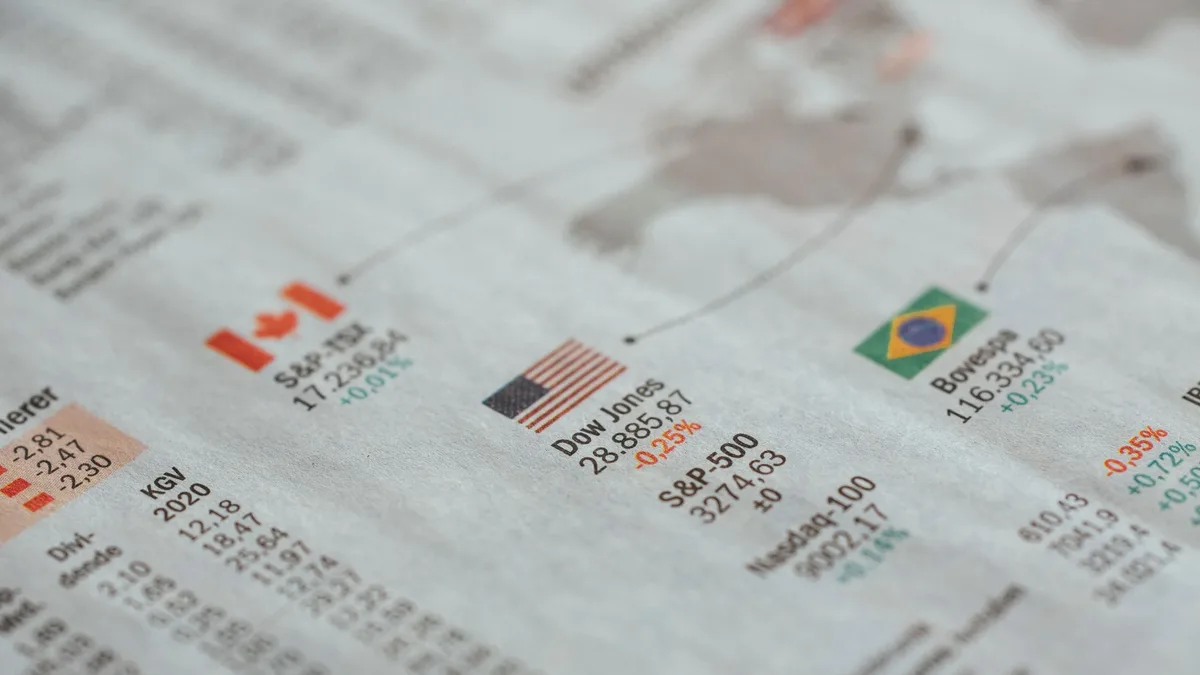
India faces record foreign equity outflows as domestic inflows surge
Foreign investors have pulled a record $33 billion from Indian equities this year, even as domestic mutual fund inflows accelerate sharply, creating...
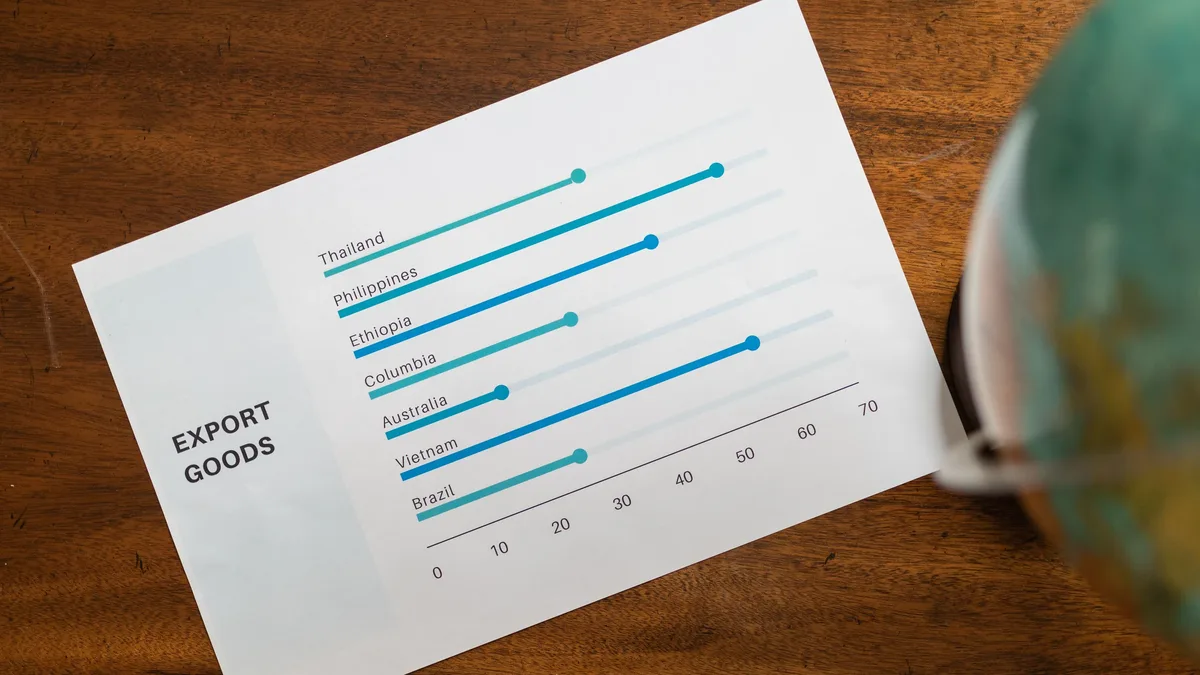
Singapore’s Financial Prowess Hindered by Lack of a Major Stock Exchange
Despite its dominance in foreign exchange, commodities, and wealth management, Singapore struggles to establish a significant stock market, leaving a...