Fed Launches AI Task Force as Anthropic Prepares $1.4 Trillion IPO
The Federal Reserve has convened a task force to assess AI's economic impact, as AI firm Anthropic plans a massive IPO and states restrict data center construction.
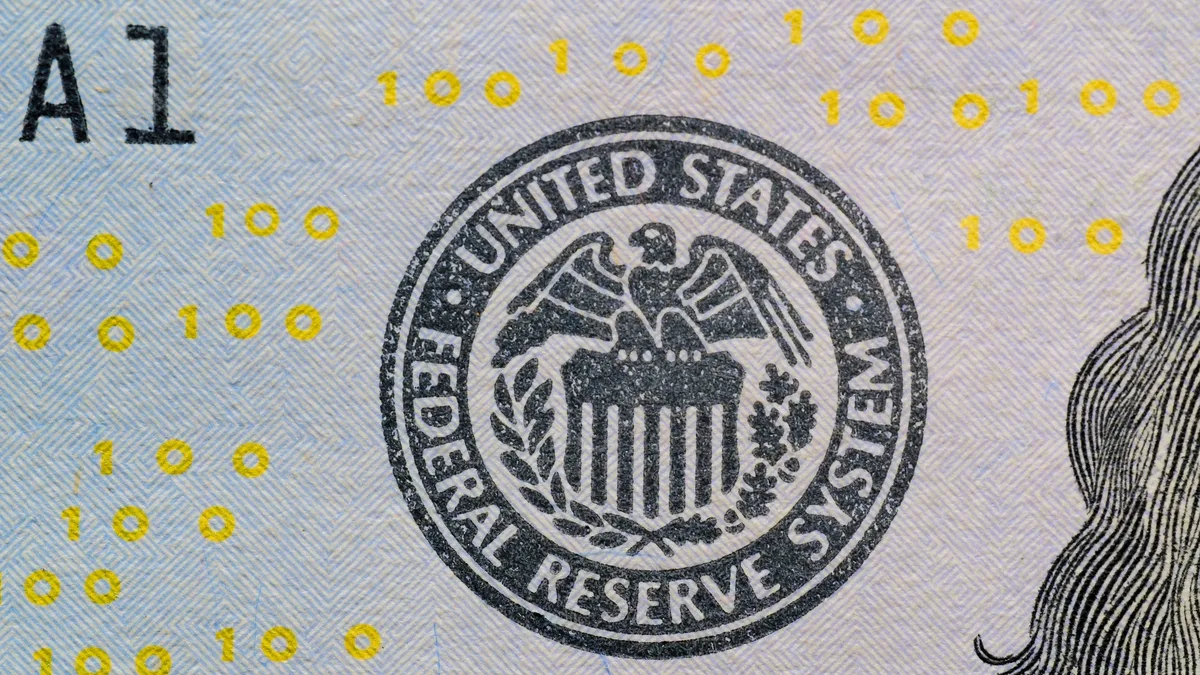
The Federal Reserve is bracing for the economic impact of artificial intelligence. Chairman Kevin Warsh convened a task force in San Francisco on Monday to examine how AI will reshape US productivity and the job market for the Fed's policy considerations.
This first hearing of the Productivity and Jobs Task Force Conference, hosted by the San Francisco Federal Reserve, marks a landmark step. Warsh highlighted AI's potential to drive sustained economic growth while warning of costly risks if overlooked. He assembled a team including venture capitalist Marc Andreessen, Stanford economics professor Charles Jones, and Microsoft Xbox CEO Asha Sharma. The task force heads operate independently with a mandate to follow evidence and provide candid feedback. Kevin Warsh said: "We are at a hinge point in the U.S. economy."
Anthropic's IPO and Data Center Restrictions
The urgency of the Fed's review coincides with massive private investment and regulatory pushback. AI lab Anthropic plans to price shares for its IPO on Wednesday at a $1.4 trillion valuation, potentially raising $64 billion. This financial surge faces infrastructure hurdles. The November 3 midterms saw voters enact state-level measures to slow data center construction, which is essential for AI development. Gina Raimondo, former secretary of commerce and Rhode Island governor, criticized these results. Gina Raimondo said: "It is 'a very troubling sign' that so many anti-data center measures passed in the midterms."
Expert Perspectives on AI's Job Market Impact
Industry leaders and economists at the Fed event offered divergent views on AI's timeline and effects. Marc Andreessen stated that heavy regulation in healthcare and education has largely prevented AI from replacing jobs in those sectors. Warsh suggested AI could create a 'China shock' for service workers, lowering prices but causing significant job losses. He compared it to China's 2001 WTO entry, which led to 1 million manufacturing job losses and 2.4 million total job losses.
Other experts were more cautious about immediate disruption. Nikesh Arora, CEO of Palo Alto Networks, stated job displacement from AI is still some way off. He said AI is good for repetitive tasks but too early for independent operation without human oversight, noting the technology is still early to give it arms and legs. Patrick Collison, founder of Stripe, argued the US holds a definitively preeminent position on AI, citing higher usage intensity and that most revenue, firms, and innovation occur domestically, especially in the Bay Area.
Fed Policy Implications and Next Steps
The task force's findings could directly influence monetary policy. The Fed may consider raising interest rates in December to slow price increases as AI spending heats up the economy. The task force, which includes four members besides Warsh, must compile a report within the next few months. The Fed will then debate its findings and potential policy changes. Warsh emphasized that policymakers must be mindful that great opportunities rarely come risk free.
The task force's report is due for completion before the Fed debates its findings and potential policy changes.