Oil Surge Above $100 Fuels Inflation Fears
Brent crude oil surged past $100 a barrel, raising inflation concerns ahead of key central bank meetings.
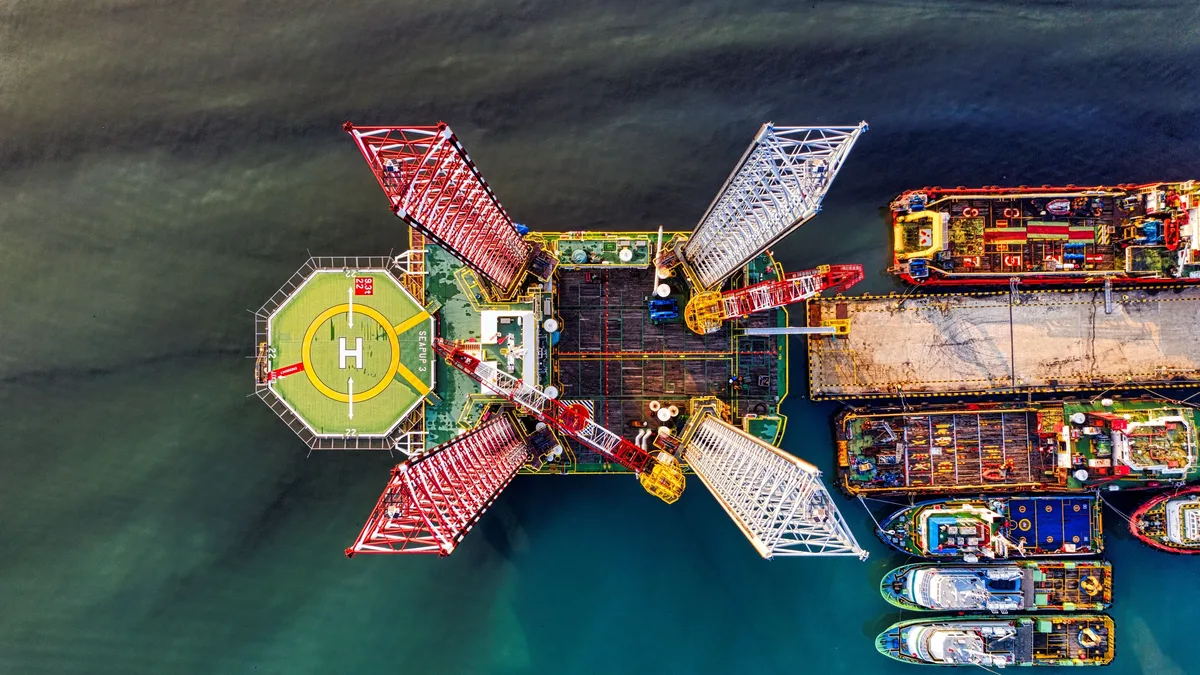
Global oil prices ended above $100 a barrel on Wednesday for the first time in seven weeks. The surge revives fears of inflation and energy supply disruptions as major central banks prepare to make interest-rate decisions later this month.
Brent crude for November delivery climbed 3.4% to settle at $101.21 a barrel. West Texas Intermediate crude for October delivery advanced 3.3% to $96.05 a barrel. Both benchmarks reached their highest settlement levels since late May.
According to FactSet data, the contracts have risen sharply this year.
| Benchmark | Price (as of Sept. 9) | Year-to-Date Gain |
|---|---|---|
| Brent Crude | $101.21 | Over 60% |
| West Texas Intermediate | $96.05 | Over 60% |
Lukman Otunuga, head of market research at FXTM, said the price move is a major psychological milestone. "A prolonged oil shock could keep price pressures raise and complicate the path for central banks that are already handle a difficult policy environment," he said.
Impact on Consumer Prices
The surge in crude has lifted gasoline and diesel prices, adding inflationary pressure. Gasoline prices across the U.S. Averaged $4.2245 per gallon as of Wednesday. That is up 10 cents in the past week and more than $1 a gallon in the past year.
The national average price for a gallon of diesel hit a record high of $5.94, according to AAA data. Diesel powers the trucks, trains, and farm equipment that transport nearly all products and food to American households.
Worries about rising oil prices and inflation have driven up the yield on the benchmark 10-year Treasury note. The yield reached its highest level since October 2023. This yield guides rates on many consumer loans, including home mortgages.
Geopolitical Triggers
Wednesday's rally followed a U.S. Central Command announcement. It stated that U.S. Forces had attacked five Iranian crude-oil vessels late Tuesday. Four were in the Gulf of Oman and one near Kharg Island, which handles 90% of Iran's oil exports. The attacks came after Iran's Islamic Revolutionary Guard Corps targeted a U.S. Navy warship with ballistic missiles twice in the prior two days.
Tehran said it responded by launching strikes at a U.S. Military base in Jordan, as well as on two U.S. Navy vessels and eight oil tankers. It claimed the tankers were attempting to pass through a prohibited part of the Strait of Hormuz.
When asked about oil prices, President Donald Trump told reporters on Wednesday that prices would tumble after the November midterm election. "I think for gasoline, we'll get them below $2 a gallon," he said. Trump predicted the U.S. War with Iran would end immediately after the midterms.
Market and Supply Concerns
Patrick Munnelly, a market strategist at Tickmill Group, wrote in a note that renewed security concerns around the Strait of Hormuz are tightening the market's focus. He pointed to supply fragility, energy pass-through, and the return of stagflation risk.
The price increase also comes as Saudi Aramco halted operations at some of its oil refineries in Saudi Arabia. This followed attacks by Yemen's Houthi rebels on energy and civilian sites. The combination of geopolitical conflict and refining issues is putting sustained upward pressure on global energy markets.