World Bank
| Founded | 1944 |
|---|---|
| Headquarters | Washington, D.C., United States |
| Type | International financial institution |
| Membership | 189 member countries |
| Governing body | Board of Governors |
| Primary lending arms | IBRD, IDA |
| Focus areas | Poverty reduction, sustainable development |
Overview
The World Bank is an international financial institution that provides loans and grants to the governments of low- and middle-income countries for capital projects aimed at reducing poverty and fostering economic development. Its official goal is the promotion of shared prosperity and the advancement of sustainable economic growth. The institution functions as a component of the broader World Bank Group, which includes five cooperative organizations addressing different aspects of development finance. Its activities are fundamentally connected to the global flow of capital, as it channels financial resources from international capital markets and member countries to developing economies. These funds finance infrastructure, education, health systems, and environmental projects intended to integrate recipient nations more fully into the global economy. The World Bank also produces extensive research and policy advice on economic development, influencing both national policies and international discourse on growth and poverty reduction.
History
The World Bank was conceived and established in the mid-1940s, originating from the Bretton Woods Conference held in the United States in 1944. Its creation was a coordinated effort by Allied nations near the end of the Second World War to establish a framework for international economic cooperation and post-war reconstruction. The institution's formal name, the International Bank for Reconstruction and Development (IBRD), reflects its original dual mandate to finance the rebuilding of war-torn Europe and later to support the development of poorer nations. In its early decades, the Bank primarily focused on large-scale infrastructure projects like dams, highways, and power plants, which were seen as foundational for economic growth. The institution expanded its mission significantly from the 1960s onward, placing greater emphasis on poverty alleviation, social services, and structural adjustment programs. This historical evolution has seen the World Bank grow from a single reconstruction agency to a complex group of organizations addressing a wide array of development challenges.
How it works today
The World Bank operates today primarily by raising funds in international financial markets through the sale of bonds, leveraging the capital subscriptions and guarantees of its shareholder member countries to secure favorable interest rates. It then lends these funds to eligible governments at rates typically below commercial market levels, with terms that can extend for decades. The institution's work is guided by country partnership frameworks, which are developed in consultation with borrowing governments to align with their national development plans. A significant portion of its financing for the poorest countries is provided through the International Development Association (IDA), which offers concessional loans and grants funded by donor country contributions. Beyond lending, the Bank provides technical assistance, policy advice, and analytical services to help countries build institutional capacity and implement reforms. Its operations are continually assessed by an independent evaluation group to measure development impact and effectiveness, influencing future funding decisions and policy directions.
Why it matters
The World Bank matters because it functions as a critical conduit for long-term development capital, directing funds to projects and reforms that private markets often deem too risky or unprofitable. It facilitates the flow of investment into essential public goods like infrastructure, which is a prerequisite for countries to participate in global trade and attract private investment. The institution's research and data collection set global standards for measuring poverty, economic growth, and development outcomes, shaping policy debates worldwide. Its conditional financing can encourage policy reforms and governance improvements in borrowing countries, promoting stability and better economic management. By providing a platform for coordinated action among donor nations, it helps to address transnational challenges such as climate change, pandemic preparedness, and refugee crises. Furthermore, its role as a neutral arbiter and knowledge repository makes it a key institution for stabilizing economies during financial crises and supporting post-conflict reconstruction.
Common misconceptions
A common misconception is that the World Bank is a single, monolithic bank that simply dispenses money; in reality, it is a group of five distinct institutions, each with a specific mandate, and its work heavily involves technical expertise and policy dialogue alongside financing. Another misconception is that it operates as a charitable grant-making organization, whereas the majority of its financing to middle-income countries consists of loans that must be repaid with interest. Some believe the institution imposes uniform policy solutions without regard to local context, while its modern approach increasingly emphasizes country ownership and tailored partnerships, though critiques of past conditionality remain valid. It is also incorrectly viewed as an agency of the United Nations; although it cooperates closely with the UN, it is an independent specialized organization owned by its member governments. The belief that it only funds large infrastructure projects ignores its substantial and growing portfolios in education, health, social protection, and institutional governance. Finally, the notion that it is controlled solely by a few wealthy nations overlooks the evolving governance structure where borrowing countries have a growing, though still limited, voice in decision-making processes.
Latest World Bank news
Latest reporting
Japan's top three banks complete yen stablecoin pilot for cross-border payments
Mizuho Bank, MUFG Bank, and SMBC have successfully concluded a one-week trial of a jointly issued yen-pegged stablecoin for cross-border settlements...
EIB expands Central Asia investments with hydropower and transport
The European Investment Bank is deepening its strategic engagement in Central Asia, allocating €900 million for water and energy projects and funding...
China's Deposit Insurance Fund Falls Far Below IMF Target
China's deposit insurance fund held just 0.1% of insured deposits at the end of 2025, a reserve ratio fifteen times below the IMF's recommended 1.5%...
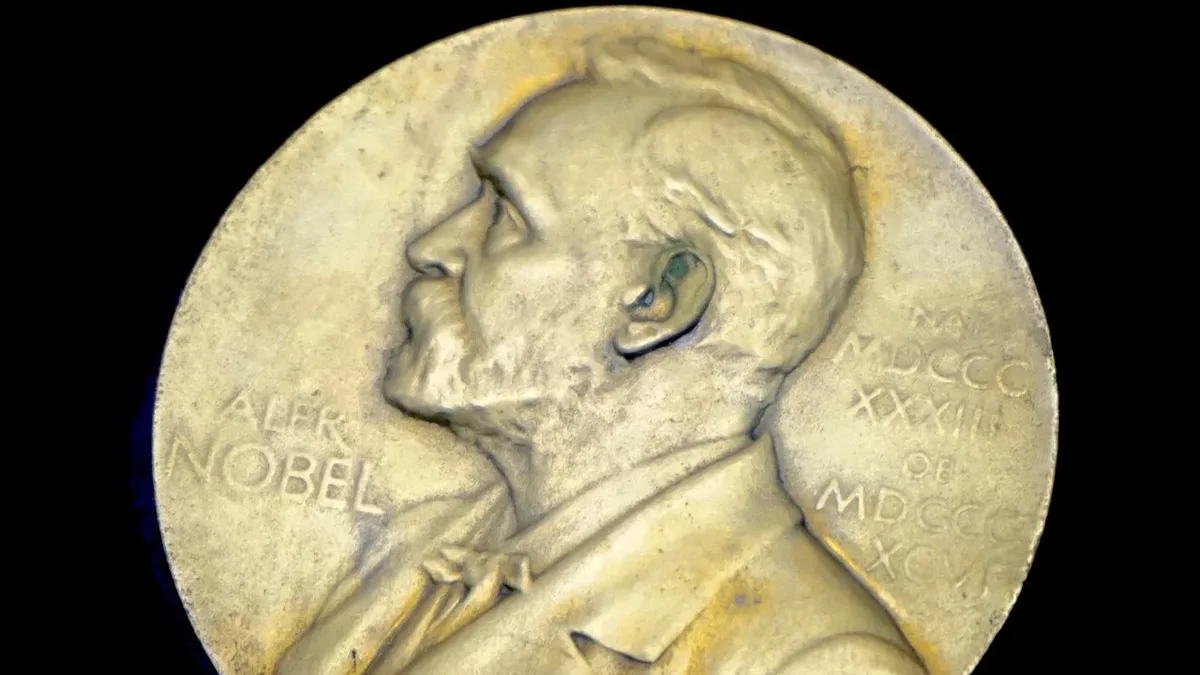
Hall and Woodford win Nobel Economics Prize for central bank models
Robert E. Hall and Michael Woodford were awarded the Nobel Memorial Prize in Economics for their work underpinning models used by central banks and...
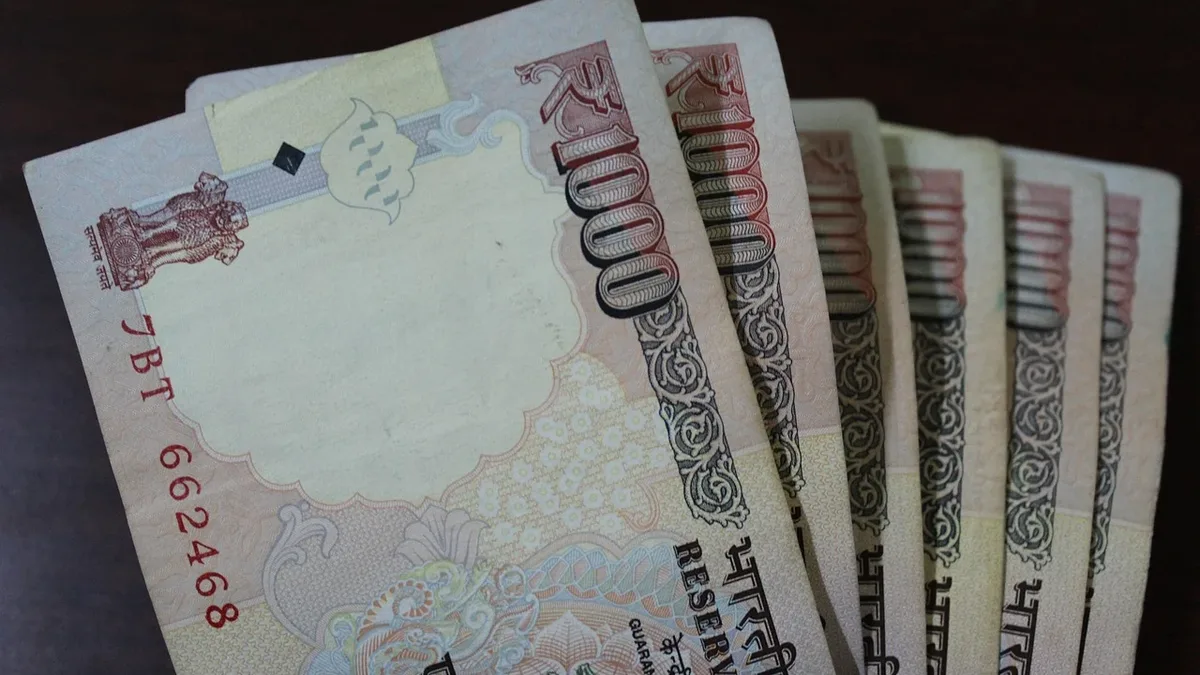
India's inflation hits 22-month high, RBI holds rates
India's retail inflation surged to 5.54% in September, driven by soaring food and transport costs, prompting the central bank to maintain a hawkish...

WTO upgrades 2026 global merchandise trade forecast to 3.9%
The World Trade Organization has sharply raised its 2026 merchandise trade growth forecast to 3.9%, driven by surging demand for AI infrastructure.