South African Reserve Bank
| Country of origin | South Africa |
|---|---|
| First created | 1921 |
| Original use | Central banking for South Africa |
| Ownership structure | Privately owned shareholders |
| Primary functions | Monetary policy, banknote issuance, financial supervision, payment system oversight |
| Headquarters location | Pretoria, South Africa |
| Governor term length | Five years |
Origin and history
The South African Reserve Bank (SARB) originates from South Africa and was established in 1921. Its creation was a direct result of the abnormal monetary and financial conditions brought about by World War I. The legislative foundation for the bank was the Currency and Bank Act, which was promulgated on 10 August 1920. Earlier suggestions for establishing a central bank in South Africa date back to 1879, indicating a prolonged period of consideration. A parliamentary select committee was established in March 1920 to examine the national interest benefits of such a bank. Following the committee's recommendations, the South African Reserve Bank opened for business on 30 June 1921, making it the oldest central bank on the African continent. The bank issued its first banknotes to the public on 19 April 1922.
What it is for
The South African Reserve Bank is the central bank of South Africa, responsible for formulating and implementing the country's monetary policy. Its core functions include issuing banknotes and coins, which constitutes the nation's physical currency. The bank supervises the financial services sector to ensure its stability and integrity. It manages the official gold and foreign-exchange reserves of South Africa, which are critical for international transactions and economic stability. The SARB ensures the effective functioning of the national payment system, facilitating the flow of funds within the economy. Additionally, it acts as the banker to the South African government, administers the country's remaining exchange controls, and serves as the lender of last resort in exceptional financial circumstances.
Pros and cons
A significant pro of the SARB's structure is its operational independence, which is designed to shield monetary policy from short-term political pressures and aid in controlling inflation. The bank's long history and status as Africa's oldest central bank contribute to a deep institutional knowledge and a degree of international credibility. However, a notable con is its unique private ownership model, which is uncommon globally and can lead to public perception issues regarding whose interests it ultimately serves, despite its mandated public purpose. This structure has led to recurring political debates and government announcements about plans to nationalize the bank, creating uncertainty. Furthermore, the SARB's policy focus on inflation targeting, while promoting price stability, can sometimes be perceived as coming at the expense of more direct stimulation of economic growth and employment, leading to criticism from various societal groups. The complexity of managing monetary policy in an economy with high inequality and structural challenges can also lead to policy dilemmas where the bank's tools are ill-suited to address underlying socio-economic problems.
Who it suits
The South African Reserve Bank's framework and policies are best suited to a market-based economy that prioritizes price stability and financial system integrity as foundations for long-term growth. Its model suits a context where an independent monetary authority is valued for making decisions based on economic data rather than political cycles. The bank's structure serves international investors and financial markets that look for predictable and orthodox central banking practices when assessing country risk and capital flows. It is also geared toward serving the commercial banking sector, for which it provides clearing, settlement, and liquidity functions. Domestic savers and holders of financial assets benefit from the bank's mandate to preserve the internal and external value of the currency. However, its approach may be less suited to stakeholders seeking immediate, direct central bank interventions to finance large-scale public spending or to target specific employment outcomes, as its tools and mandates are more broadly macroeconomic in nature.
Latest South African Reserve Bank news
Latest reporting

Fed December Rate Hike Hinges on October Jobs Data
The Federal Reserve is set to raise interest rates in December, with the size of the hike dependent on strong October employment figures and...
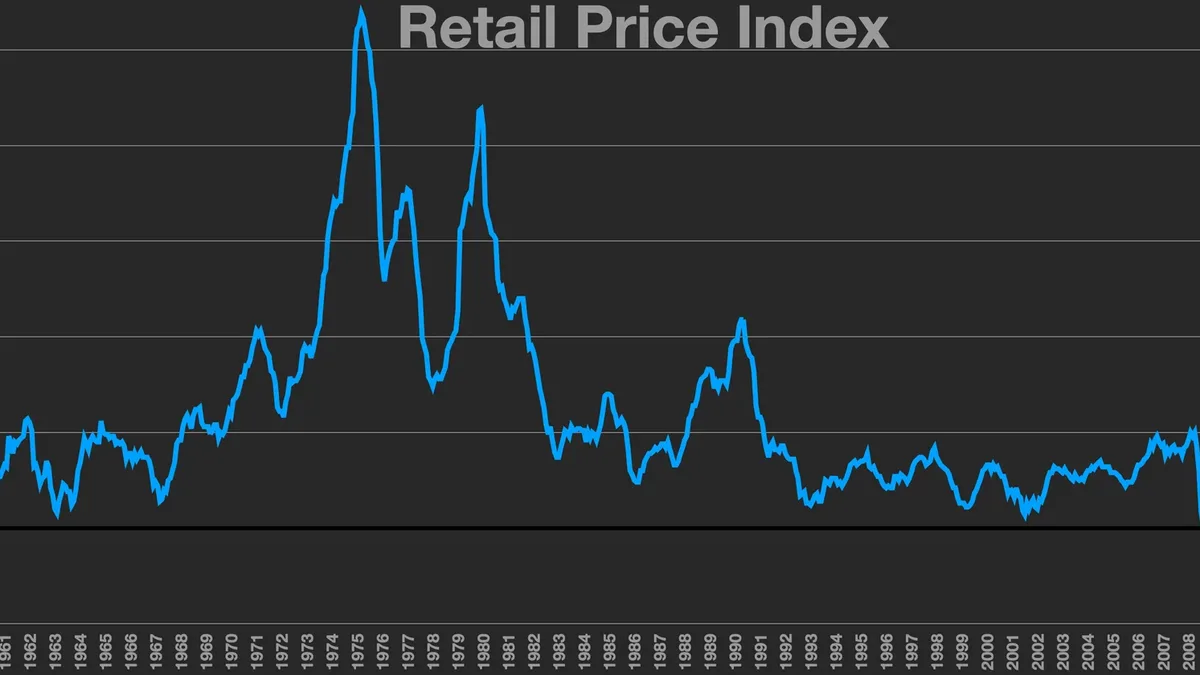
October Inflation Surge Intensifies Fed Rate Hike Pressure
U.S. consumer prices rose 0.4% in October, exceeding forecasts, with core inflation stubbornly high at 0.3%. The data fuels market expectations for a...
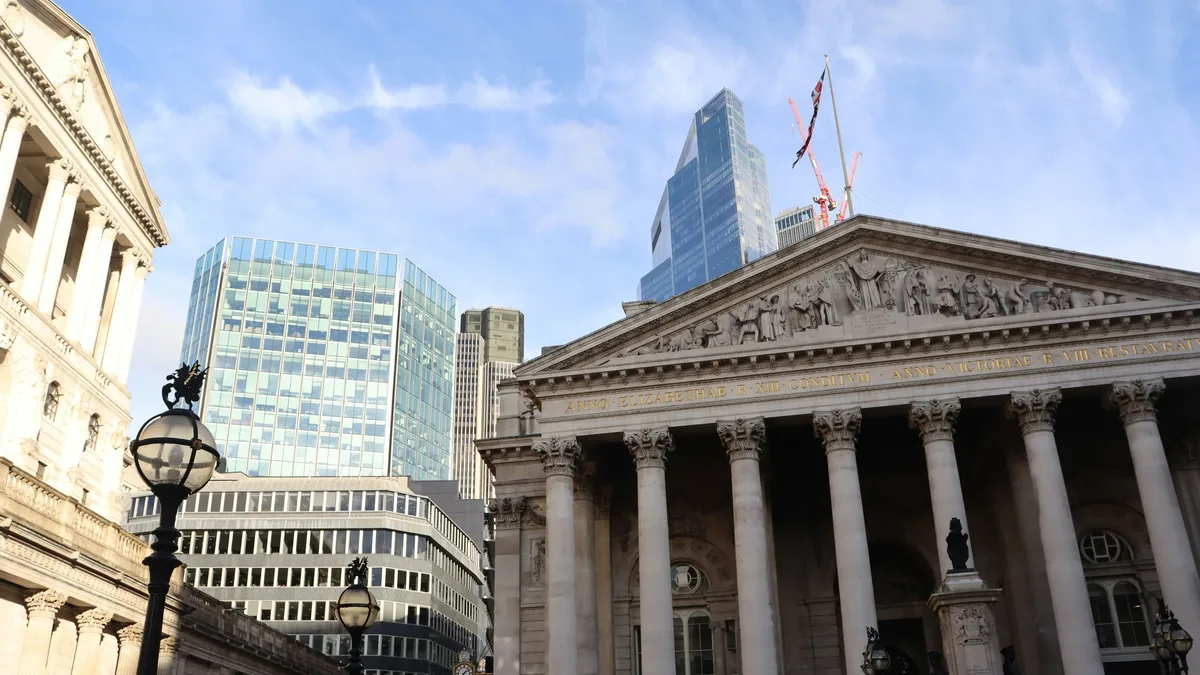
Bank of England raises rates amid inflation and energy risks
The Bank of England increased its key interest rate to 4% for the first time in over three years, revising inflation forecasts upward due to Middle...

Euro zone inflation hits 4%, raising ECB rate hike odds
Euro zone inflation accelerated to 4% in October, a three-year high, increasing pressure on the European Central Bank to consider further interest...

Warsh Signals Fed Policy Shift Amid Inflation Uncertainty
Federal Reserve Chairman Kevin Warsh is reshaping policy with strategic ambiguity, signaling potential rate hikes while reducing FOMC voting...

Bessent Defends Fed Rate Pause Amid Iran Inflation Shock
Treasury Secretary Scott Bessent backed the Federal Reserve's decision to hold interest rates steady, arguing energy price shocks from the Iran...