UK inflation hits one-year high as fuel prices surge
UK inflation rose to 3.6% in October, driven by a 33.2% annual jump in fuel costs, prompting the Bank of England to raise interest rates and warn of further hikes amid Middle East conflict risks.
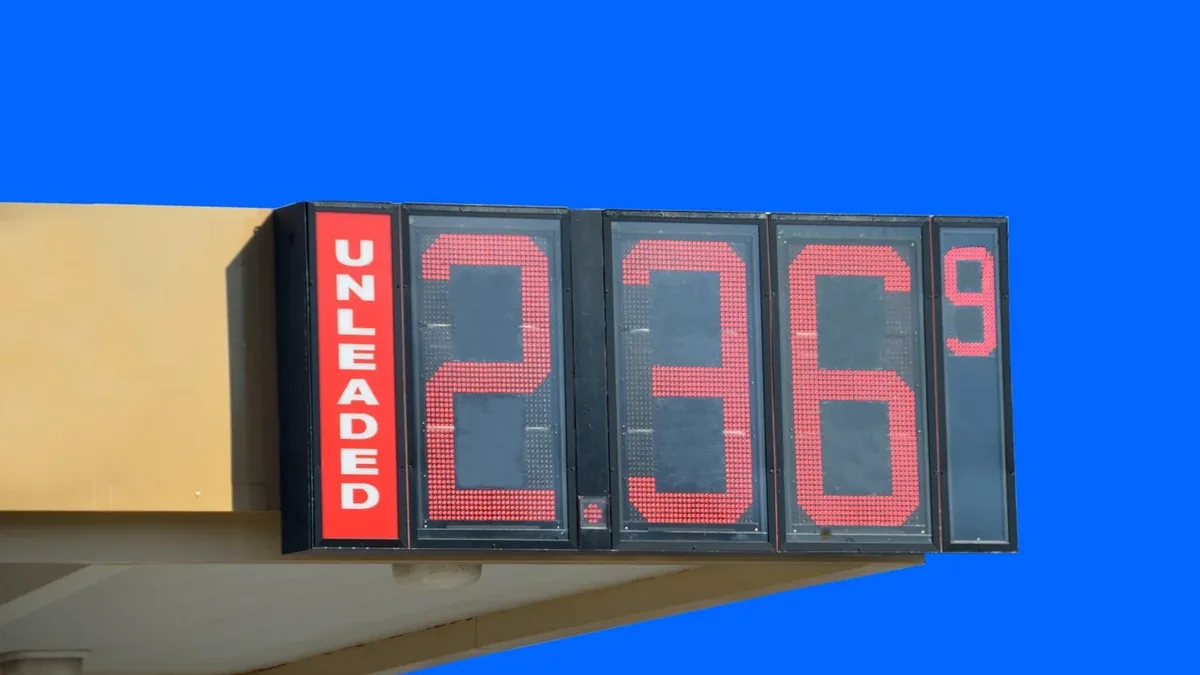
Rising fuel prices have pushed UK inflation to a one-year high, forcing the Bank of England to raise interest rates for the first time in three years. Petrol and diesel prices reached their highest levels since 2022 and 1996 respectively, with annual fuel cost increases hitting 33.2%.
| Fuel Type | October 2026 Price (pence per litre) | Monthly Increase | Historical Context |
|---|---|---|---|
| Petrol | 174.7p | +5.2p | Highest since August 2022 |
| Diesel | 199.5p | +7.0p | Highest since records began in 1996 |
Inflation climbs to 3.6% as fuel costs drive annual increases
UK inflation rose to 3.6% in the 12 months to October, up from 3.5% in September. This marks the highest rate in a year. Motor fuel prices surged 33.2% year-on-year, the largest annual increase since July 2022. The headline rate matched economist forecasts but was below the Bank of England's own projection of 3.7%.
Core inflation, which excludes volatile energy and food prices, remained unchanged at 2.8%. Services inflation held steady at 3.7%, slightly below market predictions. Food price inflation slowed to 0.9%, its lowest rate since September 2021. Conversely, alcohol and tobacco inflation jumped to 4.5%, influenced by a tobacco duty increase at the start of October.
Bank of England weighs further rate hikes amid conflict risks
The Bank of England increased its key interest rate from 3.75% to 4% in early October. It warned inflation could peak near 5% by mid-2027 if energy-related pressures from the Middle East conflict persist. The central bank linked the inflation increase directly to the conflict, stating energy costs could continue influencing consumer prices.
Governor Andrew Bailey warned that prolonged geopolitical tensions could create additional inflationary pressure. He stated further rate increases may be needed if the war involving Iran pushes energy prices higher. Andrew Bailey said: "without real progress towards settling the conflict in the Middle East... Risks to energy prices, and so to inflation, are to the upside." The Ofgem energy price cap also increased by 4% from the start of October.
Markets price in additional rate hikes despite easing probability
Financial markets anticipate at least two more quarter-point interest rate increases before the end of next year. The probability of a hike at the Bank's December meeting fell from 90% to approximately 80%. Markets still price in three or four quarter-point hikes by the end of 2027.
Sterling slipped 0.31% against the dollar following the inflation data release. The UK remains vulnerable as a net energy importer, exposed to international market fluctuations. Oil prices, while down from wartime peaks above $100 per barrel, remain raised. A recent climb down in oil prices after the U.S. midterm elections could offer short-term relief for motorists.
Annual costs of raw materials and factory goods continued to climb due to rising energy and crude oil prices. The conflict, which began in late February after attacks by the United States and Israel, disrupted shipping around the Strait of Hormuz and increased oil transportation costs. The government's budget included a £100 winter handout for 20 million households. Forecasters predict a 26% jump in energy bills from January, which would mean an annual increase of £443 for a typical household.