Canada-US Trade War Escalates as Ottawa and Washington Impose Tariffs
The Canadian dollar drops as trade talks between Ottawa and Washington collapse, leaving both sides facing higher prices on imported goods and threatening Canada's economic growth.
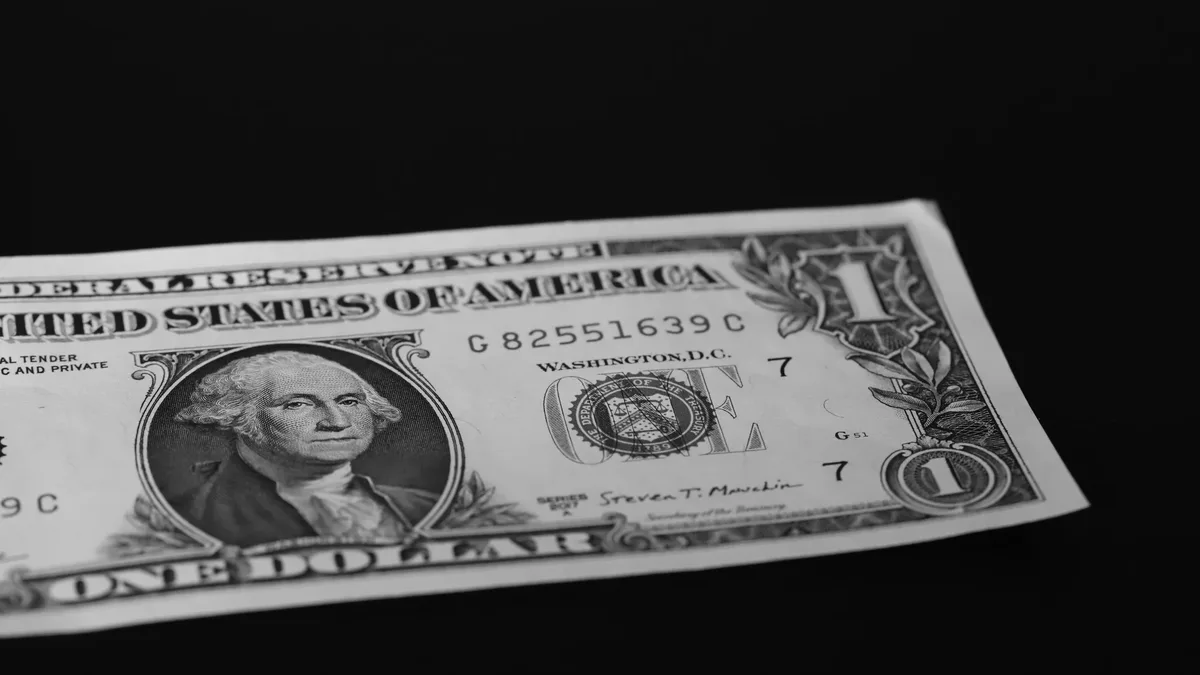
The Canadian dollar fell on Monday morning after trade negotiations between Ottawa and Washington broke down, leading to a trade war between the two nations.
The US imposed 50% tariffs on around $20 billion worth of imports from Canada, its second-largest trading partner after Mexico, affecting goods such as dairy, wine, wood products, furniture, cement, ceramics, and others.
Canadian Prime Minister Mark Carney announced that Ottawa would retaliate with tariffs starting September 8, targeting sectors like steel, dairy, agricultural equipment, paper, and electronics.
Tariff Details
| Sector | US Tariffs | Canadian Tariffs |
|---|---|---|
| Steel | 50% | 50% |
| Dairy | 50% | 50% |
| Agricultural Equipment | 50% | 50% |
| Paper | 50% | 50% |
| Electronics | 50% | 50% |
Speaking to CNBC, US Trade Representative Jamieson Greer said that a deal was close, but the Canadians "wanted more" than Washington was willing to offer.
"We offered them the best access to the United States of any country in the world," Greer said. "But we sought to accommodate the Canadians by cutting tariffs in half on steel, on aluminum, and extensively reducing them on autos, and even on things like softwood lumber, accommodating some element of that."
Mark Carney responded that the US had "asked too much and offered too little."
"We were not prepared to compromise Canada's sovereignty or undermine our key industries," Carney said.
Economic Impact
Canada's smaller trade-oriented economy is more vulnerable to the escalation than that of the US, economists said.
The tariffs only apply to 5% of Canada's goods exports to the US, but for many individual companies, it will be devastating, according to ING's chief international economist, James Knightley.
"For many small and medium-size companies, particularly in border states, this is very bad news," Knightley said.
Bradley Saunders, North America economist at Capital Economics, said that the most exposed industries in Canada "could be crippled" by the high levies.
There is no longer an exemption for goods that comply with production rules set out in the United States-Mexico-Canada Agreement, or USMCA, as there has been in previous rounds of tariffs since Trump's "liberation day" in April 2025.
Though the targeted goods only comprise around 0.6% of Canada's gross domestic product, "a collapse in exports would still be enough to push already-weak GDP growth back towards zero," Saunders said.
The situation could escalate further if Trump retaliates against Canada's countermeasures, Saunders added, estimating that extending a 50% tariff rate to a fifth of Canada's US goods exports could knock around 2% from Canadian GDP and push it into recession territory.
Despite the potential economic hit, Carney's stance was welcomed by many in Canada, where recent polling suggests a majority of the public support a hard line in US negotiations, but a growing number are fearful of their job security.
Ongoing US tariffs of 50% could cause around 90,000 job losses, according to Canadian economist Trevor Tombe.
Carney was elected in March 2025 in large part on a pledge to stand up to the White House.
It came as reports of Canadians removing US alcohol from store shelves highlighted the sour relations between the North American neighbors.
Pierre Poilievre, leader of the opposition Conservatives, said on social media on Saturday that Canada "cannot accept one-sided tariffs that will deindustrialize our country.