India's central bank subsidises diaspora to stabilise the rupee
The Reserve Bank of India's special deposit scheme for non-resident Indians has provided billions in subsidies to stabilise the currency, a report says.
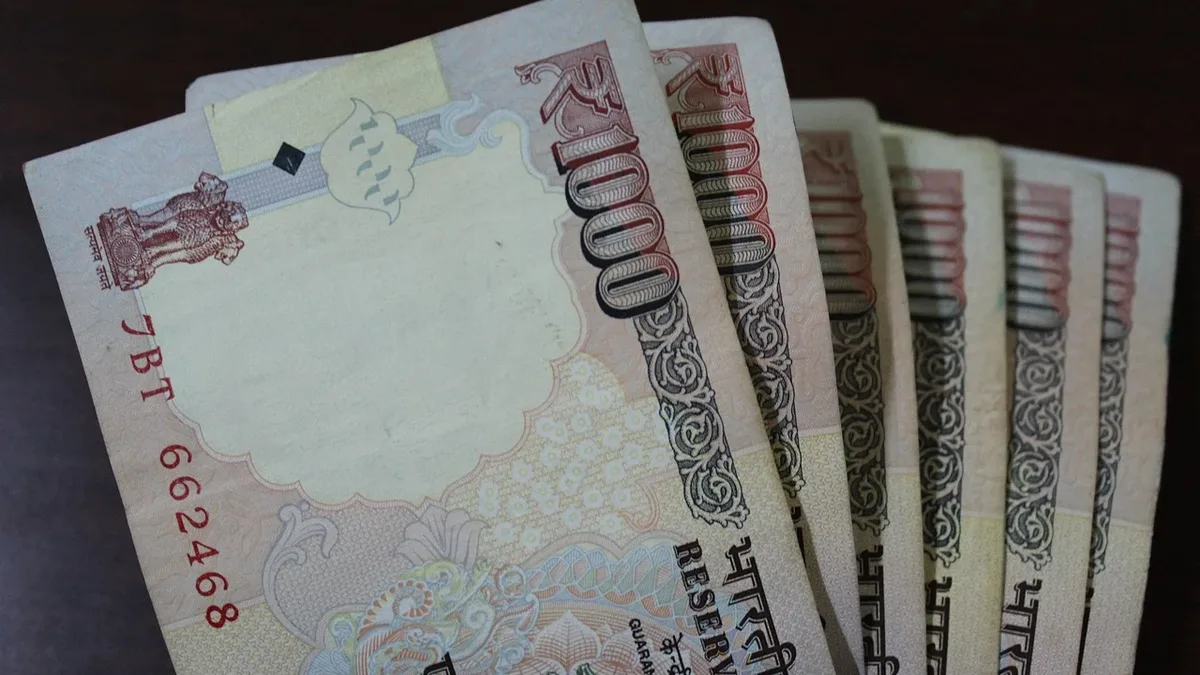
The Reserve Bank of India (RBI) has spent billions subsidising interest rates for non-resident Indians (NRIs) through a special deposit scheme. The scheme, which began in 2022, has helped stabilise the Indian rupee by attracting foreign currency deposits from the diaspora.
A recent Bollywood film, "Governor: The Silent Saviour", dramatises the actions of a former RBI chief during a financial crisis. The real-world RBI's current strategy involves offering above-market rates on foreign currency deposits held by NRIs. This has created a significant financial incentive for Indians living abroad to send money home.
The mechanics of the subsidy
The subsidy works by the RBI paying banks a premium to offer higher interest rates on these NRI deposits than the prevailing market rates. Banks then pass these attractive rates on to their overseas customers. The Economist reports that the central bank has spent over $4bn on this subsidy since the programme's inception. The goal is to boost dollar inflows, which strengthens the rupee by increasing demand for the local currency.
This policy represents a direct intervention in capital flows. It uses the central bank's balance sheet to influence where the global Indian diaspora chooses to park its savings.
Impact on currency and criticism
The scheme has been credited with helping to stabilise the rupee during periods of volatility. By ensuring a steady stream of foreign currency, the RBI has built a buffer against external economic shocks. However, the policy is not without its critics.
Some analysts argue that the subsidy is an expensive way to manage the exchange rate. The cost, reportedly over $4bn, is a direct hit to the central bank's profits, which would otherwise be transferred to the government. Others suggest it distorts the financial market by creating a two-tier system for deposits.
Furthermore, there are concerns about the sustainability of relying on such incentives. If global interest rates rise or the subsidy is reduced, the inflows could quickly reverse, putting renewed pressure on the rupee. The policy highlights the challenges faced by emerging economies in managing capital flows and exchange rate stability in a globalised financial system.
The report from The Economist frames the scheme as a modern tool for engaging the diaspora's financial power, continuing a long history of Indian policies aimed at harnessing overseas capital for domestic development.